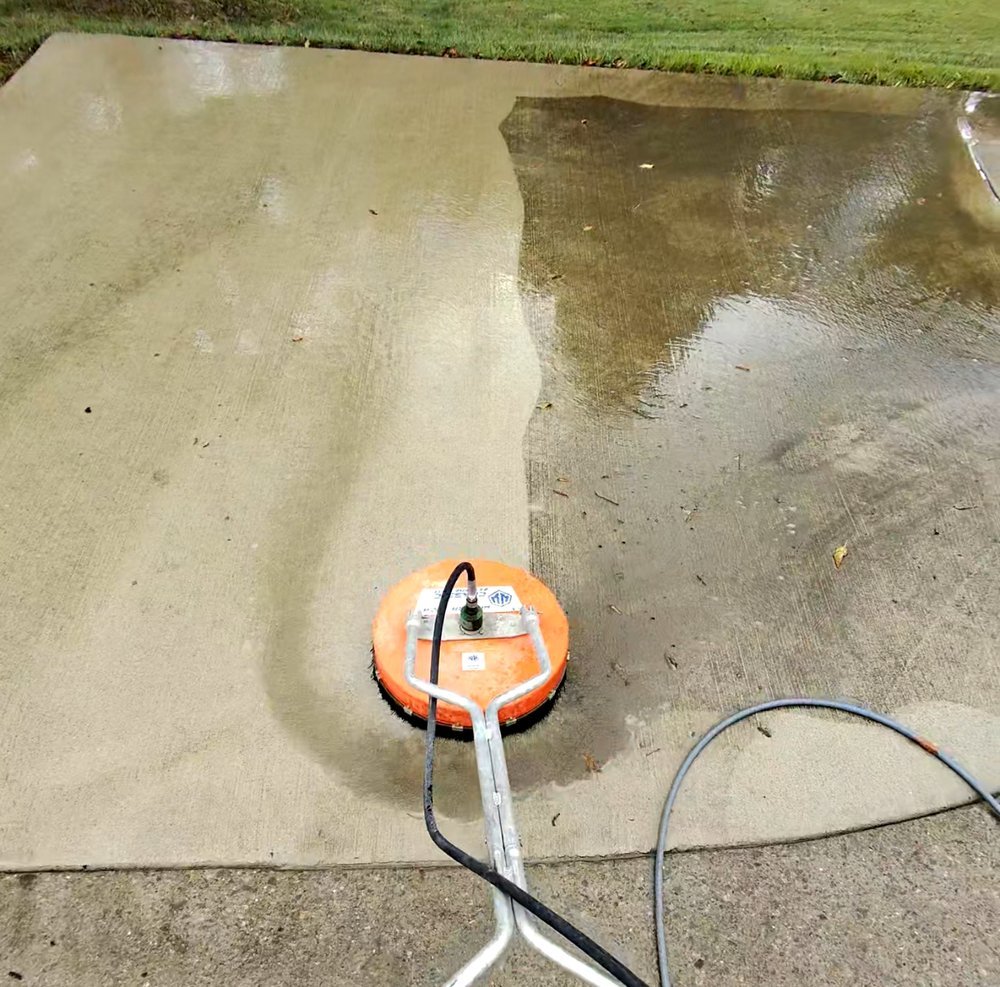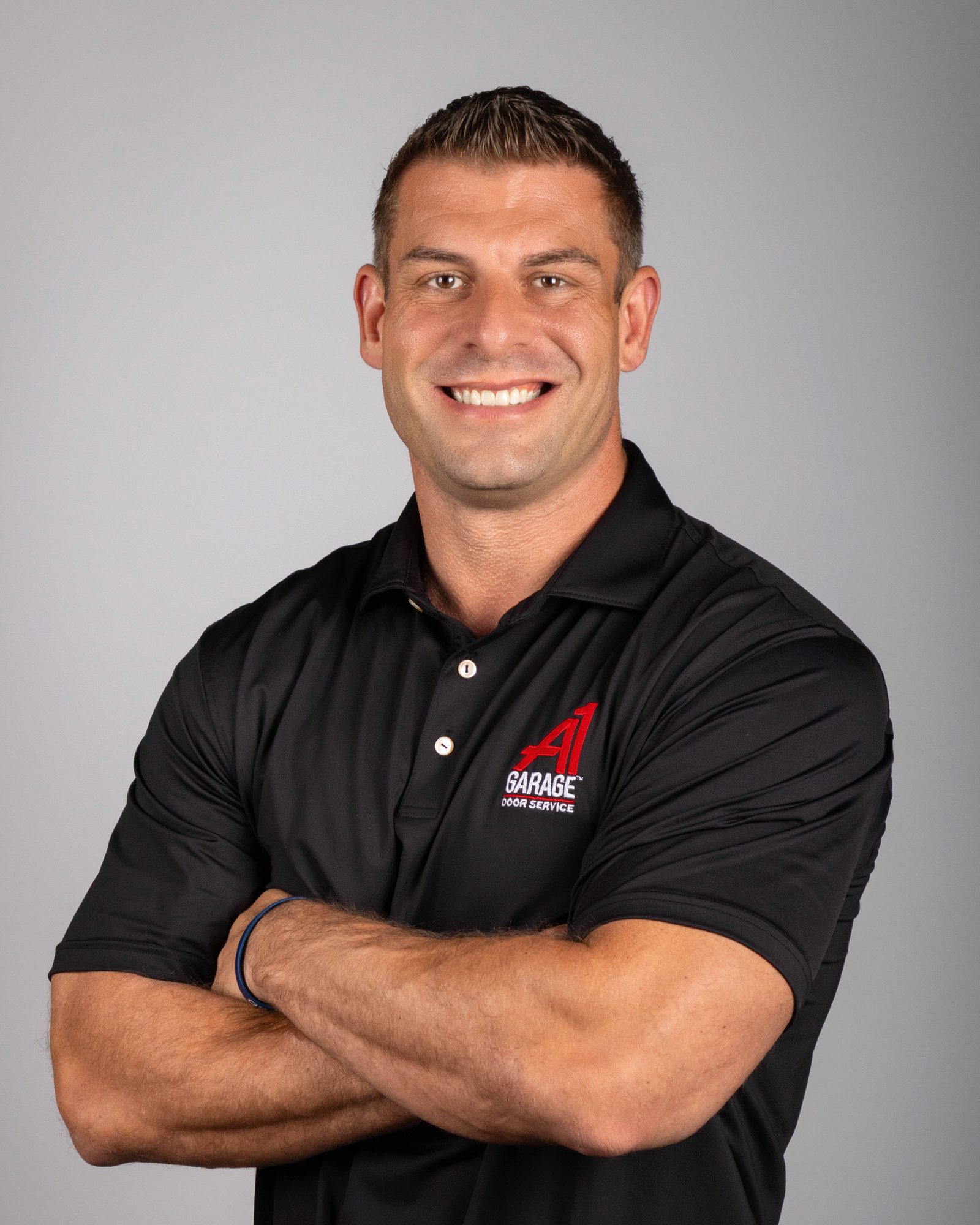
Tommy Mello started A1 Garage Door Service painting doors for $100 each
Tommy Mello learned garage doors by painting them on weekends in Phoenix, then built A1 on manuals, a training center and a share of the company for technicians.
Phoenix, AZ
Tommy Mello learned garage doors by painting them on weekends in Phoenix, then built A1 on manuals, a training center and a share of the company for technicians.
Phoenix, AZ
A Nashville plumber who once chased builders for payment built Hiller into a 17-location home-service company with strict rules for every truck and a school for his own technicians.
Nashville, TN
A Las Vegas air conditioning technician who learned the trade from his father bought a Phoenix cooling company founded in 1939 and built it into an HVAC and plumbing business in four states.
Las Vegas, NV
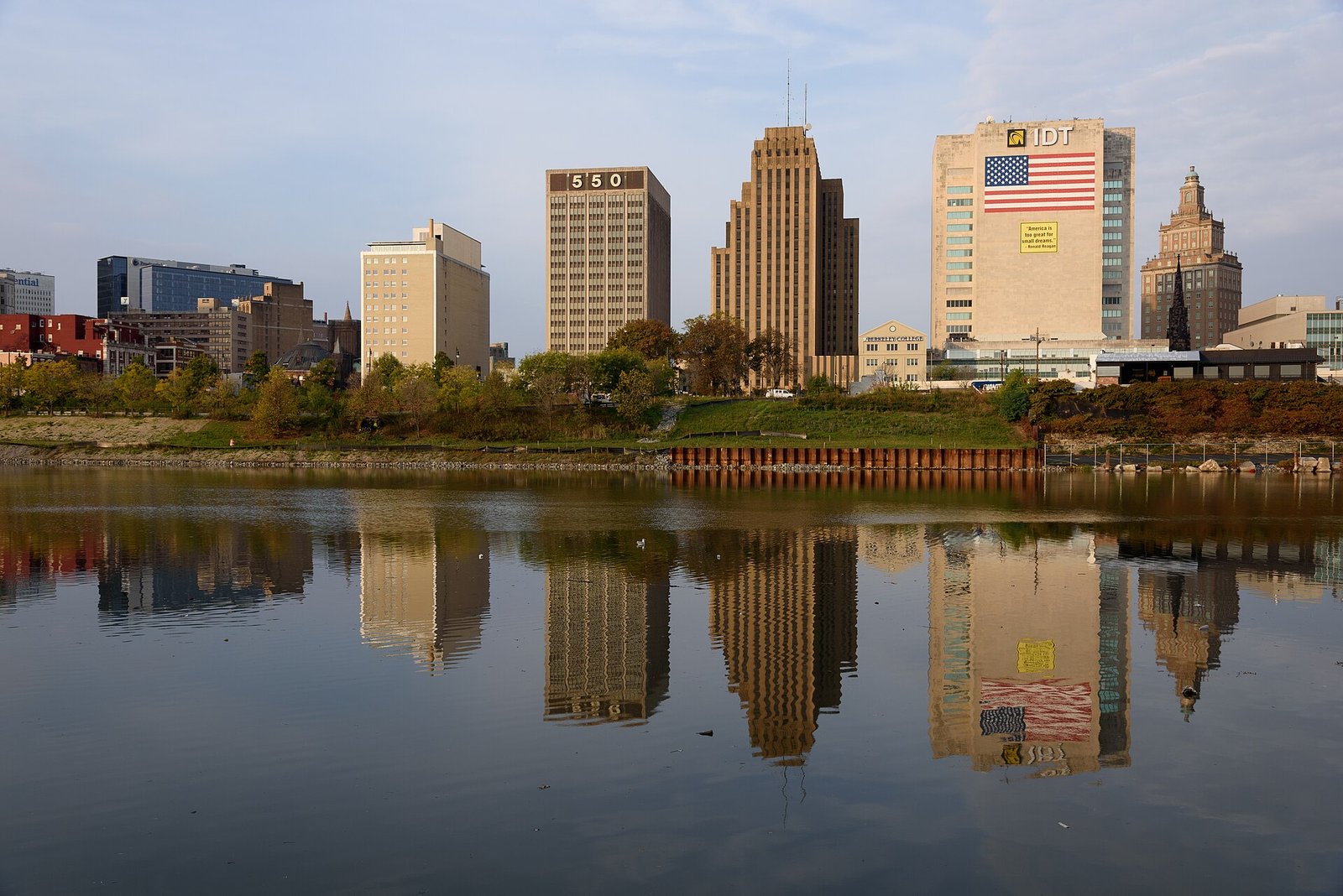
Years on school and hospital jobs and some college electronics gave Javier Santiago an early read on inverter equipment. His Newark company still treats a heat pump sale as a lesson first.
Newark, NJ
A quarter of Purifico’s work is workforce training, where students from under-resourced neighborhoods learn to clean on jobs paid for with a nonprofit’s grant money.
Birmingham, AL
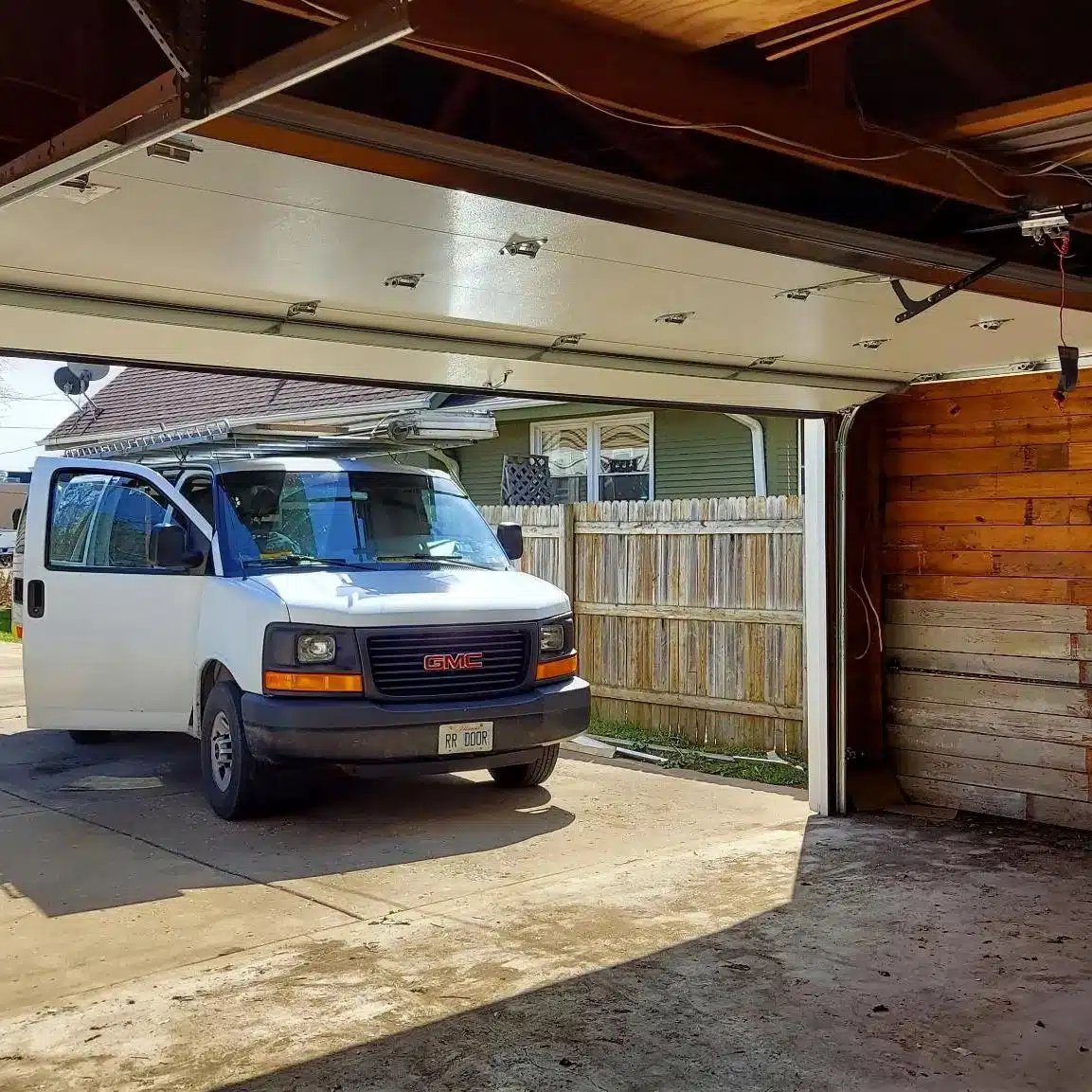
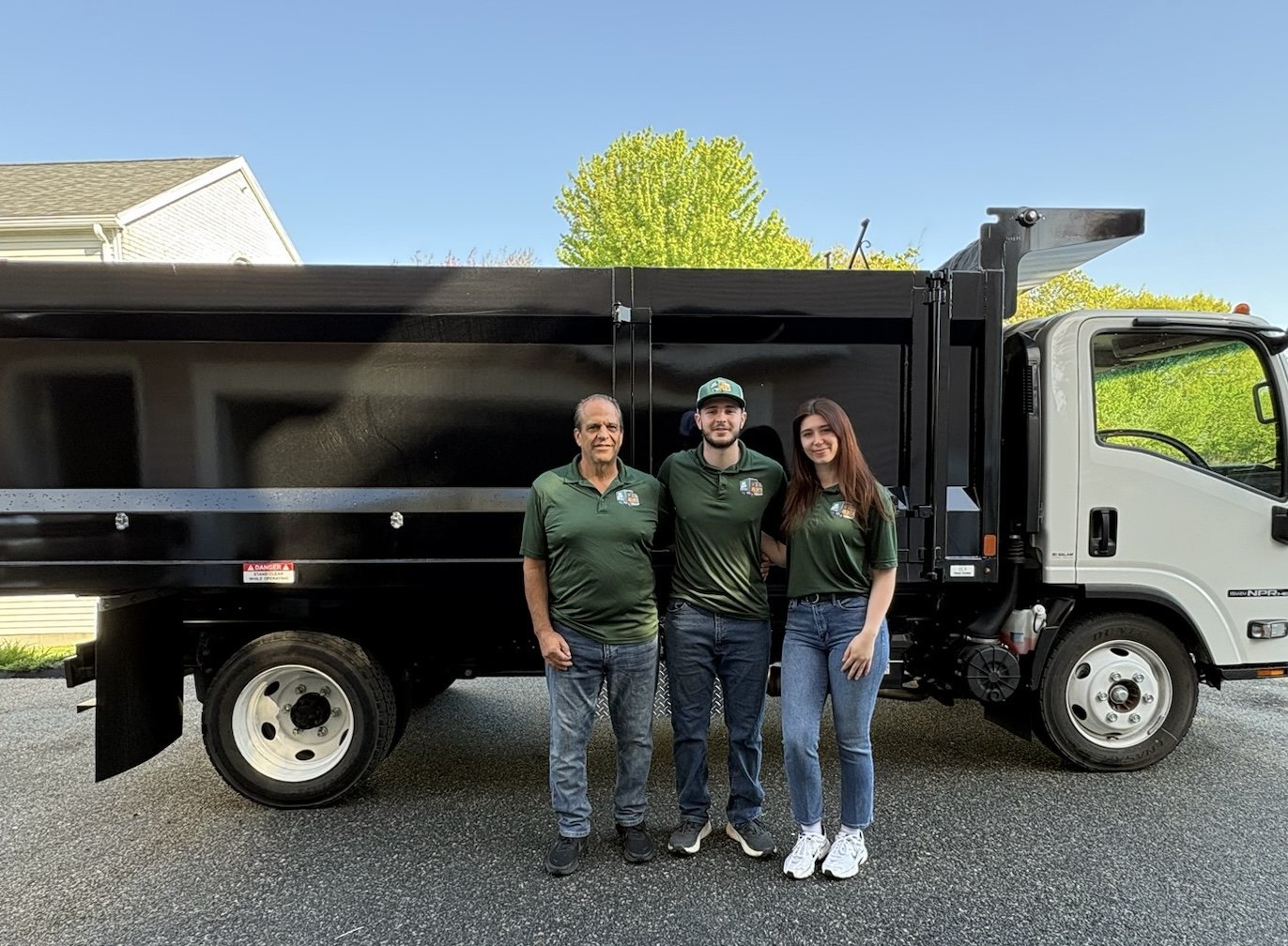
The Rockton garage door owner sizes up any contractor at his house by the truck and the first words, and he trains his crew to pass that test.
Rockton, IL
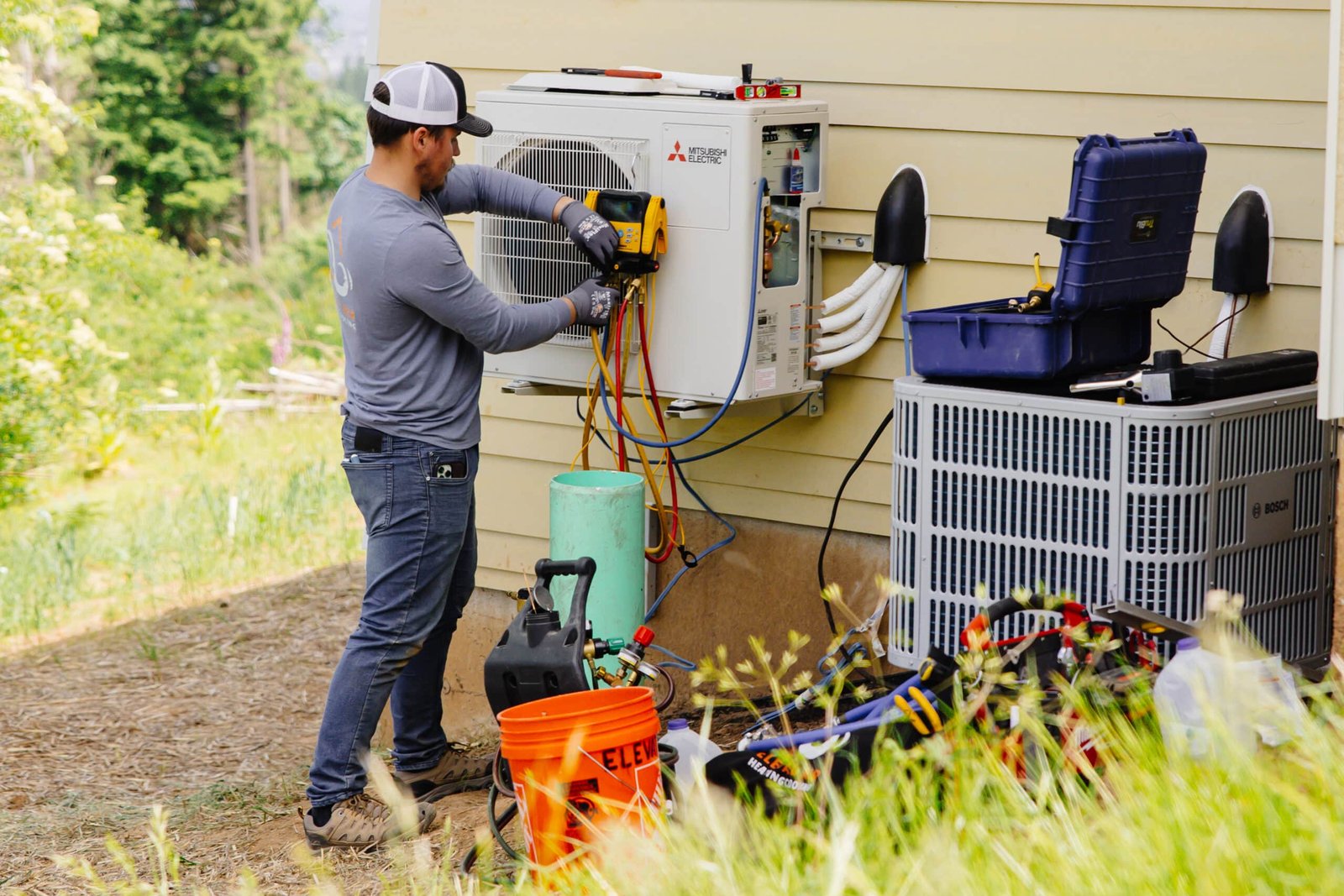
Damien Chernishov learned HVAC on crews that skipped work customers paid for, so at his Silverton, Oregon, company even unwritten promises get kept.
Silverton, OR
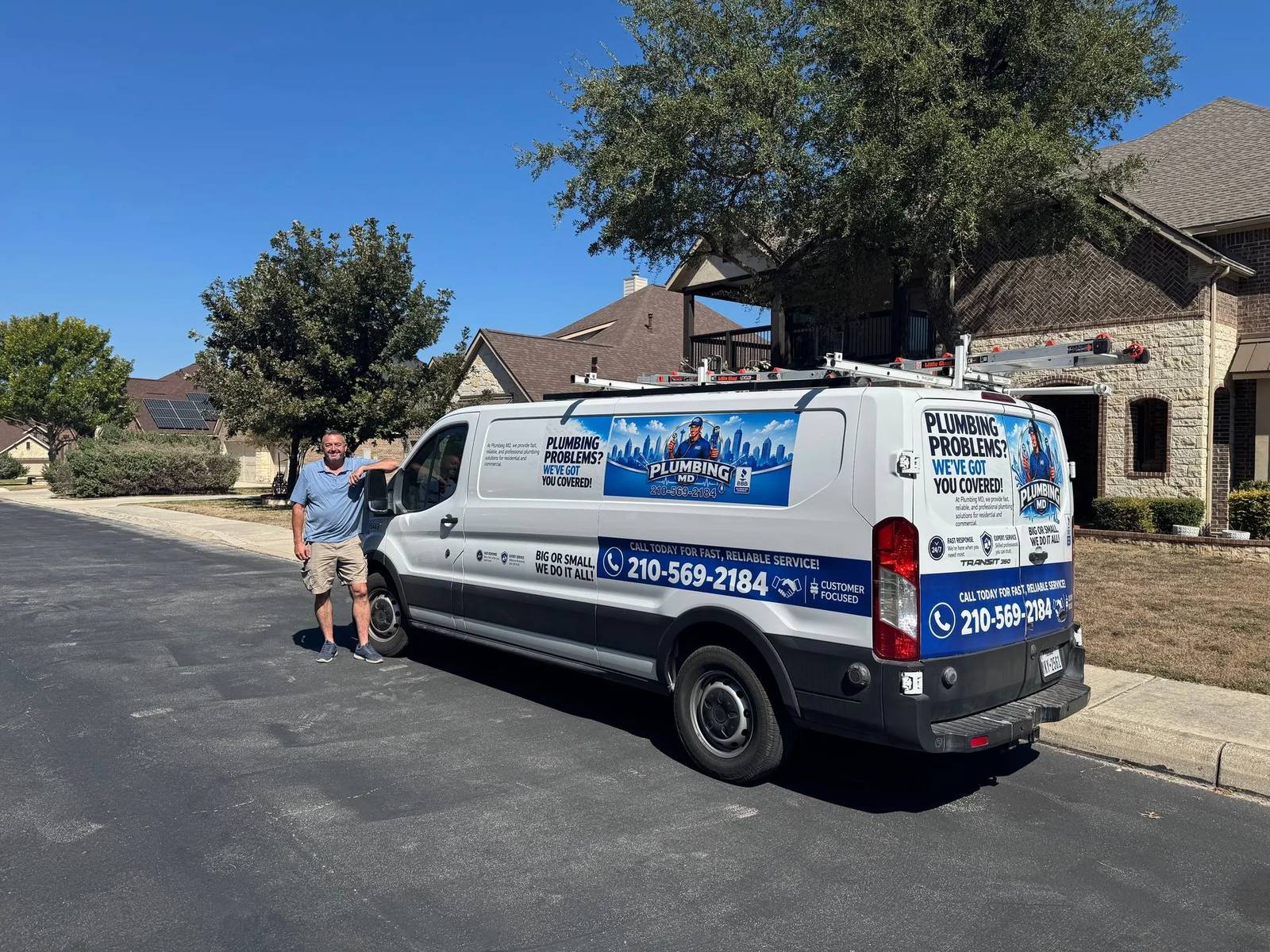
Plumbing MD became an LLC in 2026 with a size limit already in mind and two weeks of working beside the owners for anyone it hires.
San Antonio, TX
Joe Lusso already gives a little of his proceeds to local first responders; his longer plan is to hire firefighters, cops and dispatchers to run the business.
Saugus, MA
Trained on high-end jobs off Cape Cod, the owner of All County Garage Door gives his installers time to get each door right and answers to no franchise.
The Bethel plumber’s side business let him volunteer for a COVID layoff; now that it is his full-time work, he wants to staff it with former coworkers.
Chris Gardner says baseboards, doors and trim make an interior look good, so his crews coat them in Sherwin-Williams Emerald Urethane, not the ProMar 200 another contractor suggested.
The founder of Oren Painting draws his service map partly around what old lead paint could do to his painters, many of whom have stayed with him for years.
Matt, who handles many of the company’s sales visits, says homeowners keep dealing with him once work begins, and the in-house crews stay on a yard until it’s done.
Allen Richardson named his company for the drain cleaning he did with his late father’s machines, and kept the name as the work moved underground.
Vincent and Sophia list overhead, markup, labor and materials on their estimates, then back installation work with a 12-month warranty that applies automatically.
Greg Russell runs his Lexington heating and air company without partners, keeps it small on purpose and intends to hand it down to family.
Jerson Garcia runs a small Revere electrical company on one plain idea: answer quickly, put the details on paper and keep the customer informed.
From her mother’s hair salons, Koryn Dove took one rule for her painting company: on every job, large or small, the customer is the most valuable person there.
A husband-and-wife junk hauler in Vancouver, Washington, holds usable items back in a shop, then phones the people who can put them to use.
The Alvin junk hauler works seven days a week with his wife, son and daughter, and worries that a bigger outfit would lose its personal touch.
Tina’s first cleaning clients were members of the wine cellar she used to run, and when COVID emptied her schedule, most of her regulars came back.
Technicians at this Mesa HVAC and plumbing company aren’t paid on commission alone, and the hiring conversation spells out the one thing that gets them fired.
A Winnetka plumber holds himself to every arrival time he promises, even when it costs him his days off, and would rather stay small than let the work slip.
The Leominster electrician runs KC Electrical Contracting with one employee, and he has started a second company to buy electrical contractors around New England.
A Goldsboro pressure washing and landscaping owner shows up at every job and lets his employees learn from their own mistakes, up to a firm line.
At a Champlin plumbing company owned by one family, the owners answer the calls themselves and keep customers posted on when the plumber will arrive.
Duvalier Prado’s crew lays shingles to snapped chalk lines and quits at 3:30, even when that stretches a roof to two or three days.
Brothers Fabian and David Romero build pergolas, patio covers and decks around Houston with in-house crews, so the people who meet a homeowner first finish the job.
The Broken Arrow painting company tries to paint one nominated home free each month, and it hopes one day to paint an entire block.
The Layton roofer hires slowly and holds on to most of the owner’s work himself, betting that a smaller company leaves fewer chances to let a customer down.
A third-generation roofer paid 50 cents an hour as a boy now backs his crews’ work with a 10-year warranty and walks homeowners through every step.
Crews at Juan & Only Plumber role-play how they talk with customers and start nothing without approval, a rule the owner built from what he saw at bigger shops.
A Miami family of flooring contractors started a painting company and brought along a promise to come back as many times as it takes.
Rob Long, a former Recon Marine, runs Creative Homeworks in Dayton as a small shop and holds other people’s houses to the standard he sets for his own.
A property manager who couldn’t find a reputable junk hauler became one himself, then went all in on Patriot Hauling when his day job ended.
A Little Rock contractor licensed since 1995 says his real love is buying and selling houses, and he has already named the friend who will take over.
Spencer knows where his missing points go, a flat trailer tire or an icy road, and his answer is to tell customers what is going on.
A Plain City roofing company run by Tracy and Lawrence Tinlin works through hail-damage claims for homeowners and roofs apartment complexes across the country.
Roof Puppy owner John Wood, who started out knocking doors for a national roofer, wants his crews to finish by explaining the work to the homeowner.
Alex Munoz builds his Denver flooring crews around each installer’s strongest material, and he won’t tell a customer his team can lay a floor it hasn’t.
Jaden and Kenzie Sittler bought a Gilbert lawn maintenance company whose oldest clients date to 2002, and they are betting on crews that show up when promised.
The owner of a small Orlando-area plumbing company says doing the work personally keeps the standard his, and shapes whom he hires and when he calls a customer.
Jim calls himself an advanced handyman, the one who fixes small commercial damage in a couple of hours and builds cabinets and countertops from scratch.
Curtis and Tim Forstie bought their father’s Phoenix foam roofing company, and they train new applicators the same way they were trained.
A second-generation electrician says quality can slip once people besides the owner show up to do the work, so he has kept his company small and mostly residential.
Joey keeps a regular job while building Bora Cleaning Services, a Staten Island janitorial company that has him stripping, waxing and buffing floors across all five boroughs.
Tyler Gaumer and Cole Moberly’s first restaurant job led to a preferred-contractor spot with a kitchen-equipment company, then to work at the Kansas City Chiefs’ practice facility.
Matt cleans every Primeline job alongside his wife, and the business lets him open a sober living house in Stockton for people in need of housing who want to change their lives.
The Abercorn Street electrical contractor, in business since 1996, says the cause of a repeated trip has to be found before anything gets swapped.
A North Miami garage door company bases its repair-or-replace advice on the local building code and the salt air that wears hardware out early.
Michael Bice built a Birmingham lawn business before he took up tree work, and he still talks about a tree job in terms of the yard left behind.
Mike Zimmerman’s twin brother runs the Ohio painting company they co-founded; in San Diego, Zimmerman often paints alone and would sooner close shop than arrive late.
The Edmond roofer warns customers that a first attempt can miss, then promises to keep returning until the roof is right without charging more.
Crosek runs Two Brothers Garage Door Services in Round Rock largely alone, so the one who diagnoses a door is also the one who quotes and fixes it.
A master plumber who is also a licensed plumbing contractor, Wes Hargrove owns each job from the first pipe to the last fixture, and he keeps the drive short.
Aaron Hyatt went looking for a business people would book again and again, and he now runs Cadabra Cleaning’s Texas branch on his own.
Steve Woolridge runs a family painting company out of West Chester, Pennsylvania, where estimates run pages long and the final payment waits for a room-by-room inspection.
A Georgetown plumbing company asks enough questions on the phone that its technicians often arrive with the right parts, though the owner admits pipes keep some secrets.
Dave Harrison’s Spokane Valley plumbing company runs on plumbers he trained from their apprentice days, and on his habit of showing up when a crew falls behind.
A Lexington-area tile crew that cuts outdoors lost its cold months to a frozen saw, so the owner added remodel work and now does little else.
Jordan Jones of Ascent Solar & Roofing says his patented rack cuts his liability and risk in half on re-roofs, but getting other roofers to try it is harder.
A Colorado Springs native says roofing for investment companies buying fixer-uppers made the pandemic stretch busier for his company than the years before it.
Tim says most customers ask how much and how soon, so his company does nothing but water heaters, with trucks and a shop stocked to finish fast.
A former roofing general manager quit the corporate side to be the owner who shows up at the job, and now has his eye on veteran set-aside government work.
In Holiday, Florida, the owner of R.M. Mechanical sizes every system by calculation and holds his daughter and his one installer to the same exacting standard.
Rich DeMuro once needed tankers and a lot of men to lay hot tar; rubber membranes and silicone coatings now let his Clifton roofing company run lean.
Since 1972, the East Lansing company has built backyard retaining walls and worked on commercial and public projects from Michigan State University to the Potter Park Zoo.
Katelyn, who owns a Salt Lake City drywall company with her husband, Nelson, expects a late crew to tell her first so she can warn the customer.
The San Antonio plumber’s crews now swap out restaurant water heaters overnight as far away as Amarillo, and they finished a high school athletics center in four months.
Tyler Acree moved from high-rise windows to parking garages and apartment complexes, and he keeps his attention on one property at a time to get each job done right.
A Denver refrigeration mechanic who learned on his father’s refurbished fridges keeps a Freightliner ambulance stocked so a dead walk-in gets fixed in one visit.
The owner of GO2 Plumber NYC, a New York City plumbing company, says looking after his crew is how customers end up with a plumber they can depend on.
Steve Grandbois runs Bigwoods Quality Handyman Services on his own, fixing doors and locks and answering emergency calls for stores across the Fargo-Moorhead area.
Thomas Flaherty takes every call and does every install himself, an arrangement he says leaves no middleman between what a customer asks for and what gets installed.
Jason Reyes’s crew paints houses across the Upstate, takes on the drywall, carpentry and flooring that come with them, and counts the City of Greenville among its clients.
Art Price and his operating partner once ran corporate kitchens, and they now run Right Price Roofing and Construction on the same habits of process and procedure.
Michael’s Richton Park cleaning company leans toward commercial work and treats showing up early as a rule his whole crew is expected to follow.
An East Hanover heating and cooling contractor puts an owner on every job, trains its own technicians and treats showing up early as the baseline.
Brandon brought a Phoenix habit to Nashville in 2021: if you don’t answer the phone or follow up, someone else is already in line.
Rene Garza spent eight years in commercial plumbing, then opened his own San Antonio company in 2017 and had to learn residential service to keep it alive.
Larry Green opened All-In-One Electric in 1986, and with his son Logan now licensed as a master too, the two handle every job themselves.
Mohammad Abdallah of MA Premier Choices holds his crews to the standard he would expect in his own house, and builds the business on quality work, reliability and customer trust.
Henry Dreist quit school to wash windows and has run his own company since 2008, working a weekly route alone for mostly commercial customers around Jacksonville.
Zack Talmage runs his Southern Indiana pressure washing company on habits he credits to the military, starting with picking up the phone and showing up on time.
Nick Hoffman left a medical school classroom to run an Omaha contractor whose small repair jobs come from national chains, each with its own portal and photo system.
A Houston roofer who grew up in the trade says a new roof only lasts as long as the attic beneath it lets it.
A Denver fence contractor moved into industrial fence and gate systems to set his company apart, and he says the work depends on telling customers everything up front.
Brothers Jon and Chris Wallenburg usually take no deposit and bill for the time and materials a job actually used, line by line against the original estimate.
Michael Redinger runs a commercial HVAC and boiler company, a small business built on quick communication, immediate availability and positive relationships. A Delano parish trusts it with two churches, two rectories and a school.
A retired submariner began washing with one truck in 2019, and the pressure washing company he built has since spun off a dozen or so related businesses.
Philip Arms named his Sugar Land pressure washing company after two small boys, and he guards the family name on every job he takes.
Michael left restaurant management and a decade in automotive to learn HVAC, then renamed his company so it could outlast his own name.
Erik has been an electrician for 25 years, and at iKnow Electric he keeps the crew small and the talk with customers plain.
Cameron bought Junk It, a Hixson junk removal company, after a first try at ownership fell through, and runs it on a rule his stepfather taught him about being early.
Jeannine Gorski spent her working life in restaurant kitchens and dining rooms, then started a Marshfield company that cleans them after closing.
CMC Door Service, a family-owned shop in Kendall, spends most of its days on warehouse and storefront doors, and owner Christian Esparragoza built it around published prices.
A former Marine with more than 20 years in heating and air, Bobby Oakes runs a small company that lays out the options and lets customers choose.
Alternative Window Cleaning has run on family labor since 1992, and Noah Johnson says one person handling each account from sale to clean is the point.
Vlad runs Premium Services WA, a commercial-only cleaning company in Bellevue, on a plain idea: one assigned crew per building and an owner who answers the phone.
Jimmy grew up in the flooring trade, and the company he started in 2020 brings samples to the customer’s door and keeps its install schedule short.
Nicole Cook had never cleaned professionally before she built a family-run crew in Newark, Ohio, and then a second business that empties and restores hoarded homes.
The former restaurant owner behind Fresh Bins LA trains his curbside crew to act like neighbors and sends the truck back when a customer isn’t happy.
Joseph Burgess runs his Gresham painting company alone after a partner left, and he wants it known for commercial work and for real talks with customers.
After buying out their partner and renaming the company, Jordan and Taylor Bigbee still run their Marion remodeling business on a habit that sounds small: answering the phone.
Greg Hill coats garage floors around Los Angeles by himself, and he spends a caller’s first phone call explaining what the concrete underneath will need.
With a mother in house cleaning and a background in restaurants, Daniel Mejia built an Atlanta company that spends hours, sometimes days, deep-cleaning commercial kitchens.
Shaun Hunter came to sprinklers from plumbing, and the Sterling Heights company he runs with his wife, Shelby, is built on diagnosing before replacing.
After 33 years in the trade, master plumber Robert Harbolt runs his Shawnee plumbing company alone and wants to grow it enough to teach younger plumbers.
Robert says he has worked on mini splits for 50 years. His company installs and repairs them around Phoenix, and he wants to open a tuition-free trade school.
Daniel bought a pressure washer to learn how to run a business, and customer requests and a habit of arriving early shaped what it became.
Eduardo Lopez learned the trade under another company and opened his own electrical business in 2026, with his father, a tradesman of more than 25 years, backing him.
In Killeen, Texas, Bryan Polk mows and landscapes mostly alone, and he is studying his old planners to build a business that keeps going when he steps away.
Vlad, the owner, took over a friend’s Brooklyn chimney company and spends much of his time on the flues that vent boilers and water heaters, where the danger is invisible.
Two Bellevue cousins started a window cleaning company in 2023, and many of their customers write about how the young crew behaves indoors as well as about the glass.
After a decade working up through Oregon’s electrical licenses, Cody Bartholomew opened Titan Electric in Salem and kept a photo record of the jobs that followed.
Jarrell Wilson learned the carpet trade in his grandfather’s Houston business as a boy, and now runs his own crew doing the same work.
John Day, a Marine veteran and former rural mail carrier from Idaho, cleans Tulsa homes and low-rise buildings by himself with purified water and a long pole.
A union apprenticeship in San Francisco shaped Solomon Painting, which has worked across the Rogue Valley since 1992 and sprays its doors and trim in a heated shop.
Matt Rial and Mike Keigher grew up working in a family flooring business, then built a demolition company around getting old floors up fast.
The company behind the Timberline shingle grew from one chemist’s asphalt experiments and later merged with a German-rooted film maker the U.S. government had once seized.
A cemetery caretaker’s experiments on sick trees became North America’s oldest tree care company, run by three generations of Daveys before the family sold it to its employees.
The carpet cleaner Jack Bates started in Ohio in 1947 got its name from a machine he built with his son, and from the customers who wrote the checks.
Andreas Stihl died a year before his family opened a Virginia Beach chainsaw plant with 50 workers and one model, a bet that still shapes the company.
Before the ‘Cover the Earth’ logo, Henry Sherwin and Edward Williams set out to sell painters what most still mixed by hand each day: paint ready to use.
A Des Moines tinkerer’s homemade root cutter became a franchise business during the Depression, then a trade name so common that many people forget it belongs to someone.
The heating and cooling company began with an unpaid bill in an Iowa machine shop, then grew for 95 years under a newspaper publisher’s family.
The Wisconsin toolmaker came out of a factory fire, built the Sawzall, drifted for years, and then rebuilt itself around the tradesman who uses a tool all day.
Before it became a Berkshire Hathaway company, Shaw began as a Dalton family finishing shop with four machines, and two brothers spent decades betting it could be much more.
The family company Gene Winchester started in 1940 made its name on a yellow bag of premixed concrete, then used acquisitions to reach far beyond it.
Otto Orkin gave away his first rat poison and charged only if it worked, then built a company around the idea of coming back.
Founded by Chicago hardware merchants in 1924, Ace was sold to its own retailers in 1973, and independent store owners have held it as a cooperative since.
A Washington fence business that began in a decommissioned city bus passed from father to son, then split the Long name between two branches of the family.
Founded in 1967 and sold through professional dealers, LiftMaster kept adding protections to the garage door opener, from rolling remote codes to a camera that watches the garage.
Leslie’s grew from one North Hollywood store into the country’s largest pool supply retailer, while its founder spent years fighting the company that kept his name.
For more than a century, four generations of one family turned a homemade polish into a car-show fixture, until 3M bought the business in 2008.
Brian Scudamore began hauling junk in 1989 to pay for college, and the company he built grew out of the day in 1994 he fired all 11 employees.
The German cleaning-equipment maker turned 90 still owned by its founder’s family, shaped by an inventor’s hot-water machine and the wife who ran his company after him.
The builder behind Hoover Dam and the Channel Tunnel has had five generations of family leaders, two of whom spent childhood years at its job sites.
The St. Louis company Merrick started in 1978 grew to more than 270 locations by selling people a window-cleaning business rather than a window-cleaning job.
Matt Kaulig signed on in 2005 as one of 91 dealers for a stainless steel gutter guard, and within five years he controlled the whole brand.
A Phoenix supplier of irrigation parts, stone and fertilizer to landscape professionals reached its centennial as a family-owned company with branches from coast to coast.
Ken and Diane Hendricks built the country’s largest roofing distributor in Beloit, Wisconsin, on the belief that the people who put roofs on houses deserved more regard.
A paint maker founded in Brooklyn in 1883 sold through independent dealers, and after Warren Buffett vowed to keep it that way, its own chief executive nearly broke the pledge.
Four generations of one family have run Bartlett Tree Experts, and the clearest record of their habits is an arboretum on a former horse farm outside Charlotte.
Before it ran a flooring business from Calhoun, Georgia, Mohawk was a family wool-carpet mill in upstate New York that had to follow the industry south.
A plasterer’s request to two Iowa machinists in 1890 started a toolmaker that still makes its products on the Marshalltown street it moved to in 1902.
Founded in a Massachusetts town in 1996, the handyman franchise grew on a plain division of labor: owners manage the business while technicians do the repairs.
A hardwood company’s search for a way to keep termites out of its boards produced a name, an annual guarantee and nearly a century of changing owners.
Merchants Metals began as Gibraltar Fence in Houston in 1953 and has changed hands four times while supplying the contractors who put up fence.
Clopay is named for the cloth and paper of its past; its lead in garage doors came from an early bet on steel and a long string of acquisitions.
Frank St. Romain’s regional supplier grew into the world’s largest pool distributor, and the company still starts its future managers on warehouse floors.
A Los Angeles car care brand took its name from a stand at shows, and its product descriptions read like a primer on what dirt does to a car.
Two friends who met in high school detention turned a borrowed furniture-store van into a national moving and junk removal franchise, learning their lessons the hard way.
William Bruggeman designed a longer-lasting pump, watched his employer scrap it as too expensive, and built a Minnesota company around it instead.
Before he sold a single franchise, Dallen Peterson and his family scrubbed clients’ homes to learn the work, then turned what they learned into a system strangers could run.
Henry Chandlee Turner’s company began in 1902 with a small bank vault and grew, on concrete and big civic jobs, into a giant of American building.
Rik Nonelle turned a small window cleaning company into a national franchise, then had to work out why his system succeeded for some owners and not for others.
A gutter design brought to a metal manufacturer in 1988 spread across the country through local contractors, some of whom rebuilt their businesses around it.
The Toledo maker of insulation and roofing grew from a glass-block experiment that went somewhere unexpected, and its best-known color came from what installers asked for.
Mike Stone went from selling custom homes to running CertaPro Painters, a franchise that bet on fewer, bigger local businesses and on painters as craftspeople.
A building-supply executive set out in 2000 to open a store that sold only hard floors, and stocked far more of them than a home center would.
Two tool-company veterans started a hand-tool maker in 1981. One died nine years later, and the other kept his name on it and made it a family business.
Starkey and Jean Thomas built Arrow on termite work in Atlanta’s new houses in 1964, and their granddaughter runs a company that grew partly by buying other pest control firms.
The fence and deck supplier started in a California garage in 1951, and one former logger’s career runs through much of the history between then and now.
Hayward dates to 1925, but two generations of the Davis family took it from regional supplier to global brand before agreeing to sell in 2017.
Kurt Ziebart’s rust coating was dismissed by Detroit, grew into a worldwide franchise, then had to find new work once rustproofing stopped carrying the business.
A promotion Mike Andreacchi didn’t get led to a red-truck hauling company born in a San Carlos garage, and to franchise owners who came from very different careers.
Bill Braber started an equipment company in Abbotsford, British Columbia, in 1969. His son built a pressure washer maker on it, and a grandson-generation owner runs it now.
Since arriving in Ann Arbor from Canada in 1984, the cleaning franchise has been shaped by the people who own its local offices and a charity for domestic violence victims.
A masonry contractor’s youngest son took over the family firm, carried it through the Depression on highway work and put it in the hands of its employees.
Henry Unger carried American window-cleaning tools to Hamburg in 1964 and built a company for people who clean for a living. His three sons now run it.
An MIT graduate’s 1979 idea, built on the way water clings to a curved surface, still shapes a gutter cover sold and installed by local dealers.