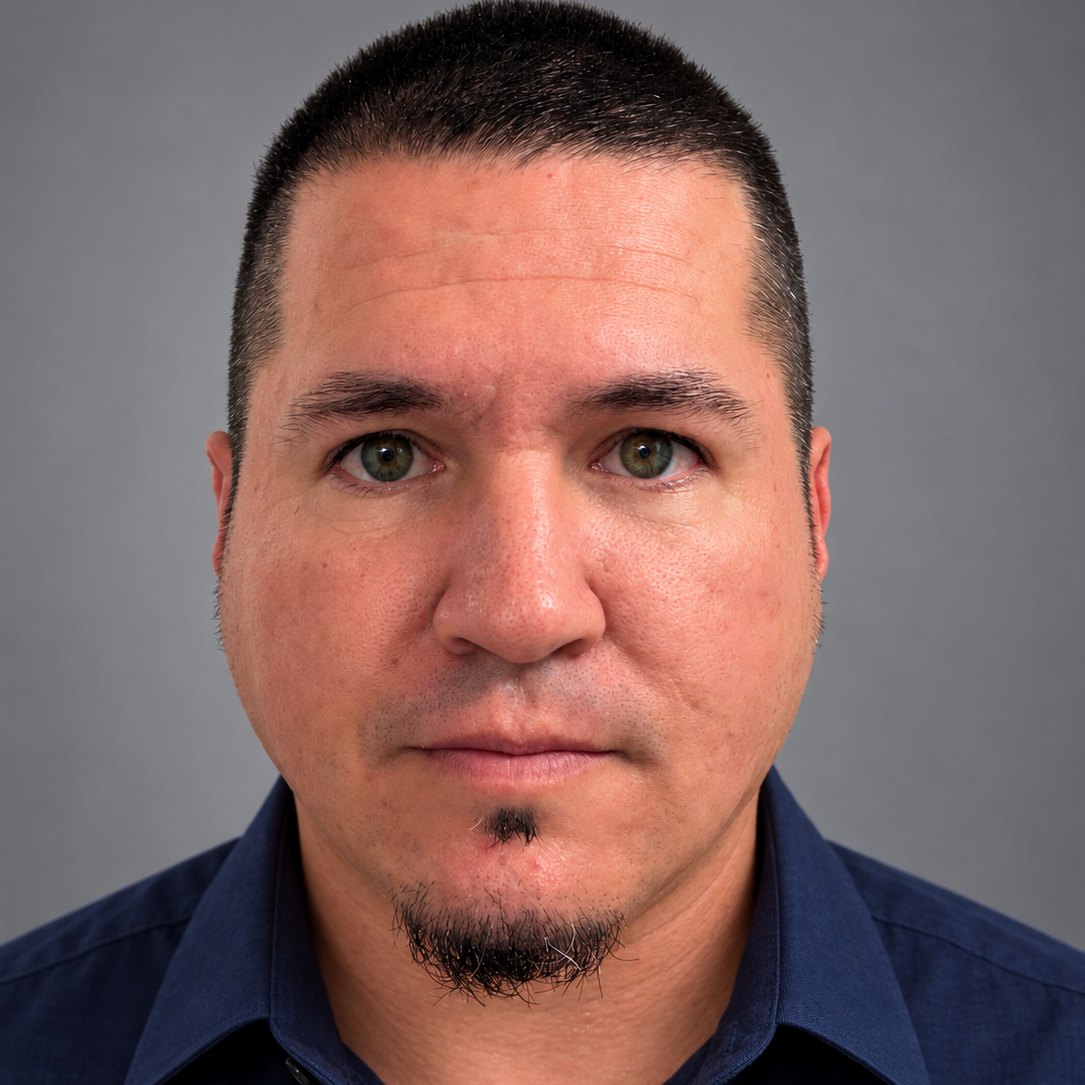
Some of Michael’s customers simply leave him a key. “Sometimes they just leave keys for me,” he says. Homeowners do it. So do commercial clients, including a fried chicken restaurant whose buildings he can let himself into. “I’ve got quite a few keys,” he says.
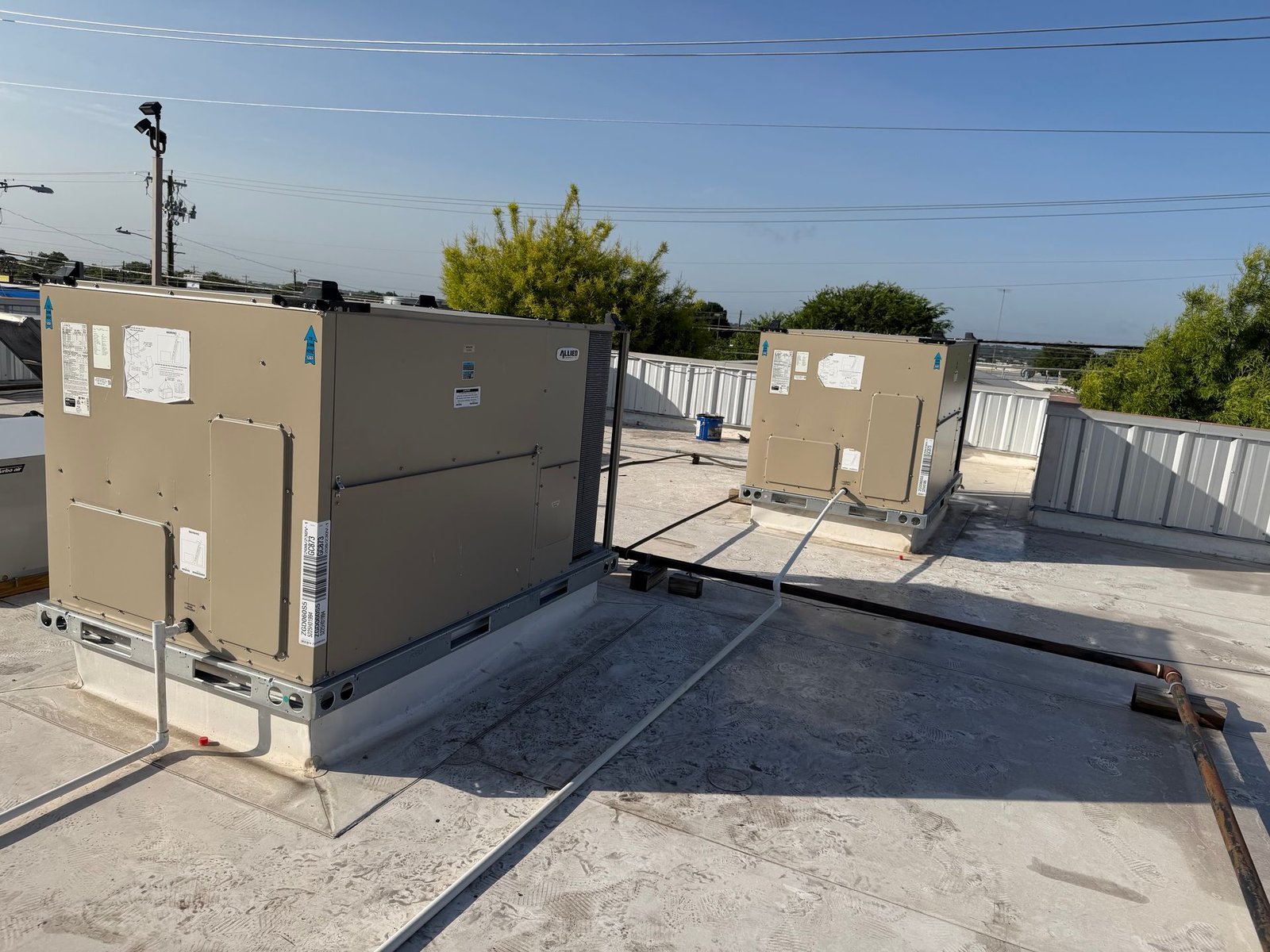
Michael owns Spartan Mechanical LLC, an HVAC shop based in Azle. The company specializes in residential and light commercial heating and cooling, and according to its website it also works on commercial refrigeration, walk-in coolers, freezers and water heaters. The shop is open Monday through Saturday and offers emergency service when a system fails outside regular hours.
He came to the trade from other work. Michael managed a restaurant, then spent more than 10 years in automotive. The opening came through a neighbor, whose father was one of the first 2,500 licensed technicians in Texas. The two families became close, and Michael was eventually offered a chance to learn HVAC. He took it and has been doing the work ever since.
The company carried his own name at first. He changed it. “We rebranded to be Spartan Mechanical so we could be more accessible to everybody and not tied to my name,” he says. “I want the company to be able to be successful on its own.” He puts the same idea another way, too: “We want to be here and continue doing this long after I’m gone.”
The company started in Arlington and has long worked across the Dallas-Fort Worth area. Michael describes a service radius of about 80 miles from the shop, taking in all of Tarrant County, most of Parker County and parts of Dallas. The website names Azle, Springtown, Lake Worth, Weatherford, Saginaw and Fort Worth.
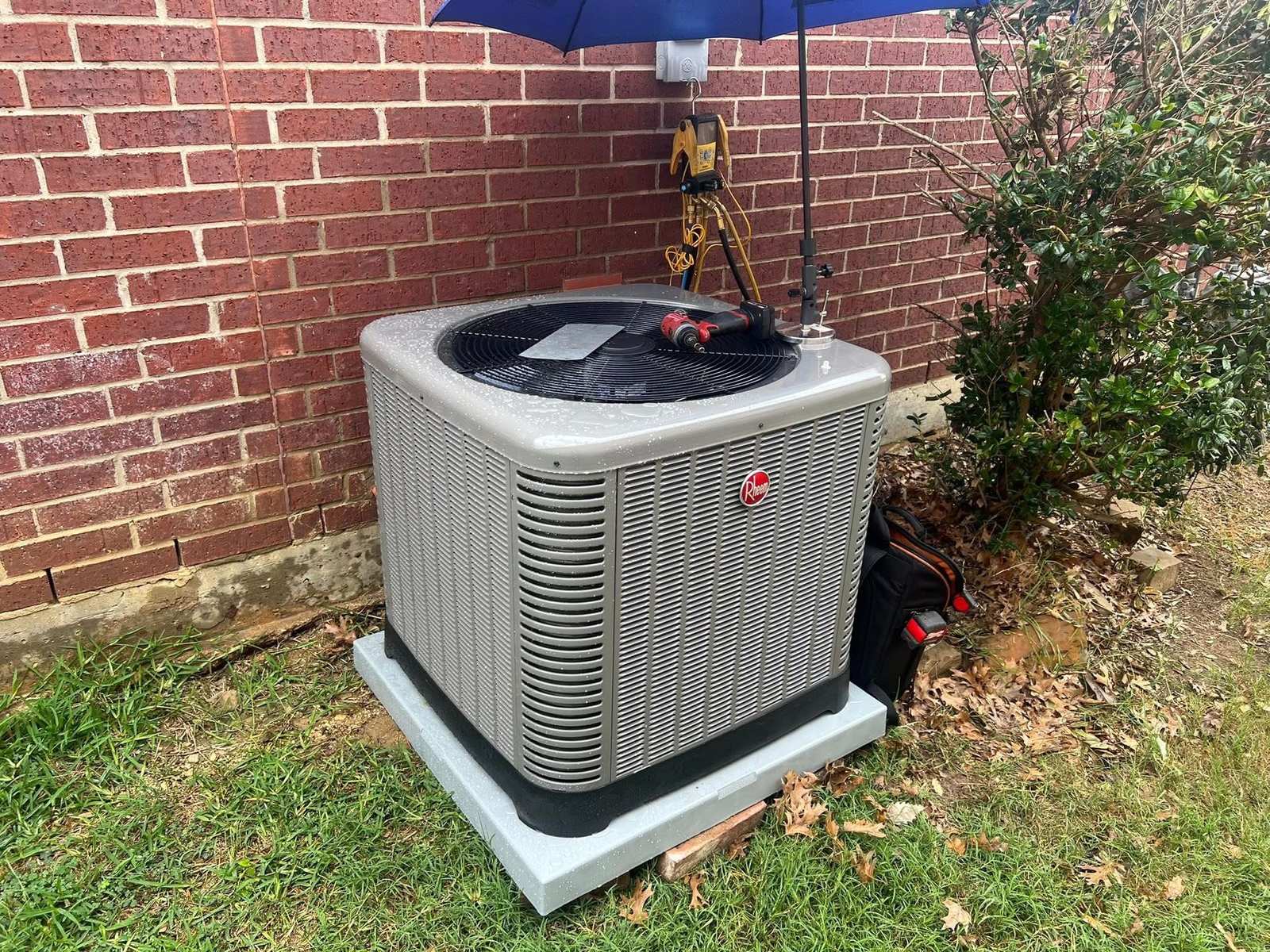
Michael says he would like to be known for residential work, and for being someone homeowners “can rely on and trust.” He holds himself to very high standards on installs, he says, whether the homeowner wants a high-efficiency system or a standard one. Who the customer is should not change the work. “We want to give the same level of service to every customer whether you’re rich or you’re not,” he says.
He won’t cut corners on request, either. “If we do subpar work just because somebody asked us to, then that’s still a reflection on my company,” he says.
A lot of his work starts with a phone call that never becomes a service call. When customers ring with a question about their air conditioner, he often talks them through it. He doesn’t want to charge someone to come out and change a filter. “If it’s something as simple as a filter change, I’ll walk you through it and save you the money and save you the time,” he says. A truck comes out when the system is due for service, or when the customer can’t get it sorted out with his help over the phone. “Even if you don’t go with us, we’d like to definitely educate you,” he says.
He says he has never failed to show up for a customer. “If I say I’m going to be there, I’m going to be there.” If traffic is heavy, he lets the customer know he is still coming. If a motor is on backorder from the manufacturer, he passes along the time frame the manufacturer gives him. “Transparency’s a must,” he says.
Customers have written about the speed. One, newly moved to Texas, wrote in a Google review that Michael arrived within an hour of her call and had the system running again in about an hour more. Another wrote that Michael and his crew pulled out a failed air conditioner and installed a new one before the day was over, and that the household called him again when its water heater went out.
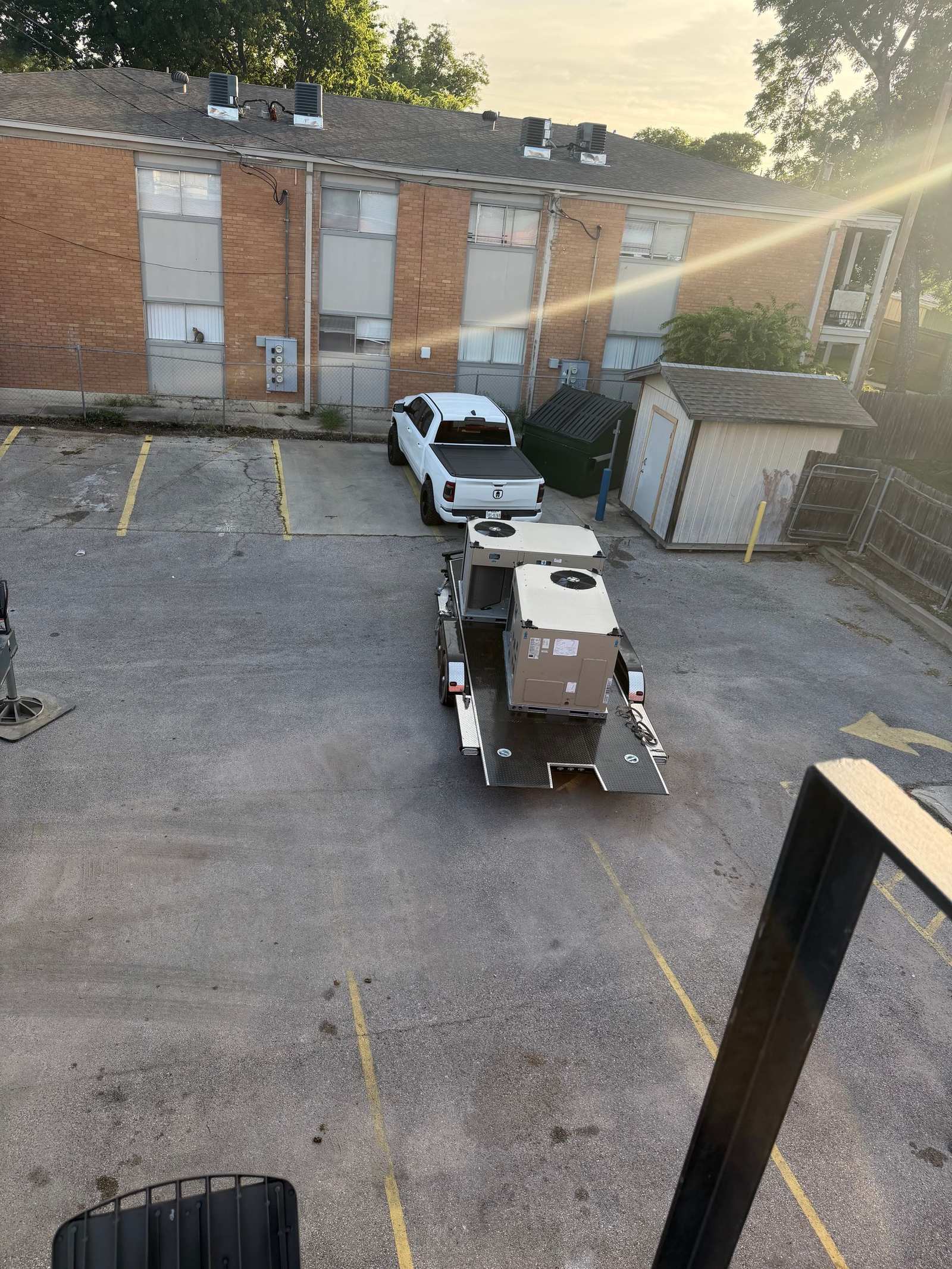
One of his biggest customers is a property management company he has worked with for a decade.
Michael traces his sense of obligation to the family that raised him. He grew up in a military home. An uncle who spent a lot of time raising and teaching him served years in the Navy, as did his grandfather. “They coached that reliability into me,” he says. The lesson stuck: “A man is only as good as his word, so if you say you’re going to do something, you need to follow through.”
He has a team, and he is the primary owner. He runs it the same way. “I will never ask anybody to do something I’m not willing to do myself,” he says.
He has plans that reach past the business. He says he is working toward a program that would raise money from donors to install systems for families who can’t afford them. Further out, he hopes to grow the company enough to start a foundation that builds schools and pays for children’s education in the Philippines, where he has traveled. He remembers children on the streets there selling sandals and trinkets with no shoes on their own feet.
“They don’t wear the product, ‘cause they have to sell it,” he says.