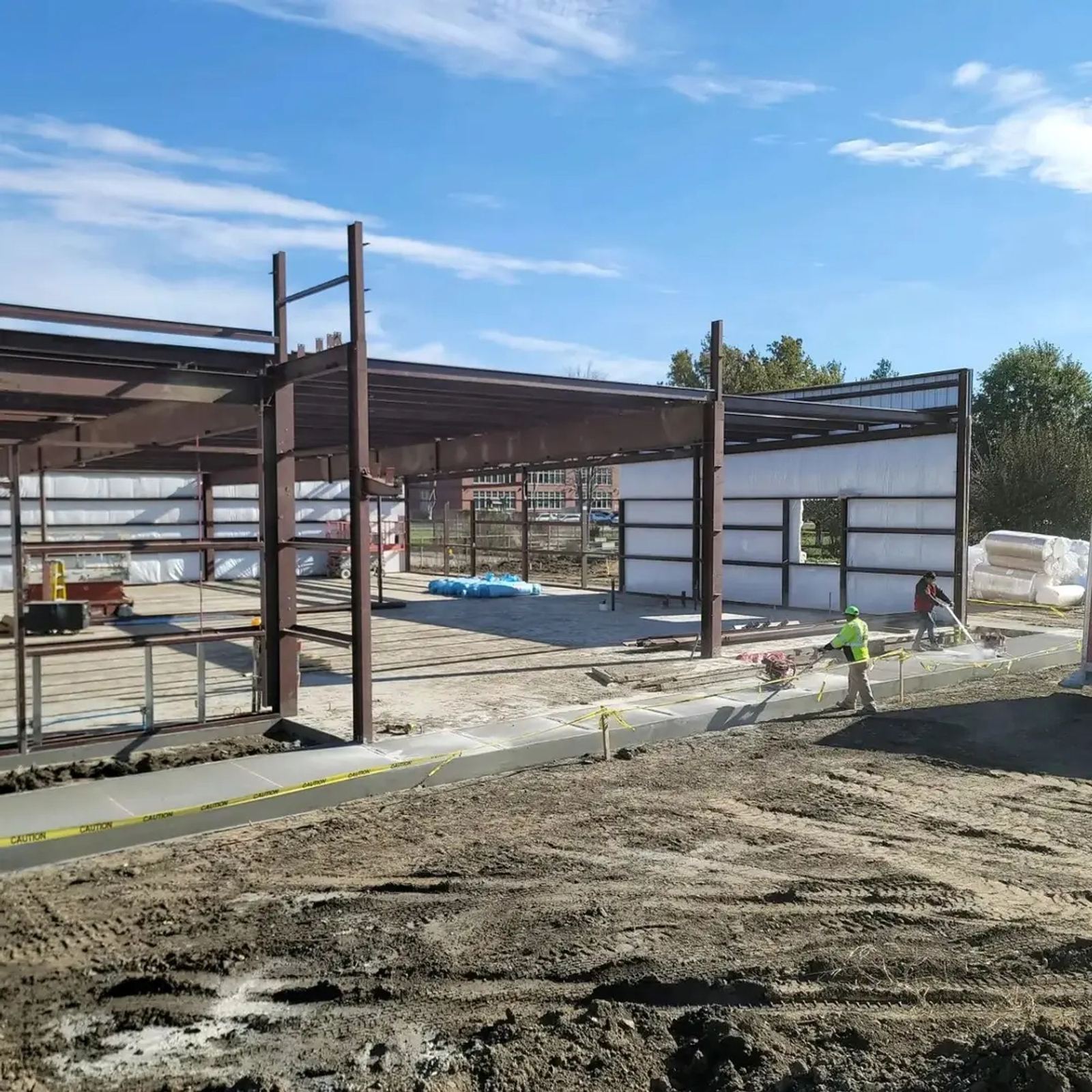
Not one of Nick Hoffman’s clients has a 402 area code. That is the code for Omaha, where his company, Paladin Facilities and Construction, is based on the city’s south side.
“All of our clients are national,” he says. The assignments come from national offices at chains like Tractor Supply and Starbucks, “kind of right down the line.” Now and then a job comes from Scooter’s Coffee, which he notes started local. “Other than that, we just mostly do national stuff.”
The work itself is small. Paladin runs drains and fixes door closers. For Apple it does cosmetic work, hanging plaques and other odd jobs. The newest line is building landing pads for Amazon’s drone delivery system. “We do little stuff that no one wants to do,” Hoffman says. About 95 percent of the company’s work is commercial. He calls Paladin a regional contractor, not a national one, and his crews will go as far as 220 miles for a job.
Asked why those chains pick his company, he answers in one word: “Paperwork.”
Many of the clients have very specific requirements, he says, sometimes handled through an online portal. Each has its own payment system and its own photo system. Some are tax exempt in one state and not in the next. Keeping track of all of it is part of the work. “It just has to be done perfect, or it doesn’t go through and it’s a hassle for everybody,” he says.
Being on time is the other half, and even that does not guarantee a warm welcome. “These store managers, since they don’t have control, aren’t really happy when you’re early or you’re late or even if you’re on time,” he says. “But it really has to be done well.”
Hoffman did not come up through the trades. He was teaching medical school when he started the company in 2016 with a business partner who was then in-house counsel at a bank. The two were mostly worried about the possibility of negative GDP years. “Construction works really well in negative GDP environments because wages fall,” he says. He later bought out his partner and runs Paladin alone.
His expectations come from graduate school. “My PhD mentor was really strict, and he warned me that when I left it would be hard to work with other people, because I would expect a certain level,” Hoffman says.
He has two foremen, one with him for 10 years and the other for six or seven, and he says both now expect perfection from everyone. “They’ll just absolutely go ballistic if it’s an error that shouldn’t have happened.” Nobody gets to say a mistake can wait until tomorrow. “It kind of makes me smile that that transferred on,” he says, “and it makes everyone’s life easier.” When he does need to hire, he usually looks for people who are retired.
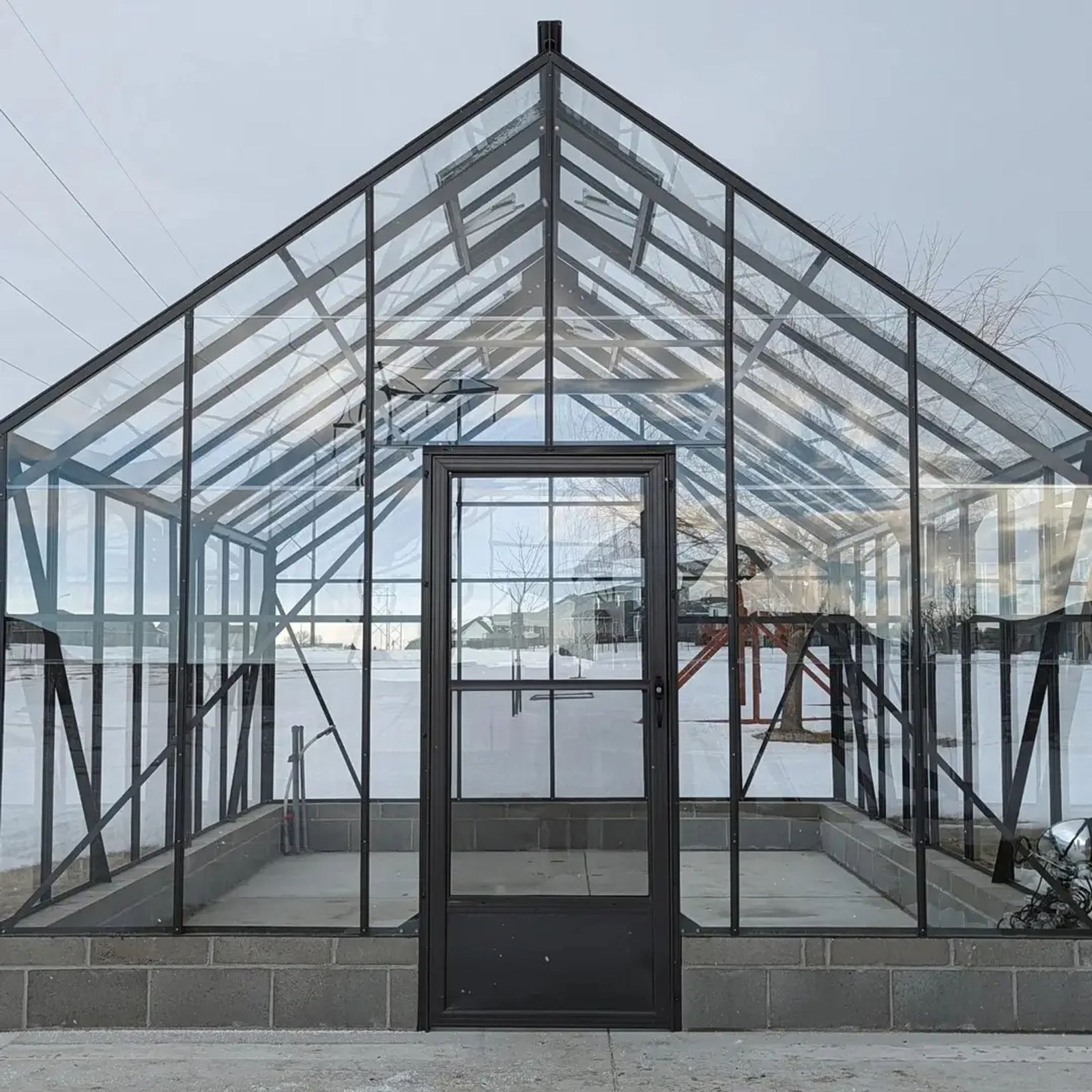
The company has changed course before. During COVID it switched to utility buildings. “We built a lot of greenhouses,” he says. He and his partner both came from farming families, so the work turned to chicken coops, trenching and other outdoor jobs. Greenhouses are no longer the core business.
Residential work stays rare, about 5 percent by his estimate. He will take on a house when a flood washes out a basement block wall with all the utilities on it. He will not take on a kitchen remodel.
What Hoffman wants next is to build from the ground up again, maybe a few Dollar Generals or Walmarts now that the company is “kind of out of the woods.” He considers those buildings easy. “There’s not too many moving parts,” he says. “Tractor Supplies are really easy. Walmarts are really easy.”
He has a story from a Dollar General site. He came in on a Monday morning to meet with the owner, and partway through the conversation he started wondering where the porta potty was. When the meeting ended, he looked around again.
“There is a pile of melted blue plastic in the corner,” he says. Someone had set it on fire over the weekend.