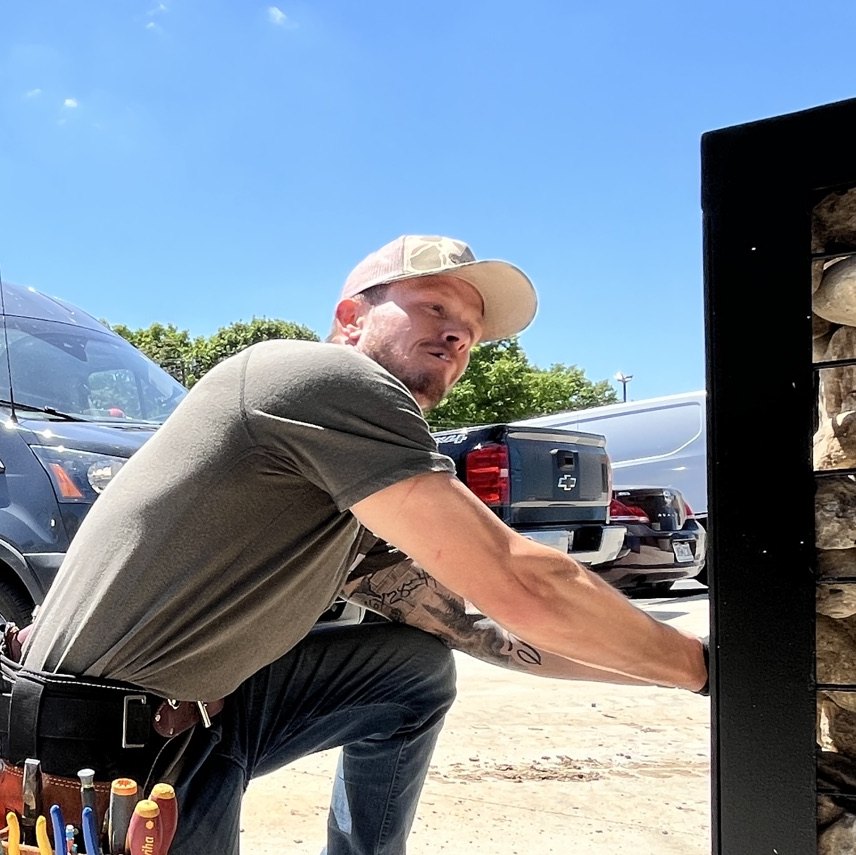
Pipe Dream Electric’s first job, as Tyler Gaumer remembers it, was a restaurant and butcher-shop concept near Crown Center in Kansas City. It pointed the company toward the work it is now known for.
Out of that job, he says, Pipe Dream became the preferred electrical contractor for a company that handles hood controls and kitchen equipment. That led to a job at the Kansas City Chiefs’ practice facility. Pipe Dream still works for the supplier, whose jobs run to casinos and high-end restaurants. “Commercial kitchens are definitely our kind of calling card,” Gaumer says.
The hood controls are the part he singles out. “There’s a lot of intricate electrical hood controls in particular that a lot of electrical companies don’t like to mess with,” he says. The company describes its niche as commercial kitchens and boutique restaurants, and its project gallery includes a restaurant-and-bar build-out for Big Grove.
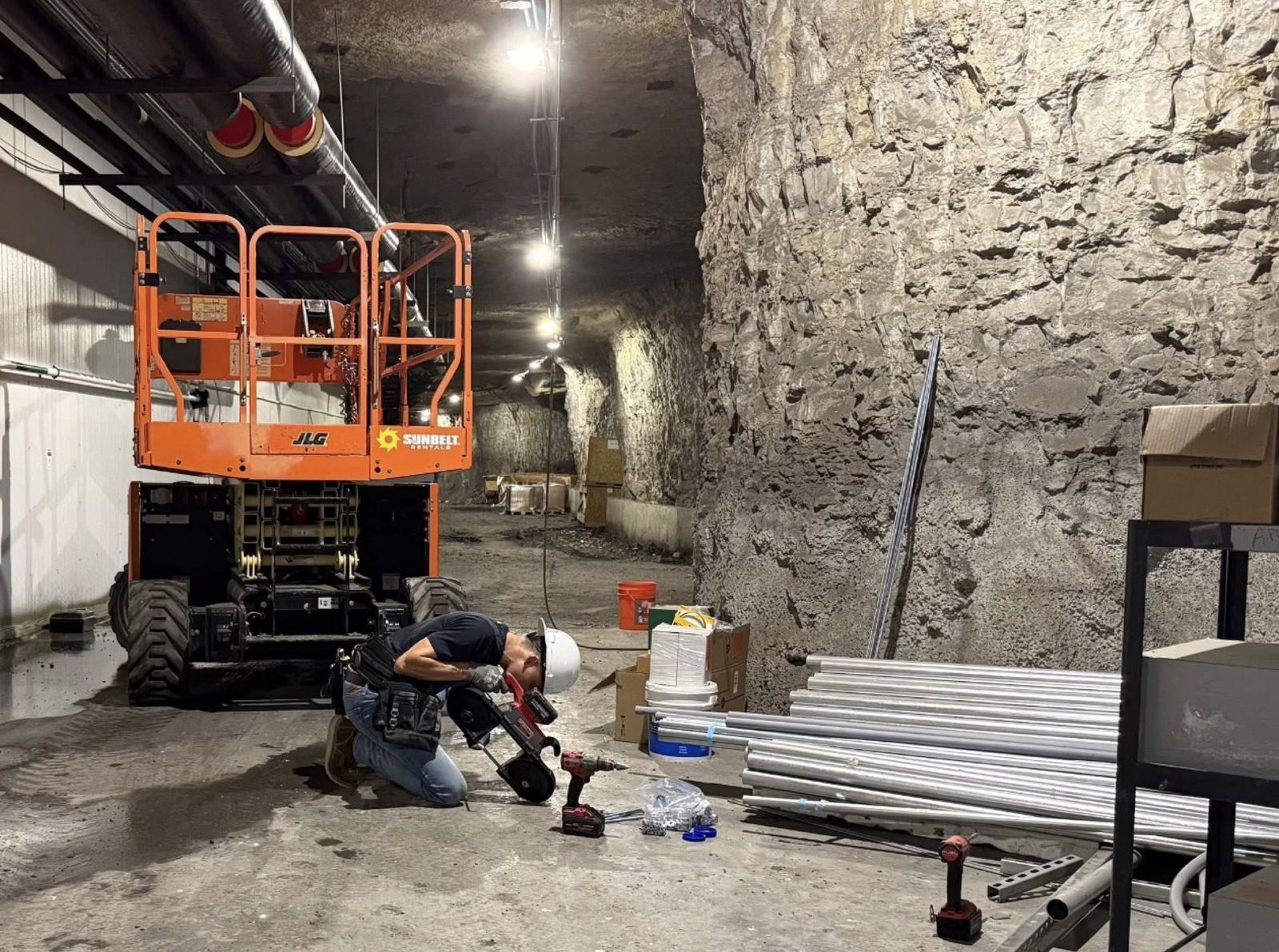
Kitchens sit inside a larger commercial business. Gaumer puts the split at about 90 percent commercial and 10 percent residential, and a typical job runs three to four months. Most of the work stays within 50 to 60 miles of the shop in Liberty, though solar work for one company has taken crews to Illinois, Kentucky and West Virginia. A barn owner’s review notes that Cole Moberly drove two hours, got there early and worked all day to wire the building.
Gaumer has been in the trade since 2012. He was a union electrician when he was laid off during the pandemic. The union picked back up a few months later, but by then he had decided to stay on his own, and in 2022 he went full time as a one-man subcontractor.
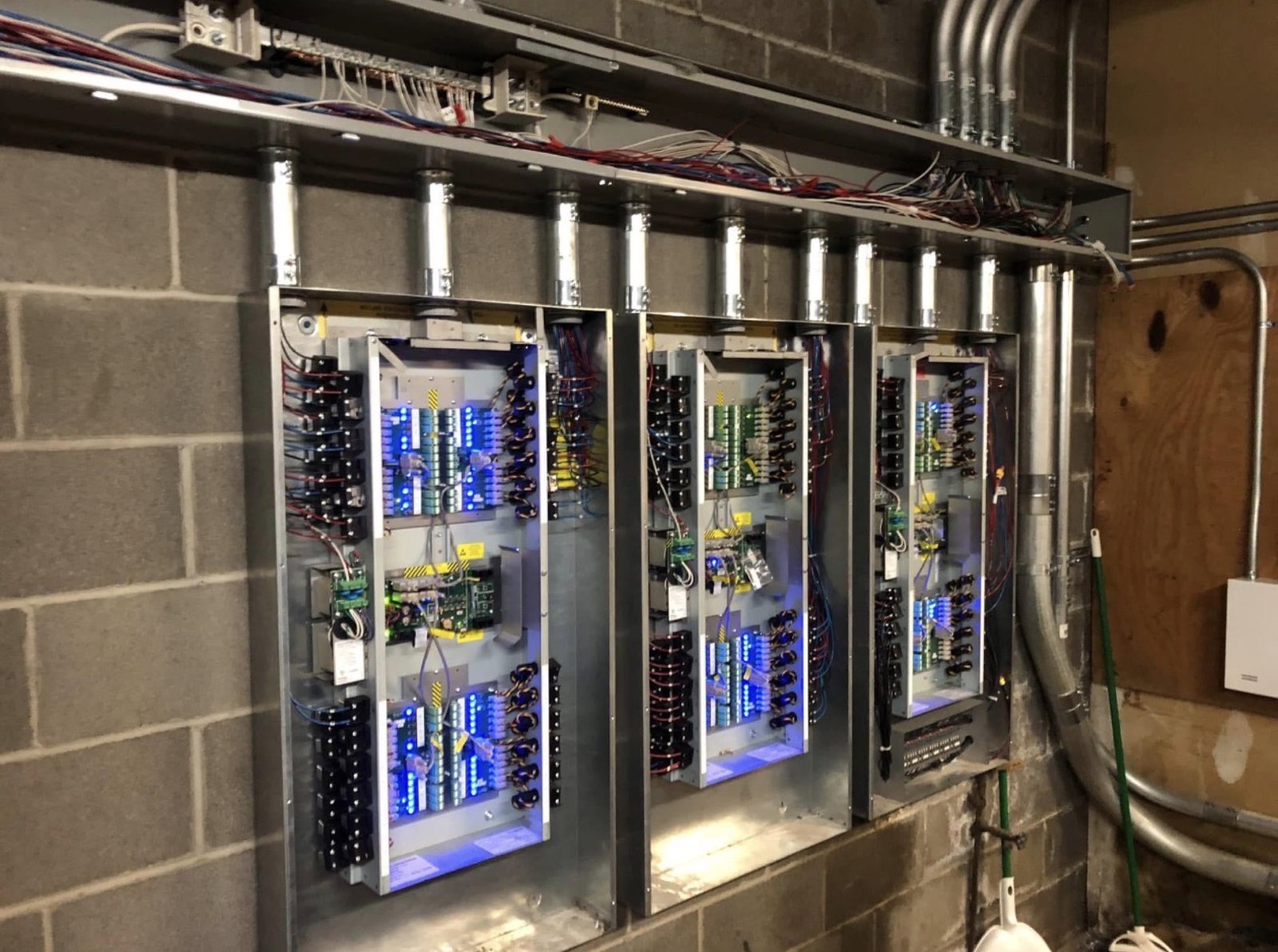
About two years into that, he met Moberly on a job site where he was subcontracting. Moberly, a Shawnee, Kansas, native, trained for four years at Peaslee Tech and now runs day-to-day field operations. Gaumer says the work scaled faster than the two of them expected.
The office side came harder. A general contractor took an interest in them and showed them the back end of the business. “We’re all just field guys at heart,” Gaumer says. He has picked up estimating and project management job by job, and he borrows from the systems of the large non-union shop where he worked before joining the union.
The crew now runs to nine guys, three vans and a truck. The top man in the field has close to 30 years in the trade and was the one who had Gaumer on a job site his first day doing electrical work. Several of Gaumer’s nephews work for him. He wants to keep it about this size. “We don’t want to blow this thing up to 500 employees,” he says. “Once your employees become a number, then I feel like it’s pretty much all downhill from there.”

His rule for the crew is the one he applies to customers. Someone switching off night shift can come in later or stay later, he says, as long as he hears about it first. “Tell me what you’re going to do, follow through with what you’re going to do,” he says. “If you do that, then I can work with anything.”
On repairs, he draws a line. “It’s going to be fixed correctly, it’s going to be fixed to code,” he says, “and if that’s not something that you want to pay for, then it’s not something we’re interested in doing.”
He learned the value of showing up from his mother, who has run a restaurant in a small town for more than 30 years. She opened early so farmers could get their coffee at 4:30 in the morning, and she catered for the football team. These days she posts on the town’s community page when she will be open, eight to noon on a Monday and a Thursday, say.
“That parking lot will be packed the two days that she’s open when she says she’s going to,” Gaumer says. “It’s really cool to see, because you just don’t really see that anymore.”