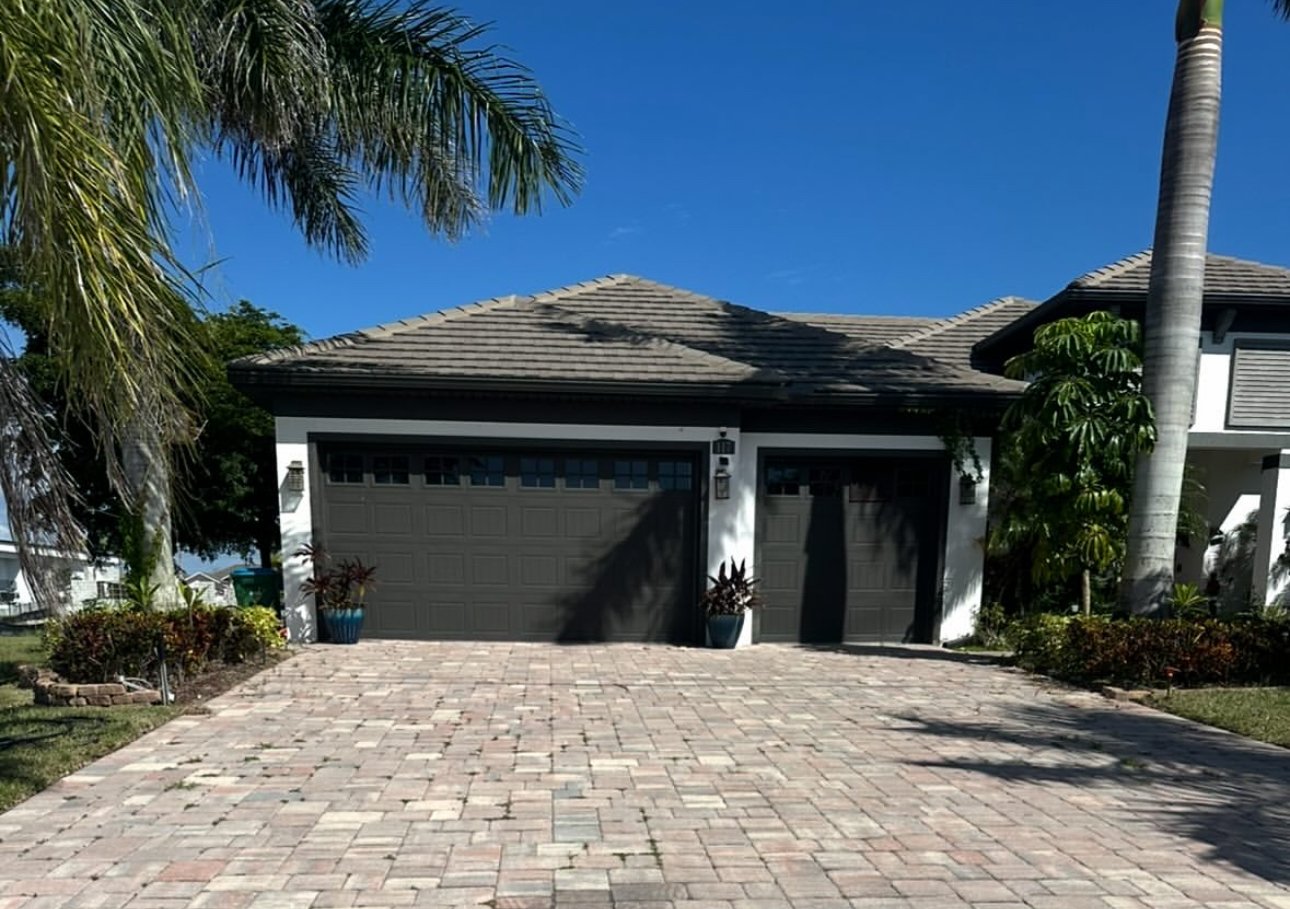
In Miami-Dade and Broward counties, a replacement garage door has to carry a Miami-Dade Notice of Acceptance before it can be permitted. Both counties are designated High Velocity Hurricane Zones under the Florida Building Code. Design wind speeds in Miami-Dade start at 175 mph, and a door has to be impact rated as well as wind-load rated.
Garage Door Shield, a North Miami company that repairs and installs doors in both counties, lays out that rule plainly for its customers. The new doors it installs are hurricane-rated, NOA-approved models, the company explains, because nothing else can be permitted there. Replacing a garage door counts as a permitted structural alteration in both counties, and the company files the permit as part of the installation.
The code also shapes its advice on a tired door. Repair usually makes sense, the company says, when the door’s structure is sound and the trouble is limited to springs, rollers, cables or the opener. Replacement is the better value when panels are cracked or rusted through, when the door isn’t hurricane rated, or when the repair bill approaches half the price of a new door.
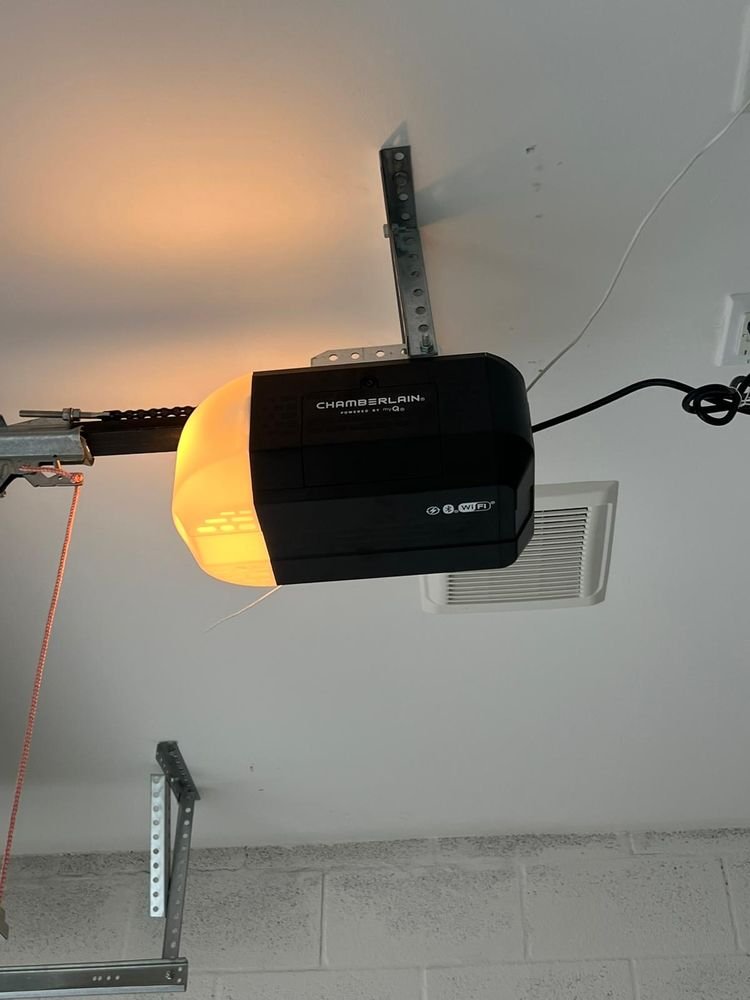
The other local factor is salt. A quality steel door can last 15 to 30 years, the company writes, but coastal South Florida sits at the low end of that range. Salt air corrodes springs, hinges, cables and tracks measurably faster, so homes within a few miles of the water often need new hardware well before the panels wear out. Openers generally last 10 to 15 years.
The same concern runs through its troubleshooting. If a remote works but the wall button doesn’t, the company points to a wiring fault, usually a loose or corroded connection at the button or at the opener. Corrosion on low-voltage wiring is common enough near the coast that its technicians check for it routinely.
Springs get the firmest advice. When a door rises a few inches and stops, a spring has almost always broken. The door is then far heavier than the opener was built to lift, and the opener’s safety mechanism shuts it off. The company tells homeowners to stop pressing the button, which can burn out the motor on top of the broken spring. It also recommends replacing both springs on a door rather than one. They were installed together and wear at the same rate, so the second is usually close behind, and a door left out of balance wears out its opener early.
No homeowner, the company says, should replace a torsion spring alone. Those springs hold several hundred pounds of stored tension, and releasing it safely takes proper winding bars and technique.
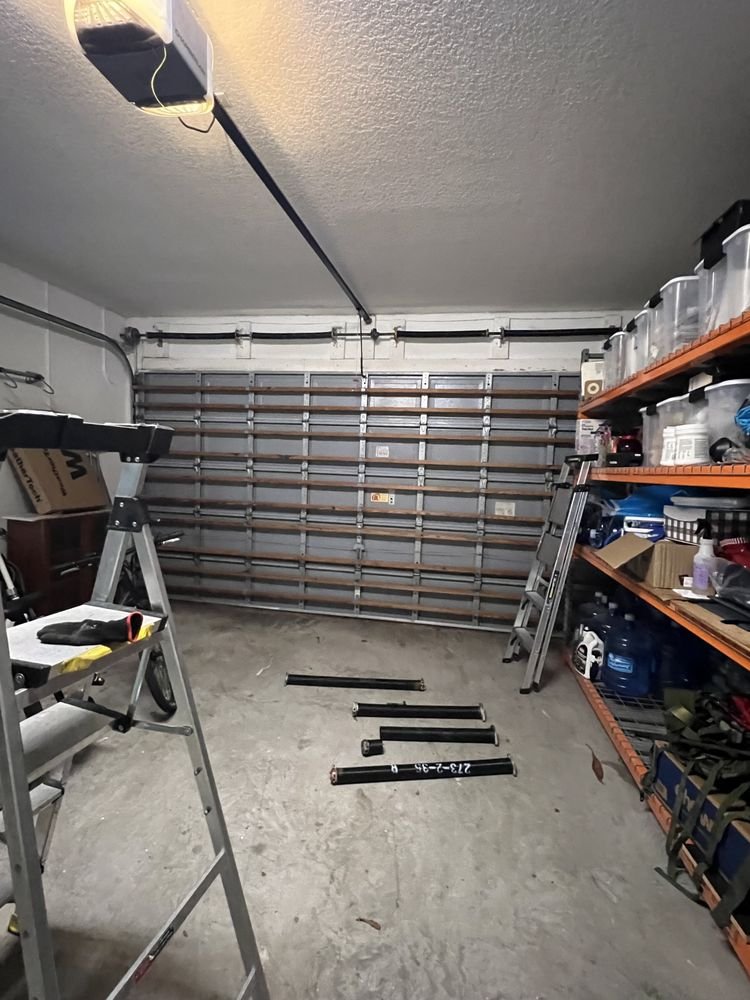
The company describes its own spring repair as a four-step job. A technician inspects the springs, cables, rollers and hardware to confirm what failed, removes the broken spring, installs a new torsion or extension spring matched to the door’s weight and size, then runs the door through several cycles to check its balance. The company stocks the parts that commonly fail on LiftMaster, Clopay, Amarr and Chamberlain doors, which is why most repairs are finished in a single visit instead of a return trip.
Its work reaches beyond the home garage to commercial overhead doors and to sliding, swing and automatic gates. The company is open from 7 a.m. to 11 p.m., seven days a week, and its staff speaks Spanish as well as English.
If a customer hears the estimate and decides not to go ahead, the company says plainly that this is an acceptable answer. A Miami customer who had a door repaired described a technician who explained the problem and fixed it without trying to sell anything that wasn’t needed.
The company’s safety advice ends with a test it suggests running every few months. Set a roll of paper towels flat on the floor in the door’s path and close the door. It should reverse on contact.