Window Genie grew from a Cincinnati home office into a franchise its founder had to learn to run
Rik Nonelle turned a small window cleaning company into a national franchise, then had to work out why his system succeeded for some owners and not for others.
Cincinnati, OH
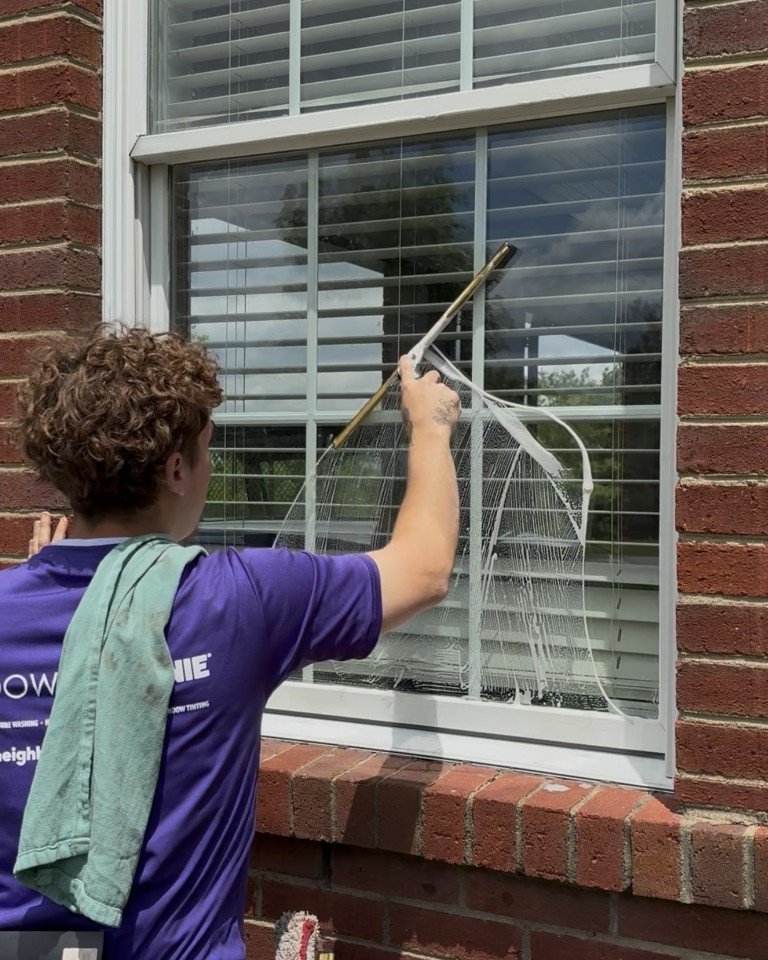
Rik Nonelle couldn’t say how the book reached him. He remembered that he read it in a few hours. It was Michael Gerber’s The E Myth, and by the time Nonelle picked it up, the window cleaning company he had started from scratch in Cincinnati was awarding franchises across the country. Something about that was bothering him.
“As we started awarding franchises across the country, I struggled with the fact that not everyone was making the business as successful as I was and as other franchisees were,” Nonelle told 1851 Franchise in 2017. The book, he said, “answered questions that I was struggling with.” He went on to send it to franchise candidates, and everyone in his office had read it.
That problem runs under the whole history of Window Genie: how to take a business that works in one man’s hands and make it work in other people’s. Nonelle founded the company in 1994 as a small window cleaning outfit run from his home office. It began franchising in 1998. In 2016 he sold it to the Dwyer Group, a franchisor based in Waco, Texas, and Window Genie has been a subsidiary of Neighborly, the umbrella Dwyer created for its home-service brands, ever since. Dwyer, Nonelle said in 2017, answered to a private equity group. By then Window Genie had about 116 locations.
Nonelle came to window cleaning from an office job. “Twenty years ago I left the corporate 9-5 world to build a business from my home office for myself,” he said in a 2013 company announcement carried by Franchising.com. He was more pointed with 1851 Franchise. “I’ve been an entrepreneur since I was 30,” he said. “I took everything that I didn’t like about being an employee at a traditional corporate job and changed them up.”
“I was a guy who started this business from scratch, so failure wasn’t an option,” he said in the same interview. “I worked hard, built the business and five years later we were franchises.”
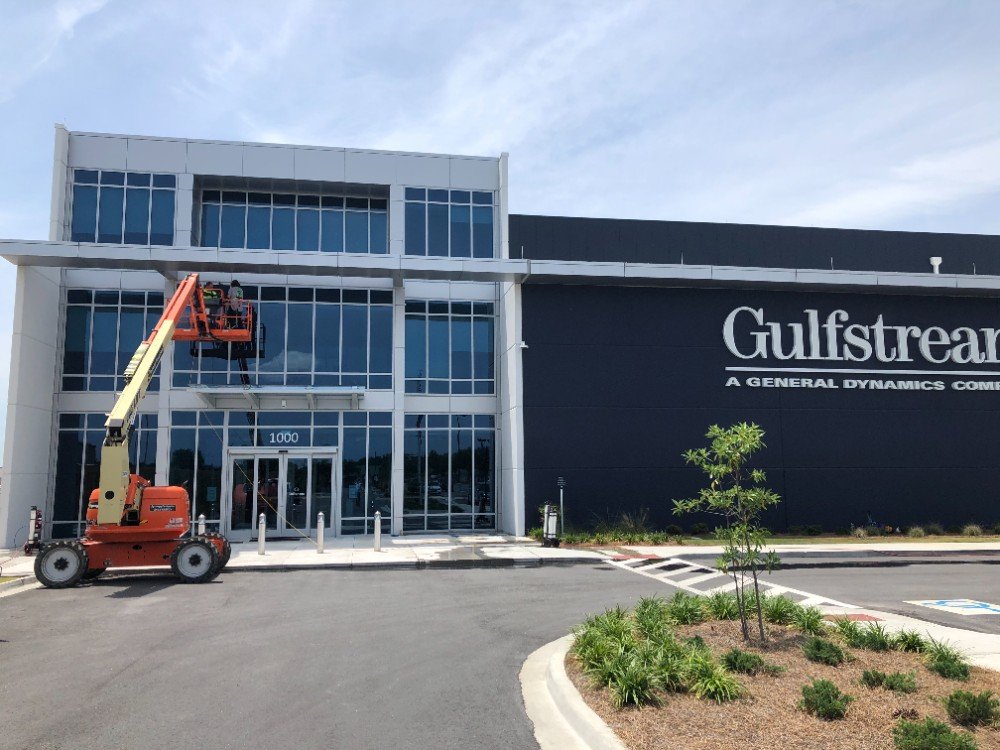
The work grew sideways before it grew outward. According to the company’s published history, pressure washing and gutter cleaning were added shortly after the founding. Window film followed in 2000, and holiday lighting in 2015. By 2015 the company was offering the Envision line of 3M window films. Its photo gallery shows the range of the jobs: fences and concrete stained by iron deposits, gutters full of debris, red and white alternating holiday lights, and light installations on houses in Lexington, Kentucky.
By 2013 the business that began in Nonelle’s home had moved its corporate team into a 25,000-square-foot facility in Cincinnati. That year Entrepreneur ranked Window Genie No. 44 on its list of top franchises that can be run from a home office. Starting at home was common among the owners, according to the company. Many later moved into a small commercial space or a garage once they had a growing staff, several work trucks and inventory to store.
By 2015 the system had 79 franchise partners operating in more than 200 territories across 24 states, which meant many owners held more than one territory.
Gerber’s book changed how Nonelle looked at those owners. Buying a franchise, he came to see, “isn’t going to lead to success automatically.” The book made him ask “what I wanted, why I got into the business and what I’m doing with myself every day,” and it “changed my focal point of how I started approaching franchising and owners coming on board.”
The owners who signed on came from all over. Steve Sarafin of Sparta, New Jersey, bought in around 1999, when Window Genie was still a young company. “Prior to Window Genie, I always worked for other small business owners,” he told Franchise Business Review in 2019. “With no formal education and a strong work ethic, I always knew I would own my own company.”
Joe Delatte opened in Virginia Beach in 2015 after many years in marketing roles at Cox Communications and The Virginian Pilot. His territory ran from the Oceanfront to Little Creek and from Chic’s Beach to the Courthouse, along with nearby parts of Norfolk and Chesapeake. He had a son, three daughters and four grandchildren, and he wanted work that fit around them. “I wanted a business I could earn a good living running, but that didn’t take me away from family on nights, weekends or holidays,” he said in the opening announcement carried by Franchising.com.
That same year, Jorge Torres opened a location in The Woodlands, Texas, to serve nearby communities including Spring, Magnolia and Tomball. He had spent his career in corporate law in Mexico City. “Business ownership was attractive to me because I’m not the type of person who can work at a desk all day, or stay in one place,” he told Woodlands Online in 2015. Before committing, he spoke with current franchise owners, and “all of them with no exception told me I would be dealing with very decent people at the corporate office,” he said.
Nonelle put weight on those conversations too. “Prospects can tell if you and your franchisees are on two different paths,” he told 1851 Franchise. “It comes out during validation calls.”
In 2011 the company started a program called Window 4 Wishes, which encouraged franchise owners to support local charities, churches and schools with donations, volunteer work and free Window Genie services.
Nonelle built the Cincinnati headquarters to keep people. The office had a ping pong table and basketball hoops. “Our team isn’t made up of clock watchers,” he told 1851 Franchise in 2017, and he said the company had lost only two employees in its 15-year run.
When he sold to the Dwyer Group, he set a condition. “One of my rules in selling the company was that my team remained on board,” he said about a year after the deal. His days changed anyway. Before the sale, everyone reported to him. “I set a path and off we went,” he said. Afterward his calendar filled with planning sessions with the corporate team in Waco and with the work of keeping Window Genie in step with 12 other brands. He set a goal of 250 locations and said most people signed on because they wanted to be part of a national brand.
He was plain about where his own hands were by then. “I may not be out in the field cleaning windows, but our franchisees know that I’m here every day working hard on their behalf to build the business and fuel growth,” he said. “I’m not a golfer or a beach sitter. I work very hard for this company. I think that’s especially important in a blue-collar business.”
He did not consider the job finished. “I won’t feel like our mission is accomplished until we tap into that national recognition,” he said. “So, I’ll be doing this as long as they’ll have me.”