Before Pro Co. had much of anything, it had Big Red, a 2001 Chevy. As the company tells its own history, the truck started the business and hauled it through its early work. She kept running until she reached what the company calls the 350k club, and that milestone pushed Pro Co. into its next chapter. The company takes a lesson from her. If you know how a machine works, you don’t guess at what’s broken. You trace the failure to its source and repair that. Covering a problem over and calling it fixed doesn’t count.
Vincent, who owns the company with his partner Sophia, applies the same idea to paperwork. Pro Co. hands over its numbers. “We show detailed invoicing, and we show detailed estimates that show everything from our overhead to markup to the actual scope of work to the labor and the material,” he says. “We’re very transparent, so you see exactly what it is that we do and you know what you’re paying for.”
The paperwork comes with a guarantee nobody has to ask for. Every installation Pro Co. does carries a 12-month workmanship warranty, applied automatically. “Everything that we touch,” Vincent says.
The business is incorporated as Catlin Regis Inc. and operates as Pro Co. Vincent came up in construction. Sophia is certified in construction and worked for large firms, including Clark Construction and Servpro, before the two of them decided to work for other general contractors and then strike out on their own. They got their Maryland Home Improvement Commission license, the insurance and registrations, and certifications that include mold remediation, and launched the company together.
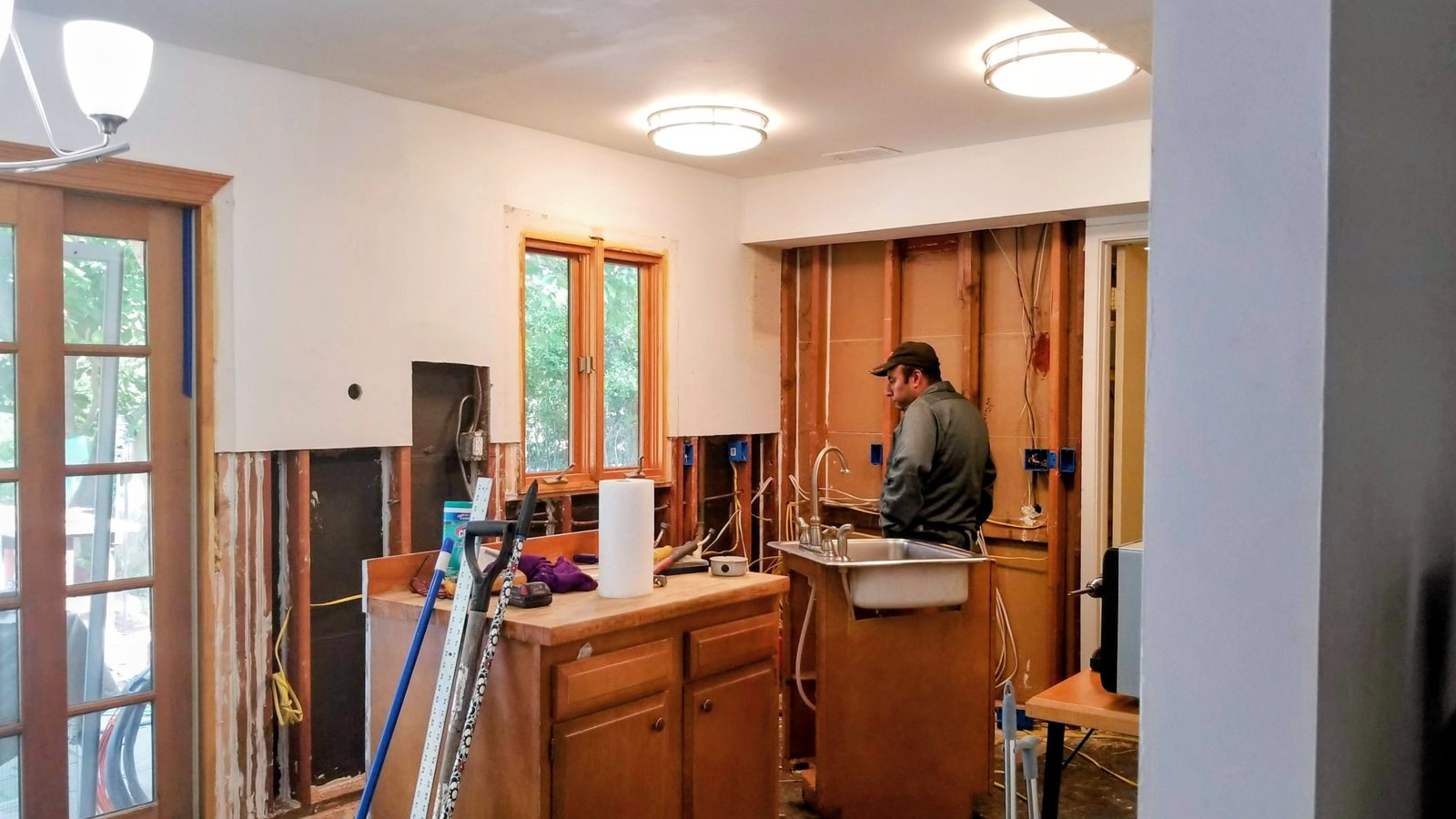
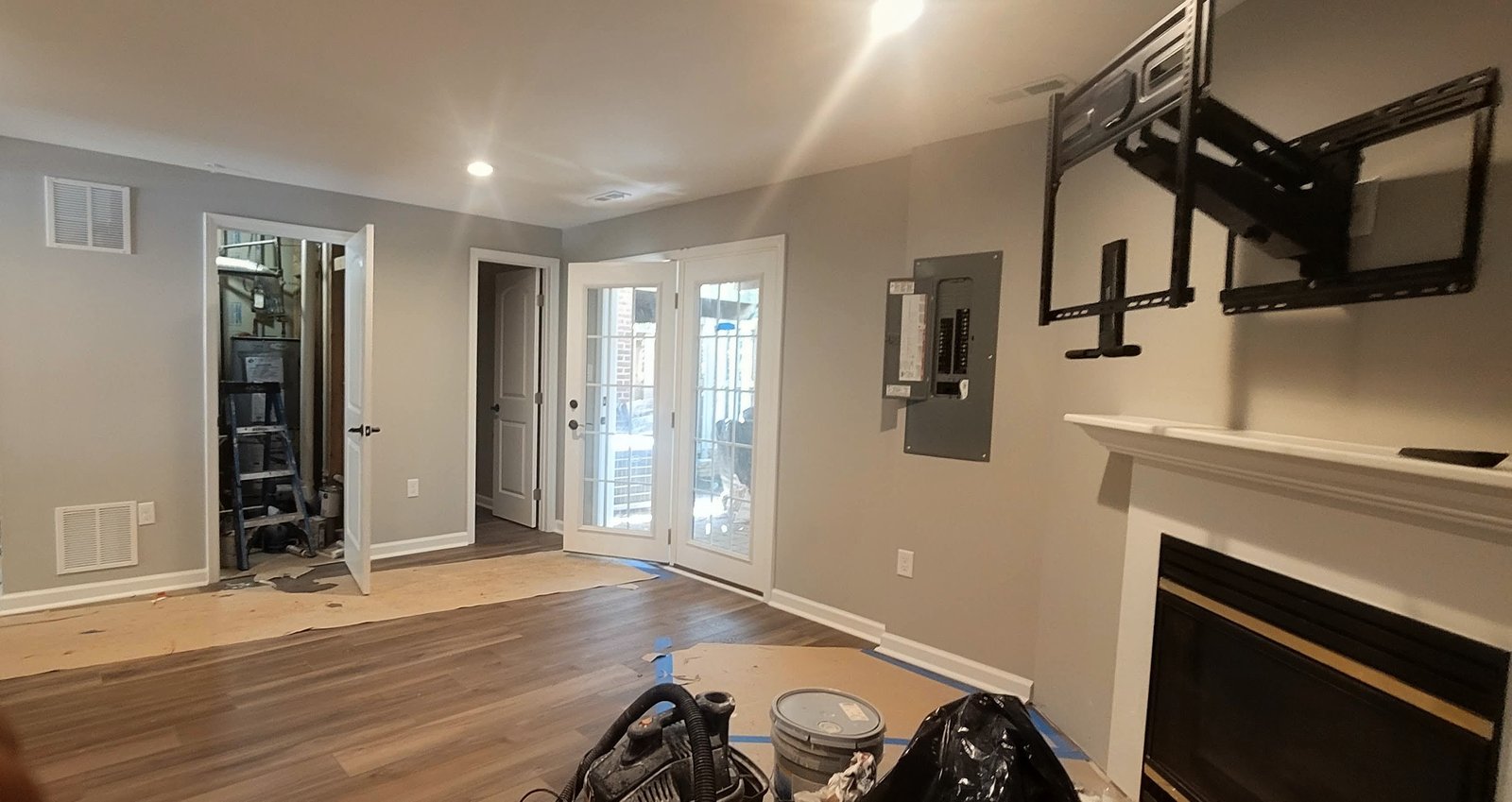
They started with residential renovation and remodeling, and that is still the core. “The hub of our business has been residential remodeling and renovations,” Vincent says. He doesn’t call it a preference, only the work they have done longest. Pro Co. takes on commercial projects depending on their size and scope, and Vincent says the company wants more of them. On its site, the company describes building out empty commercial interiors and turning over finished, ready-to-rent units for apartment complexes.
How far the crews travel depends on the job. Vincent says he can’t take work in Virginia, which requires its own license; the Maryland home improvement license doesn’t carry across the river. Delaware and certain parts of Pennsylvania are within range. Anything farther takes a job big enough to justify the trip.
Vincent describes reliability mostly as a matter of telling people things before they have to ask. If a start date is going to slip, the customer hears about it in advance, or the morning of if an emergency comes up. “We always communicate,” he says. When something goes wrong after the work is done, the company asks for the chance to come back. If the cause is Pro Co.’s responsibility, it fixes it. If it isn’t, he says, the company explains to the customer what happened and why, and returns to fix it if the customer wants.
He holds anyone working under the company’s name to that. “It’s an expectation,” Vincent says. “If you work with us, even as a subcontractor, there’s a certain parameter you have to operate within because you represent us.”