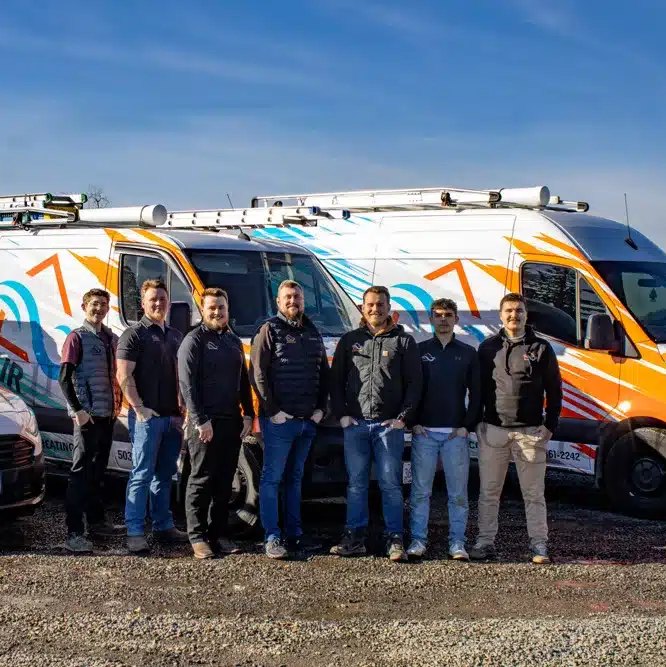
“Half of the stuff that was proposed we were not installing, and it just felt wrong. Felt very, very wrong.”
Damien Chernishov is describing his early years in HVAC. He was learning the trade as an installer for companies that promised customers more than their crews put in, and the companies still collected the homeowner’s payment. “It’s hard-earned money from our clients,” he says, “and I want them to understand that they’re receiving everything and some.”
He had always worked in construction. His father was a contractor in a different trade, and Chernishov wanted something of his own that still kept him on the tools. He tried HVAC and calls it his calling. He says he loves it as much now as he did on the first day.
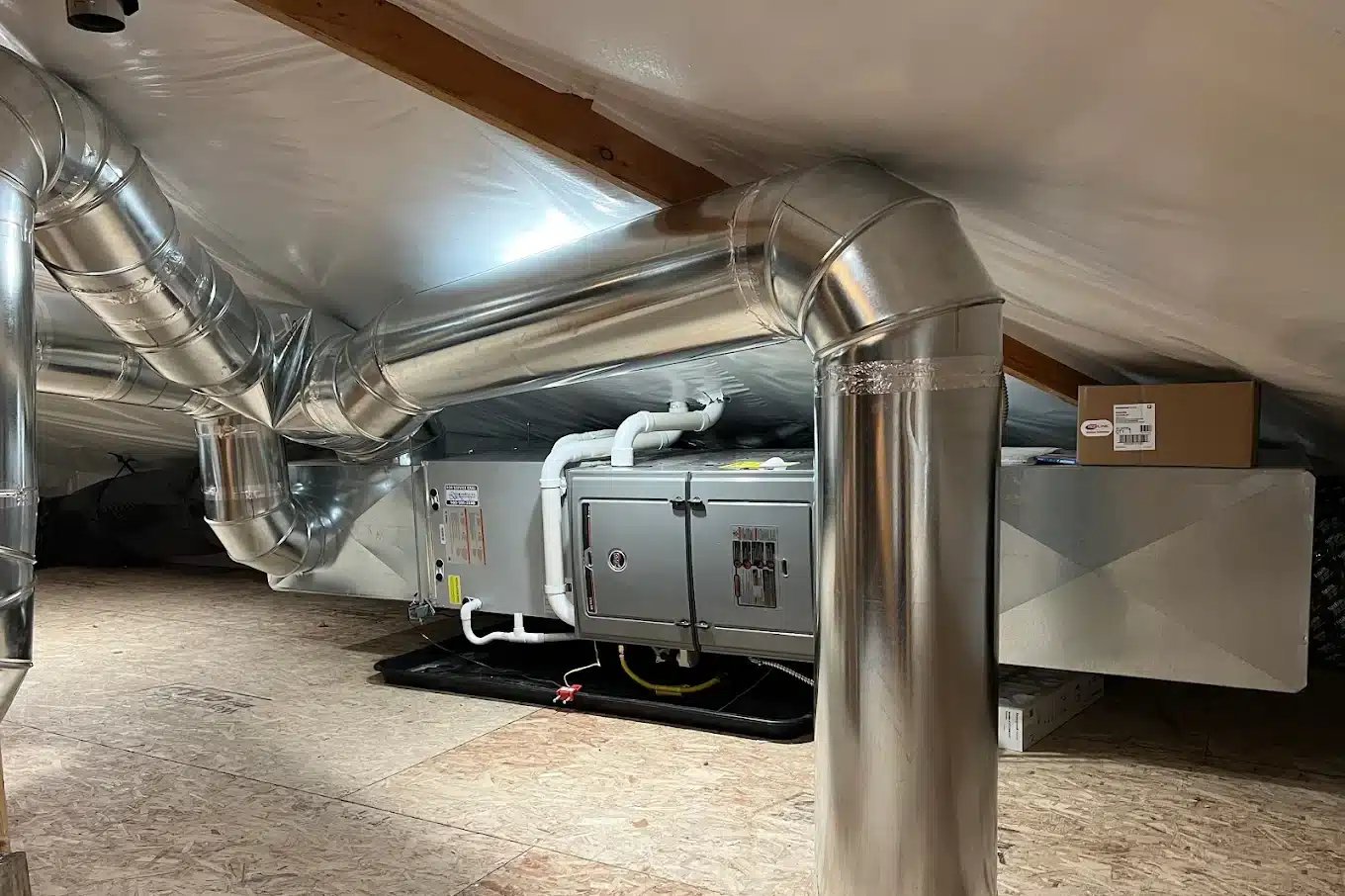
The Silverton heating and cooling company he built “from scratch, ground up” runs on the opposite rule from those early jobs. He is its only owner. The company installs and services heating, cooling and air quality systems for homes and businesses, from custom new construction and multifamily buildings to remodels and retrofits.
The rule reaches past the contract. If the crew tells a customer a job will be done a certain way, Chernishov says, it gets done that way whether or not the paperwork says so. “If we say we’re going to be doing it this way but yet it’s not written on paper, we’re going to do it regardless,” he says. One customer who had new venting run through the roof later described how Chernishov laid out exactly what he would do and then did it, capping each penetration, tying it into the existing roof and waterproofing it.
Quotes follow the same discipline. Chernishov says a customer gets a number on the spot or within 12 to 24 hours, depending on the size of the project, and never later than that. Past that point, he says, details start to slip. “If you start doing that, we start kind of losing the track of this job,” he says.

He gives an example: a small mini-split job, one indoor unit and one outdoor unit, the kind the trade calls a one-to-one. His crew happened to be in the area, so they stopped in, walked the homeowner through her options and quoted the job that day. She was impressed, he says, that anyone answered the phone, came out and gave her a price the same day. “We actually show up,” he says.
He knows how his trade sounds to a homeowner. “The rep of a HVAC is not usually the best,” he says. People have heard about scams, and trust comes slowly. In the early going, he says, he sat down with his crew, some with him since the beginning and some who had come up at the same companies he had, and they agreed on how the work would be done.
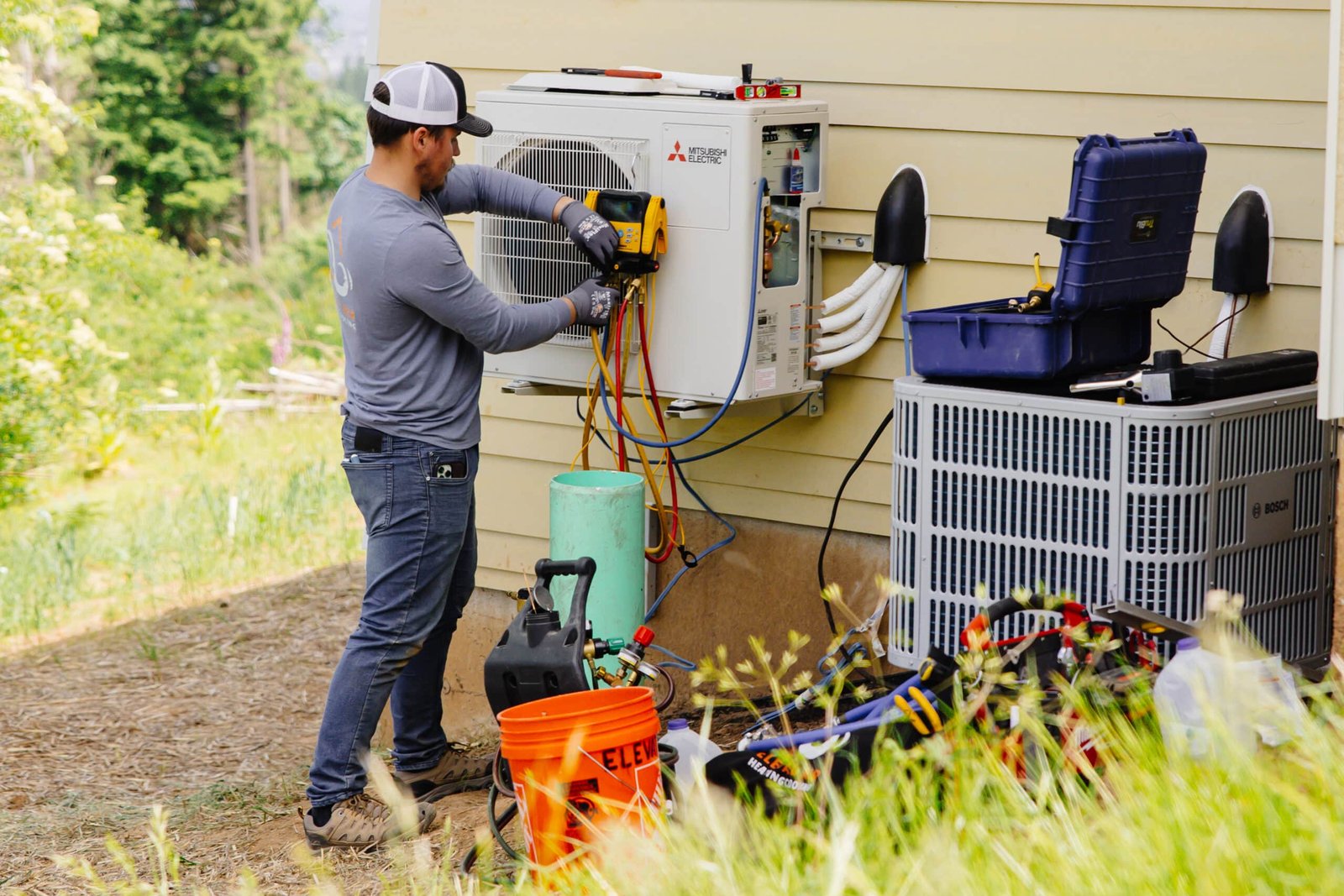
Keeping it that way falls to him. He has managers in place, he visits job sites and he talks with his people every day. When a customer calls to say something was missing or not installed right, he takes it to the crew, and they go back out for a site visit or a callback and usually set it right.
He has watched what happens when an owner steps away. “I’ve been a part of companies where they’ve sold to bigger networking companies, and again you’re losing that trust and that relationship with the homeowner,” he says. He would not want to do that to his customers. When the day comes that he can’t run the company, he hopes to hand it to someone on his own team who cares about the work as much as he does.
“I would really like to pass it on to someone here in the company where they can continue it and provide the service just as well, if not better than what I can,” he says.