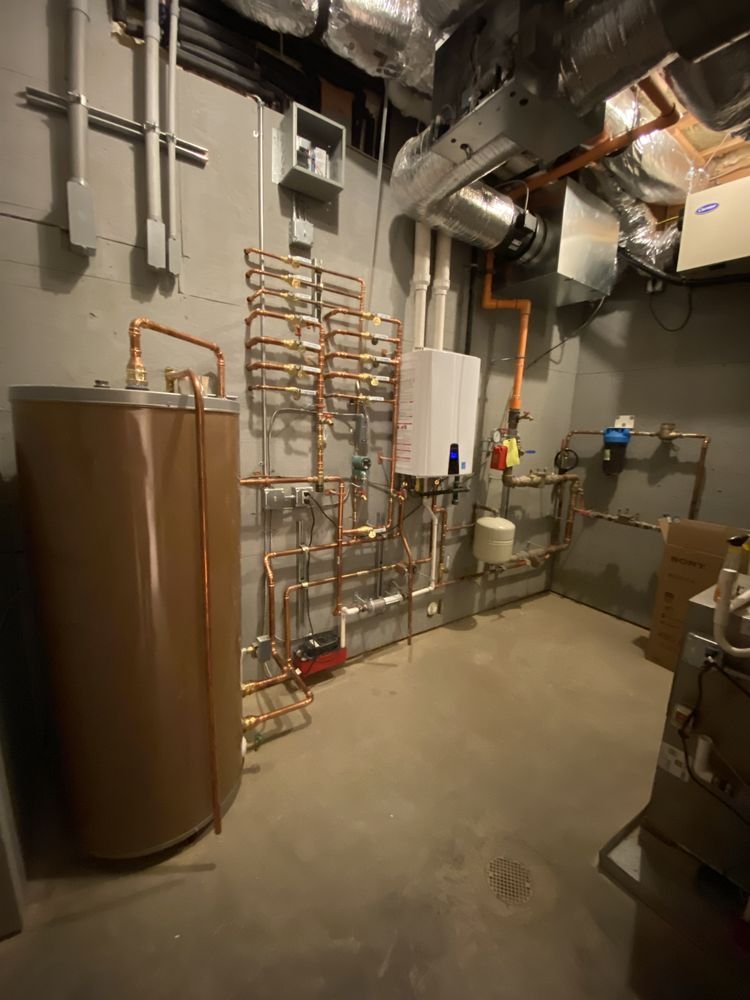
When layoffs came to the commercial contractor where Justin Michael worked during COVID, he volunteered. “I raised my hand to get laid off,” he says. He had a plumbing business on the side, and with it a second income. Some of the other guys on the job had no such cushion, and he preferred that they keep their jobs.
He got through it without a boom or a bust, he says. The contractor hired him back as vaccines started coming out and people returned to work in commercial buildings.
That side business was JM Pipeworks LLC, which Michael formed in 2016 and runs from Bethel. It grew out of requests. By day he was putting up high-rises, hospitals and sports complexes, and people who knew him kept asking whether he could replace a water heater or deal with a toilet. He set up the company, he says, so he would have insurance and some protection from liability when he took on that work.
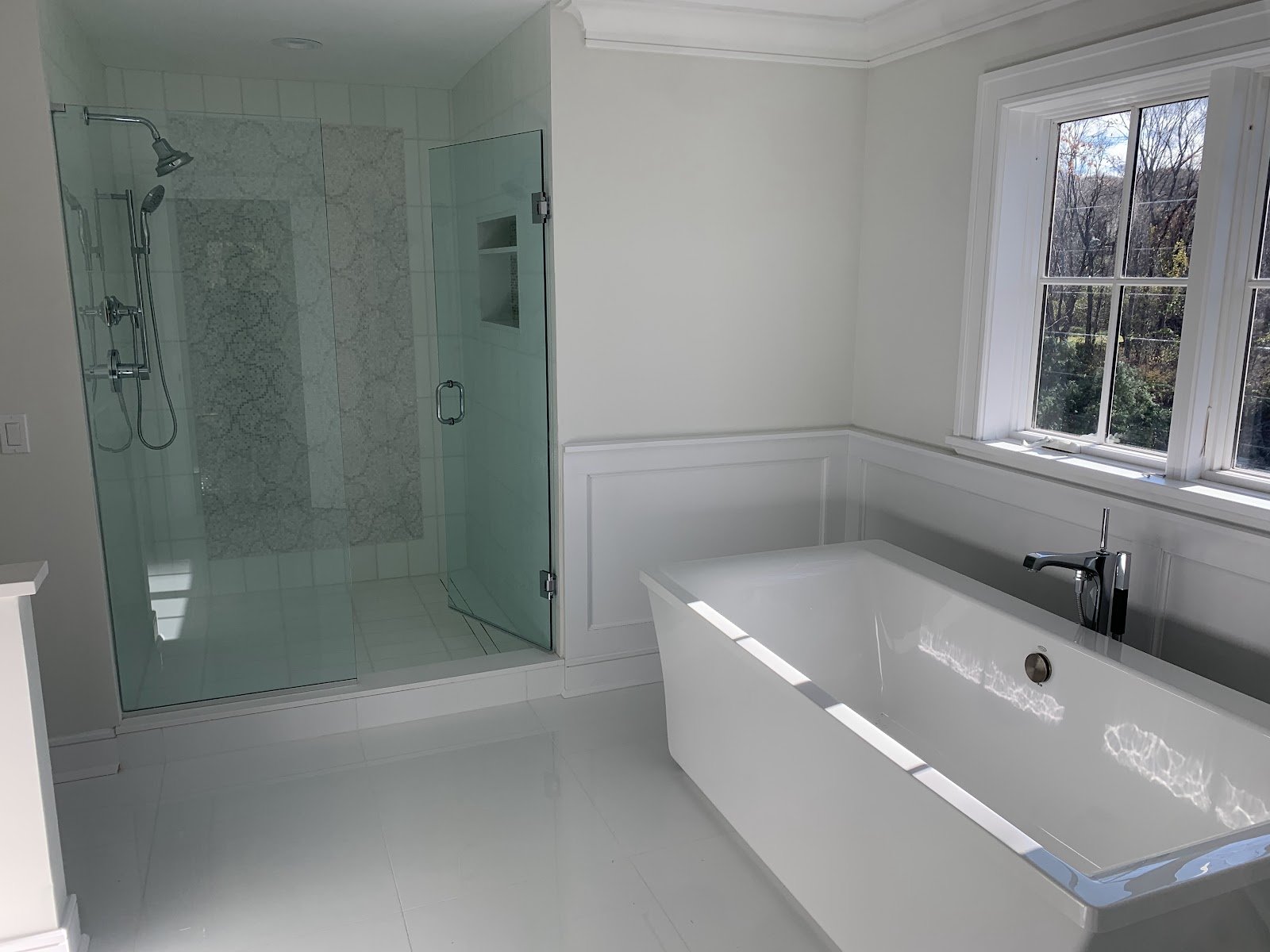
The commercial schedule made room for it. That work generally runs from 6 a.m. to 2 or 3 p.m., which left his evenings for residential customers. For years the two lives ran side by side. Some of the contractors he worked for had non-compete clauses that kept him from doing commercial work of his own while he was, in effect, running the plumbing end of their commercial business. He went out on his own more than once, focusing on homes, and after one stretch of a year and some change he went back to working for someone else.
When the last company he worked for was sold, he took the opening to do commercial and residential work under his own name. Adding the commercial side, he says, “added a lot of stability.”
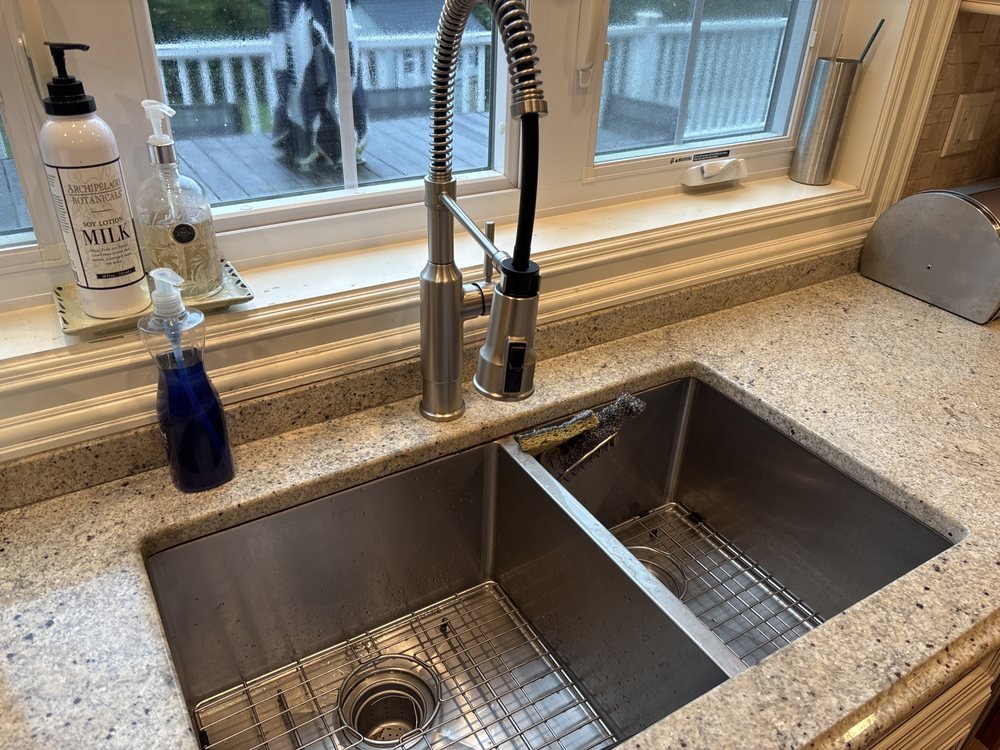
Commercial service is the work he would most like to be known for, because the customers come back and the buildings stop being strangers. He learns their quirks and their security, and each visit gets easier. “I’m headed back to this building for this issue, let me bring the parts I know I’m going to need because I’ve seen it before,” he says. Showing up prepared, in his view, saves the customer money. The fixtures of that world are flushometers, wall-hung toilets, sensor faucets and roof drains, and the company takes house calls too, in Bethel, Ridgefield, Brookfield, Danbury, Newtown and Redding.
Michael calls himself a one-man show, and the arrangement has a cost he does not hide. Sometimes a repeat customer has an emergency while he is tied up on another job. Losing that call bothers him, but he does not want anyone stuck with the emergency until he is free. He tells most of them so on the spot: “Please call somebody else so that you get your issue taken care of.”
When he can come, he tends to. The business keeps emergency service for existing clients. A customer whose water softener failed and flooded the basement recalled in a review that Michael was there within an hour and left his own pump behind for the night.
He traces the way he works to something he sees disappearing. “There’s not a lot of loyalty left in the world,” he says. A plumber, in his view, has to be someone customers trust to look out for their interests, or they will hem and haw over the bill.
He would like to build JM Pipeworks into a six-mechanic operation and make it the prevalent plumbing and pipe-fitting business in the greater Danbury area. The people he has in mind are mechanics he has worked with over the years, former coworkers from the commercial side. They are people “I don’t have to vet because I know who they are,” he says, and whose work ethic he already knows.