Merry Maids began with the Peterson family cleaning Omaha houses themselves
Before he sold a single franchise, Dallen Peterson and his family scrubbed clients’ homes to learn the work, then turned what they learned into a system strangers could run.
Omaha, NE
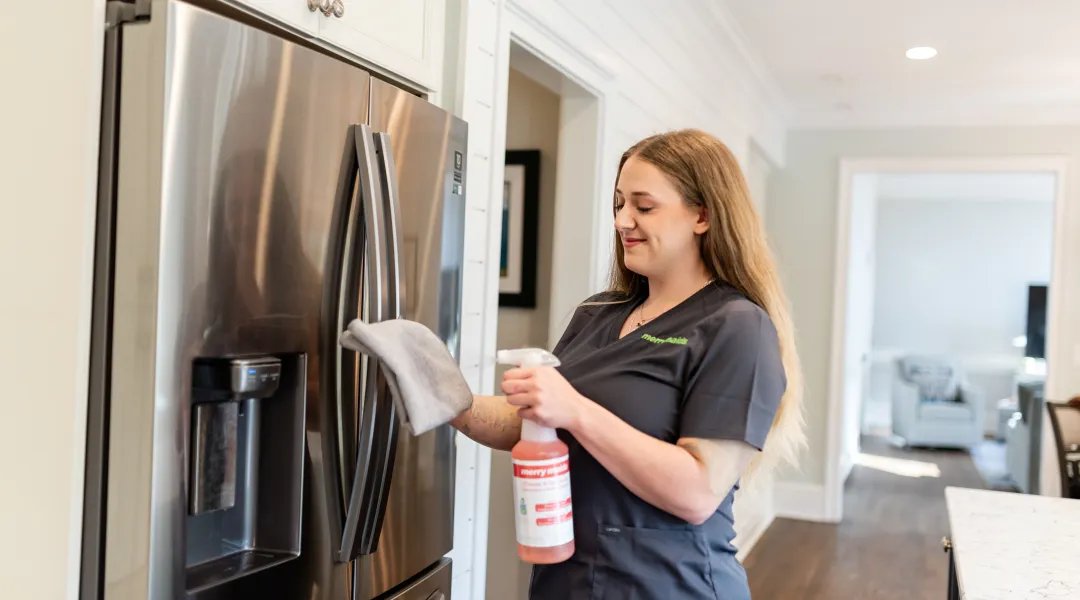
In 1979, before there was anything to franchise, Dallen Peterson and his family went out and cleaned other people’s houses. The business ran out of his home in Omaha, Nebraska. By the company’s own account, Peterson and his relatives did the cleaning personally because he wanted firsthand experience of what it took to get a house properly clean, and to do it the same way every time.
That start became Merry Maids. Peterson worked with his family to build what the company calls the Merry Maids system and then to franchise it. The company grew quickly and opened dozens of franchises within a few years. In 1988, ServiceMaster bought Merry Maids from the Petersons, and it has been a ServiceMaster company since.
How big the company became matters less than how it got there. A family worked out, house by house, how a cleaning visit should go. Then it found a way to teach that visit to people it would never supervise directly: owners who opened their own offices in their own towns and hired their own crews. The company describes its services as provided by independently owned and operated franchises.
The franchise arrangement shapes what a local owner has to manage. The job is bigger than sending people out with mops. The company writes that its office staff handles the paperwork and management details, including Social Security and federal, state and local taxes for the cleaners it employs. A homeowner who hires through a Merry Maids office does not have to deal with any of that.
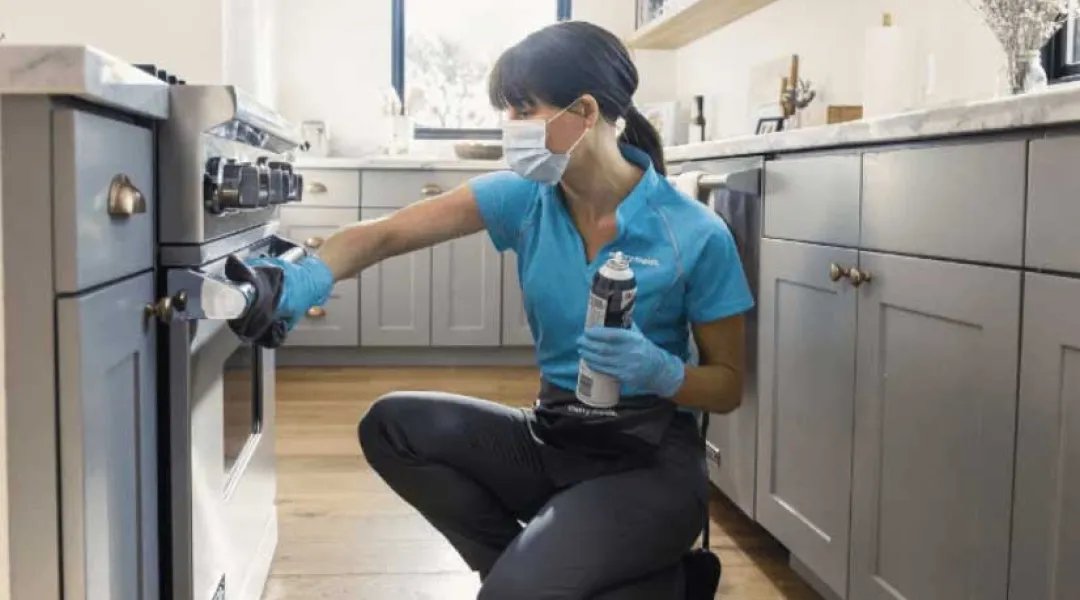
Hiring is part of the system, too. Merry Maids says applicants go through background checks and screening before they are sent into a client’s home. Every new employee then attends a weeklong training program, whatever their background or prior experience. Only after finishing it, the company says, is a new team member certified to clean.
The work itself is broken into steps. For regular weekly or biweekly visits, Merry Maids lists dusting windowsills and knickknacks, cleaning mirrors and glass, vacuuming and mopping, and polishing sinks, toilets, showers and tubs. Crews wipe the outsides of the oven, stove and refrigerator, empty trash and recycling, and wipe down furniture and cabinets. The company recommends a weekly or biweekly schedule so that dirt and dust never build to the point where a heavier cleaning is needed.
The one-time detailed clean goes further into the corners. The company’s published checklist has crews wet-wipe doors, door frames, doorknobs and light switch plates. They wipe ceiling fans where they can reach them, along with hanging light fixtures and vents. They dust lampshades and vacuum the tops of curtains and drapes. Carpet gets vacuumed, edged and groomed. Toilets are cleaned and disinfected inside and out, and crews disinfect high-touch spots such as faucets and switches. The company says it keeps separate detailed procedures for each room in the house, and suggests most homeowners need a deep cleaning every six to 12 months.
Customers also ask for particular jobs. Among the requests the company lists as common are de-griming baseboards, cleaning inside cabinets, pulling pet hair off furniture and decluttering closets. If one part of a house is especially cluttered, the company says, a team can spend its whole visit there.
Post-construction cleaning takes a different kind of care. Contractors usually haul out the major debris, the company notes, but that tends to be surface work. Merry Maids says its crews clear sawdust, dirt and scuff marks from rooms where the baseboards, trim and door frames may have just been painted, stained or lacquered. The trick is getting the debris off without scratching the new finish or lifting the fresh paint. The company also says its teams have experience cleaning unfinished woodwork without damaging the raw wood.
The network spread far beyond Omaha. By 2007, according to J.R. Rich’s The Unofficial Guide to Opening a Franchise, Merry Maids had 1,400 independently owned and operated franchises worldwide and more than 8,000 employees. The brand also reached Canada and the United Kingdom.
Recognition followed. Merry Maids first earned the Women’s Choice Award in cleaning services in 2013, an award based partly on satisfaction surveys of female customers.
A different sort of recognition came from Pennsylvania. In 2015, the state gave the Merry Maids franchise in Northampton a Governor’s Award for Safety Excellence. According to the state’s annual workers’ compensation and workplace safety report, the franchise had gone more than 1,580 days without a work-related injury and had recorded no work-related fatalities in 23 years of operation.
What customers mention, judging by the reviews the company publishes, is mostly the people. Several reviewers name their cleaners outright. One customer wrote in a review that only a particular pair is allowed to clean the house, and told other customers, “Ask for these two.” Another wrote of keeping the same team for years and not wanting to change a thing. One reviewer had a move-out cleaning to get through before flying back to hand in apartment keys, with only a Saturday free, and wrote that the crew worked around the schedule. After moving to Dallas, he signed up with Merry Maids there too. In a franchise system, that means a different local owner and a different crew, trained on the same procedures.
Another customer, getting ready to move and host an open house, wrote that there was dog hair everywhere and the crew got all of it.
Some of the people who bought into Peterson’s system early stayed with it for decades. The company writes that many franchise owners who purchased territories in the early years brought their children into their businesses and kept working in them themselves. Several branch managers, it adds, began their careers on the cleaning teams.