Long Fence started in a decommissioned city bus in 1945
A Washington fence business that began in a decommissioned city bus passed from father to son, then split the Long name between two branches of the family.
Capitol Heights, MD
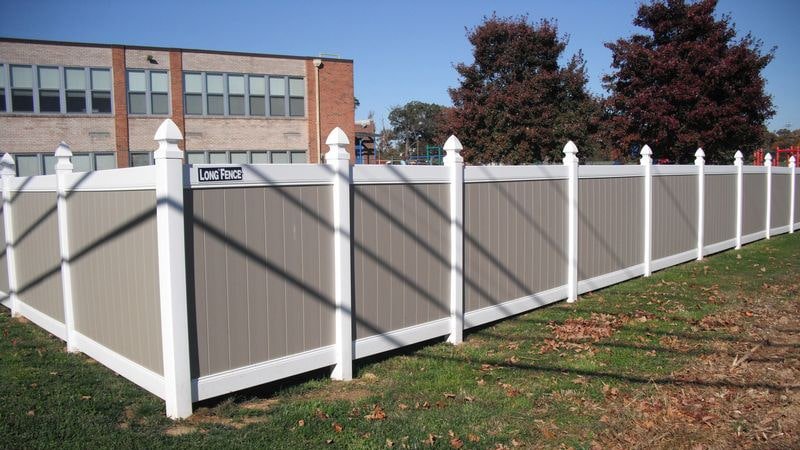
The first office of Long’s Fence Co. was a decommissioned city bus. Henry “Tots” Long set up shop in 1945 at the corner of 18th Street NE and Rhode Island Avenue in Washington, not far from the U.S. National Arboretum. He had left his job at the D.C. Department of Public Works to do it.
The company’s sign outlasted that first office. A company history published by the family’s sister business describes a familiar blue-and-white fence sign that is hard to miss anywhere in the Washington area. In the decades since, the business has worked on ballparks, rail lines, a hospital courtyard and a great many suburban backyards.
The company’s size is not what makes the story worth telling. The more interesting part is how it moved through one family. A son came home from sea and bought the company from his father. Much of its early success came from an unglamorous product, prefabricated dog runs. In the 1990s a home products division spun off into a separate company carrying the Long name, while the fence business passed to one of Bob Long’s daughters and her husband. Long Fence is family-owned, as it has been since 1945.
Henry’s son, Robert, finished a stint in the U.S. Merchant Marines in 1948 and returned to the neighborhood to join the family business. According to the family’s published history, it was a business he had supported with his service pay.
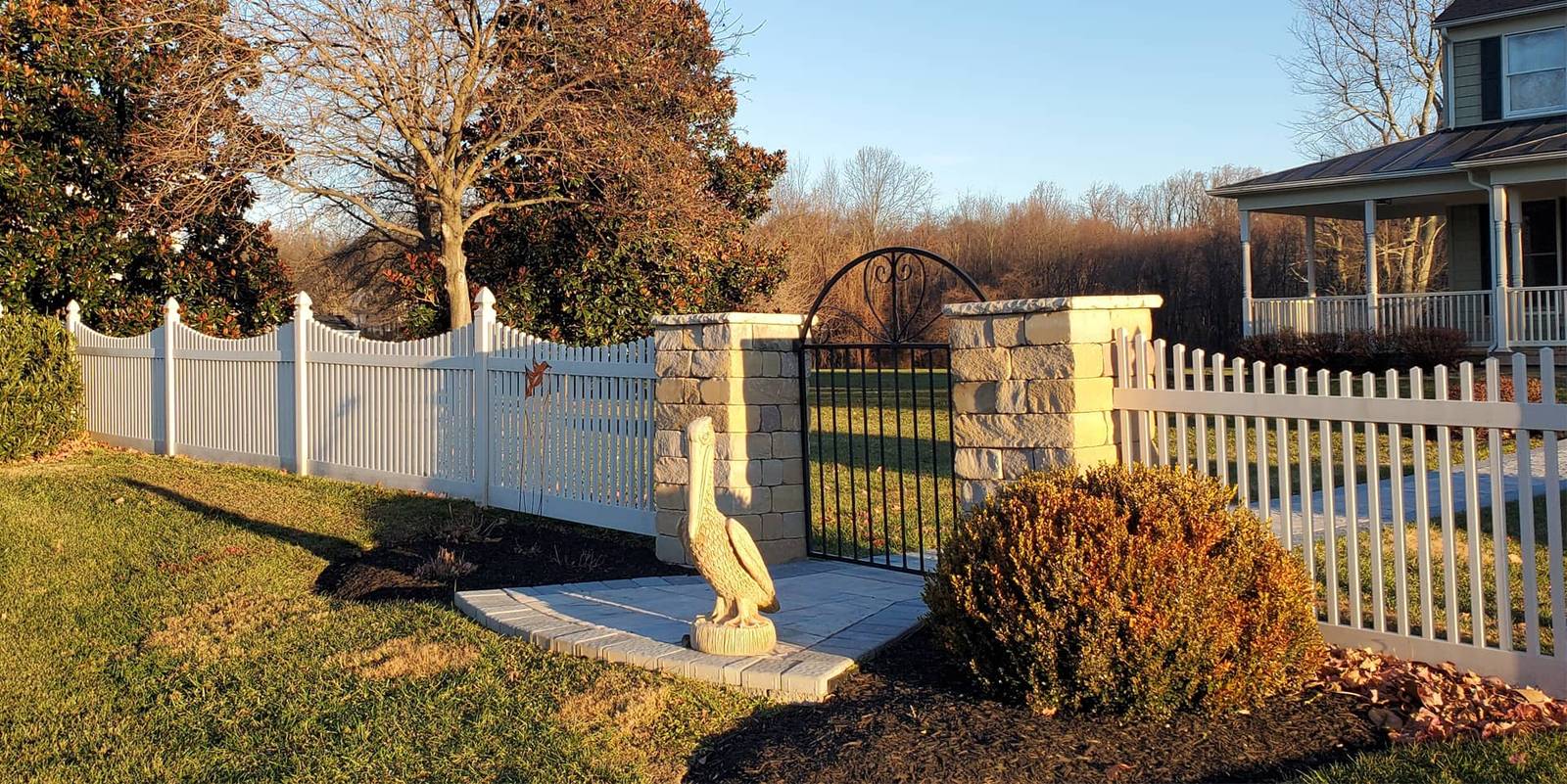
In 1961 Bob Long bought the company from his father. The company dates its tradition of being family-owned and operated to that purchase. Under Bob, the name changed to Long Fence, and the small business grew into a regional operation.
A large part of that early success came from a product the company called Long Environmental Systems: manufactured chain link panels that could be bolted together quickly to form dog runs. Over time the company added decks, gazebos, screened porches, sunrooms and hardscape work. It now also builds patios with built-in barbecues, installs retractable awnings and lays paver driveways, alongside the fences that gave it its name.
The offices grew in the same improvised way the company began. The Virginia office started out in what had been a gas station. In the 1970s the company expanded into Capitol Heights, Md., and that site remains the headquarters. The Montgomery County office began as a set of office trailers and moved into a full building in the 1990s. In 2010 the company left its office in Crofton, Md., for a larger, modern building in Odenton.
The turn that shaped the family’s second half-century started with a hire in the mid-1980s. John DePaola joined Long Fence as manager of its ornamental iron division. He moved into the installation department, then became general manager of automatic gate openers. In less than a decade he was vice president of business development.
DePaola married into the family. His wife, Jill Long DePaola, is Bob Long’s daughter. With nearly 50 years of recognition behind the fence name, Bob Long decided to put it to work on something besides fences. He set up a home products division and gave the opportunity to DePaola, who rolled out a new brand, Long Windows.
In 1994 the division was renamed Long Fence and Home. Within two years it had become a separate company. Doors, siding, roofing and bath brands followed, all carrying the Long name. The new company went its own way. Its roofing arm opened an office in Charlotte, N.C., in the final months of 2016, which Patch described as the company’s first push outside the Washington metro area.
The fence company stayed on its own track. Bob Long passed ownership of Long Fence to his daughter Barbara “Bobbie Lee” Long Ritter and her husband, Mike Ritter. So two of his daughters’ families each ended up with a business bearing their father’s name, one built on windows and roofs, the other on fences and gates. Long Fence says five generations of the family have been associated with the company since 1945.
A homeowner who wants a fence starts with a free estimate. A local project manager plans the job, and a crew builds it. Customers choose among wood, vinyl, aluminum, chain link and ornamental iron, in whatever height local rules allow. The company says it designs pool barriers to meet the District’s enclosure and gate requirements. It also builds pet fencing for backyards and neighborhood dog parks, which is close to where the business started.
The commercial side is a different kind of work. Long Fence describes itself as a perimeter security contractor for government, industrial and commercial sites, with jobs that include anti-ram fencing and gates, bollards, automated gates and razor ribbon. The company says it has sent dozens of workers out on short notice to put up temporary security fence around critical infrastructure in Washington without stopping its other jobs.
Its project list reads like a map of the region’s public life. Long Fence worked as a subcontractor to Dulles Transit Partners on the Silver Line Metro extension. At Gallaudet University it put in a new perimeter chain link fence and backstop netting. At Turner Elementary it installed 8-foot ornamental iron and chain link fence and gates. It replaced the fence at North Kehoe Field at Georgetown University and relocated the perimeter fence during a renovation at FedEx Field. Crews from the Odenton branch installed more than 600 linear feet of stainless steel cable railing in the entry courtyard at Johns Hopkins Hospital, and a chain link mesh protective cover for the scoreboard at Oriole Park.
The company has also managed fencing work for Amtrak and for sports facilities along the Eastern Seaboard. Those include Audi Field, home of D.C. United, and, far to the south, the Ballpark of the Palm Beaches in Florida, the shared training home of the Washington Nationals and the Houston Astros. The company says it handles large government and commercial fencing projects across the country, including in places where it has no office.
Not every job was a stadium. For the Lardarius Webb charity softball event, Long Fence supplied more than 300 linear feet of temporary fence panels. The new White Oak Recreation Center, a 33,000-square-foot building in Silver Spring, got its fencing from the company.
And in Hagerstown, Md., Long Fence crews installed chain link for a new dog park. It was chain link built for dogs, the kind of work that carried the company through its early years.