
When Jordan was getting out of the Army, the service ran classes to help soldiers move into civilian work. His covered manufacturing, control work and electrical. He had done supply in the Army, and he says he ended up in electrical work purely because of a YouTube video he watched around that time.
After the video, he called a company. They told him to come work.
“Believe it or not,” he says, he did not like it at first. Construction was the reason: long days spent on one site, in the same place from start to finish. “I still don’t like construction,” he says. “That’s why I do service work.”
Service work is what turned the trade around for him. “Once I started doing service work, then I really started to love it, because you get to meet different people and see different things and go different places,” he says. Most of his jobs run two to four hours. The longest he books is two or three days. By his own count he has been in electrical work since around 2019 and has run Watts Good Electrical Services since 2025, driving all over the Charlotte area for homeowners and for commercial customers, including management companies and commercial vendors.
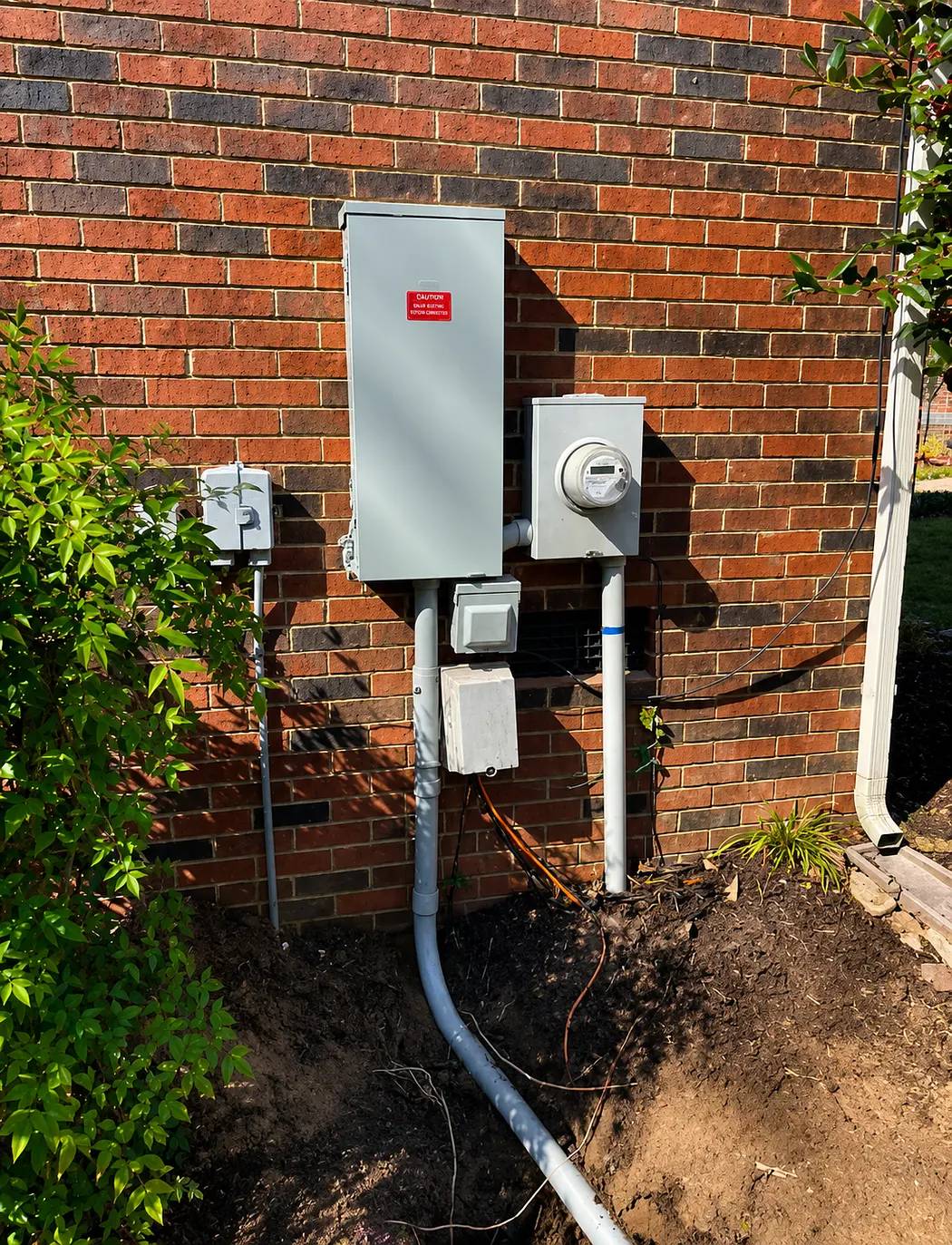
The short job suits what he says he does best, which is troubleshooting. A house or a building has no power, and his work is getting it running again. “Coming into a situation, a house or building, and they have no power, and getting it back working, it doesn’t take me too long at that,” he says. If he could pick one job to do every day, it would be an EV charger or a panel at a home. On the commercial side he likes “running circuits here and there throughout buildings, bending conduit,” as he puts it. Sometimes the fix is smaller than the customer feared. One homeowner, bracing to have drywall torn open to reach a set of lights and a fan, wrote afterward that Jordan handled it with a wireless device instead.
His way with customers traces back to Charleston, where he is from. His father ran a towing company there. “I never seen my dad work for anybody,” Jordan says. Growing up around that business, he watched how his father responded to customers and how he put time into community events around Charleston. The two never shared a trade, but the example stuck. “I learned a little something off of it,” he says. When Jordan decided to go out on his own after working for a bigger company, his father was one of the reasons. “He gave me a lot of good pointers when it came to starting my business,” he says.
The Army added the discipline. “You gotta be up at 5:30, 6 o’clock every morning, go PT,” he says, then on to work, the same routine every day. That habit carries into his schedule now: he gives customers a two-to-three-hour arrival window and lets them know if anything changes.
He started the business out of his truck, and he still runs it close to the customer. He wants people to know who is coming before he knocks. “I want that person to see me before I even get to the job,” he says. Once he is there, he talks through the problem with people before anything gets done, because he wants them comfortable having him in their home. After he gives an estimate, he is the one who does the work.
On big-ticket jobs, a panel or a service upgrade being the usual one, he tells people to research it themselves before they sign anything, so the advice is not coming from him alone. “I always tell them do their research on it before they sign off on that ticket, just so they know what they’re getting into with it,” he says. “If you have any questions still, just give me a holler.” When a job needs an inspection, he walks the customer through the process, and afterward he follows up to see that they are comfortable with how it turned out, especially on the bigger jobs. He backs his work with a five-year warranty.
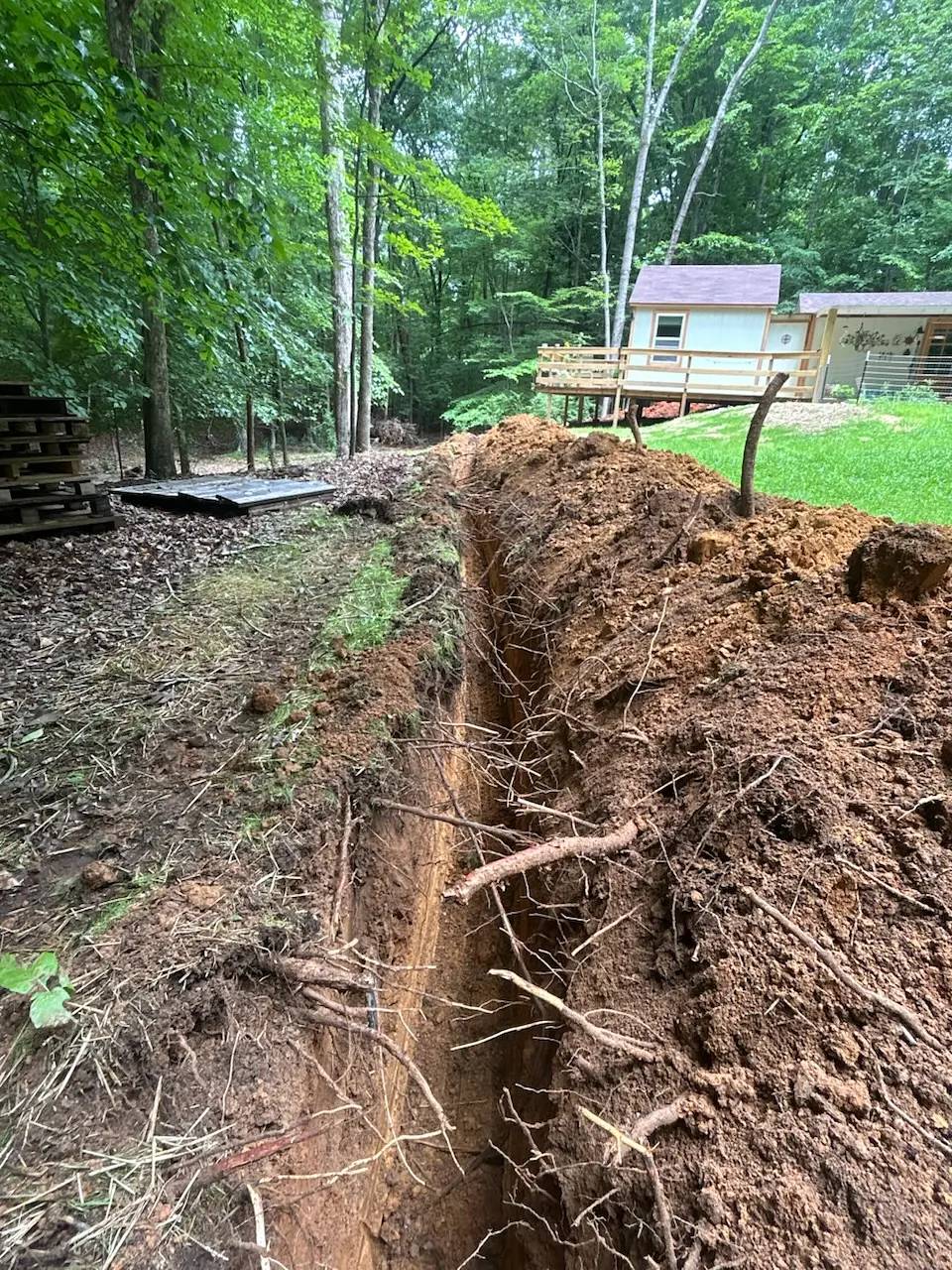
Emergencies get the same care. He works to “give them a temporary solution just to get them back up and running,” he says, then comes back to finish the job and has it inspected. If that means shifting the next day’s appointments, he shifts them.
That kind of flexibility depends on how he plans his days. He paces them so each customer gets his full attention, without rushing to the next stop, and he keeps from overbooking so he has time to understand what each person needs. In his view the work itself takes care of the rest. “If your quality of work is good, then you don’t have to chase a dollar,” he says.
When a job calls for more hands, he has friends in the trade who run their own electrical businesses. “If it’s needed I’ll contact them and we could do the job together,” he says.
The company carries the name Watts Good Electrical Services rather than his last name, and customers catch the pun. “A lot of people think that’s funny,” he says.
The name has the same easy confidence as the way he got into the trade: a video, a phone call, a yes, and later a business run out of a truck. He has a line for anyone weighing a jump like that. “If you ever think about doing something and you want to do it, then you just gotta go for it,” he says. “Don’t think too hard about it.”