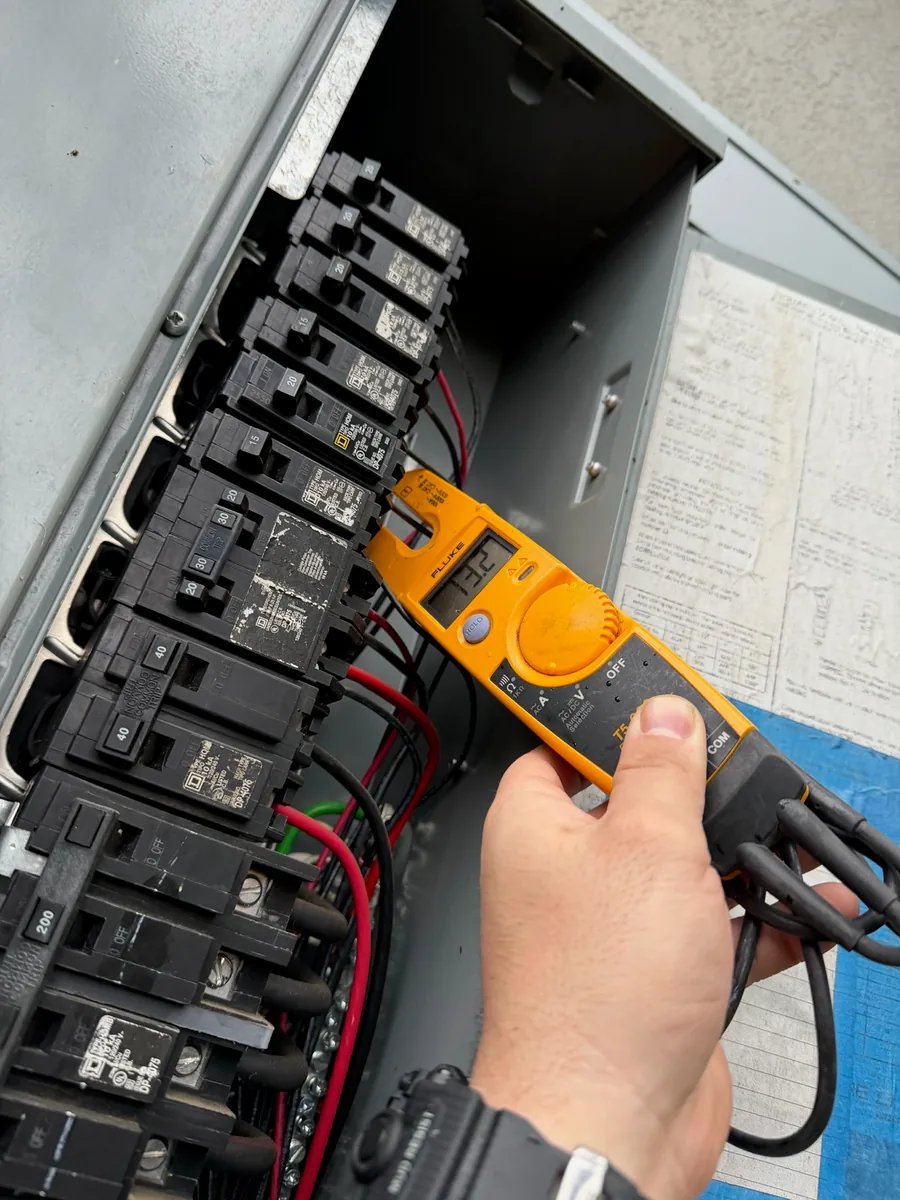
Joseph Perry does electrical work on the assumption that someone will open the wall later. The wiring may sit in an attic, behind a wall, inside a panel or above a ceiling, where the homeowner will never look. His company, Uniform Lighting & Power in Citrus Heights, still treats it as work another electrician will find someday. A shortcut that saves a few minutes isn’t worth putting his name behind, the company says, if it leaves something he would not be proud for that electrician to see.
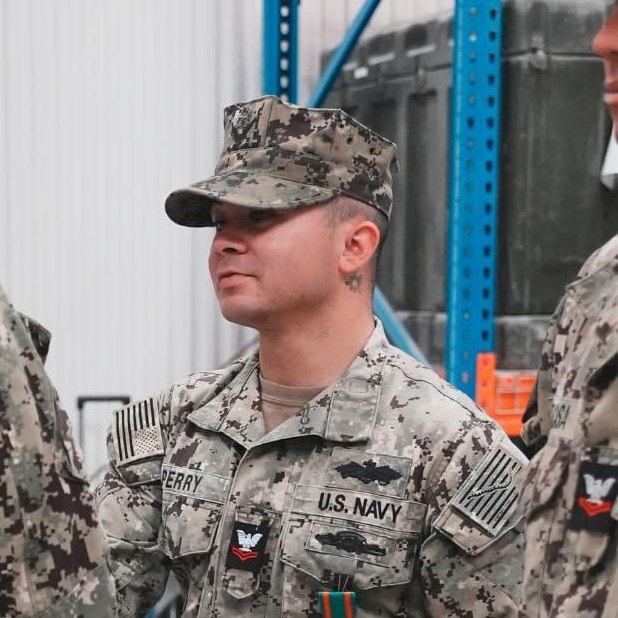
The habit has roots in a job that had nothing to do with wiring. “In the Navy I was a mechanic, but I spent all my time troubleshooting broken vehicles,” Perry says. He brings the same approach to a dead circuit. A repair visit starts with questions about what the customer has noticed, when it happens and what changed before it started. Then he traces the circuit and tests connections and devices until the actual fault is isolated. The customer hears what failed before anything gets fixed.
The Navy came first. Perry grew up around the Sacramento region and enlisted at 17, before he had finished high school, the company’s own history says. He came home as a reservist with no clear idea of what civilian work he wanted. An uncle who worked as a lineman suggested the electrical trade, and in 2017 Perry started a five-year union apprenticeship in Sacramento with almost no electrical experience. Over those years he worked through underground electrical, solar, lighting, panels, fire alarm systems and large commercial construction. He says he was promoted to foreman as soon as he finished.
The Navy ran alongside all of it. On a 2022 deployment to Bahrain he ran a mechanic shop of roughly 15 mechanics. He credits growing up with stricter parents for part of his discipline, and the military’s standard routine for much of the rest. The service also gave him a way of leading that he still describes plainly: lead by example, stay open-minded, keep communicating, and when someone needs correcting, do it in private and never in front of their peers.
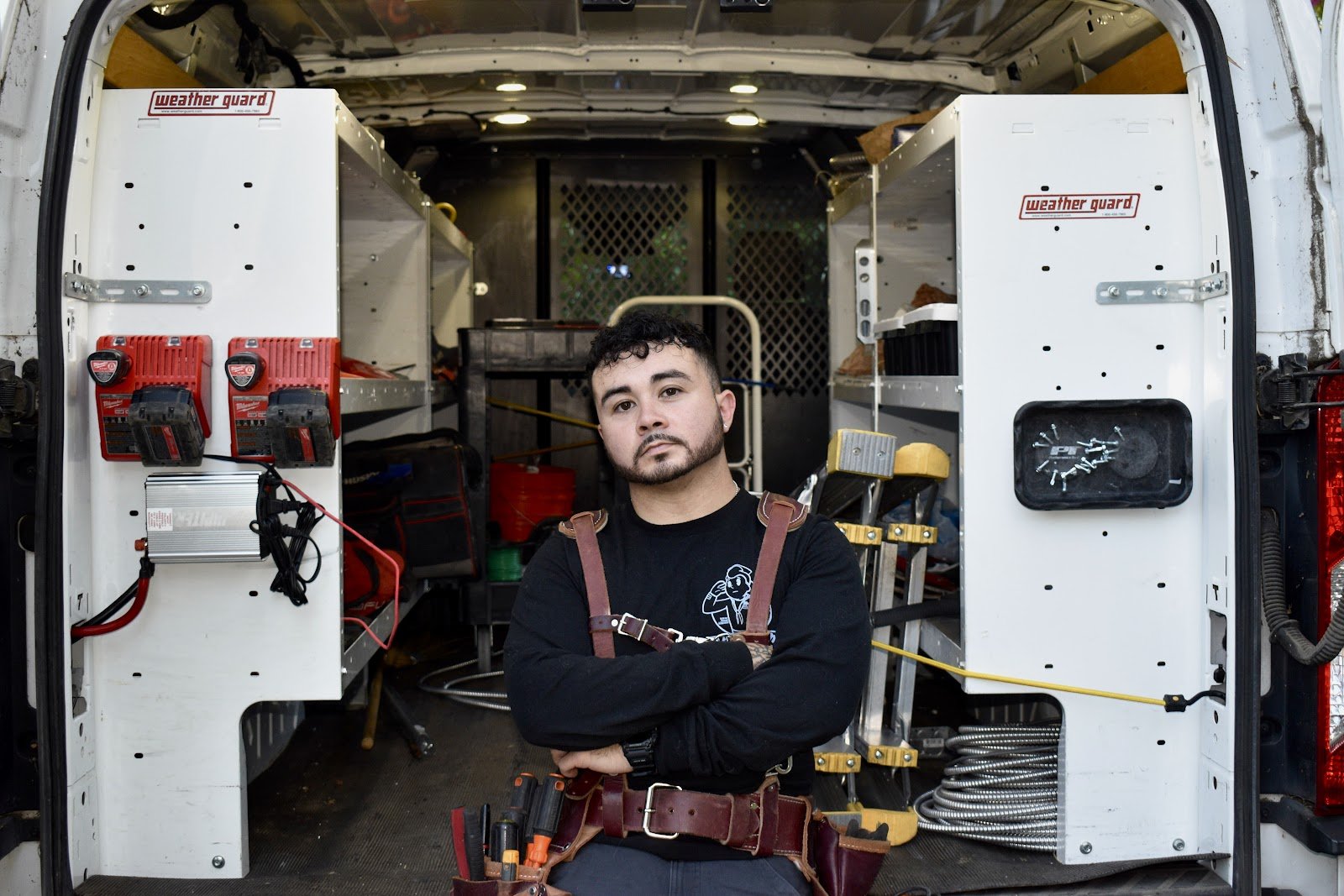
The company grew out of a day on a job site. After his time as a foreman, Perry found himself back on a large project doing repetitive installation work. He had the experience and the technical skill he had worked toward, but the job no longer looked like the future he wanted. One day he came back from a break, looked at his tools, packed them up and left. He had always figured owning a business would come later in life. Instead he started building one that gave him more say over the work, the standards and what customers experienced. By his own account, he kept working with the union “until I had enough hours” to go out on his own.
“We’re mainly residential now, but most of my experience with the union was industrial and commercial,” he says. Those years were spent on projects far bigger than a single house, and the background still shows. The owner of an automotive shop described in a review how Perry put new overhead lighting in the bays and upgraded the panel so it could carry a paint booth, a compressor and a welder.
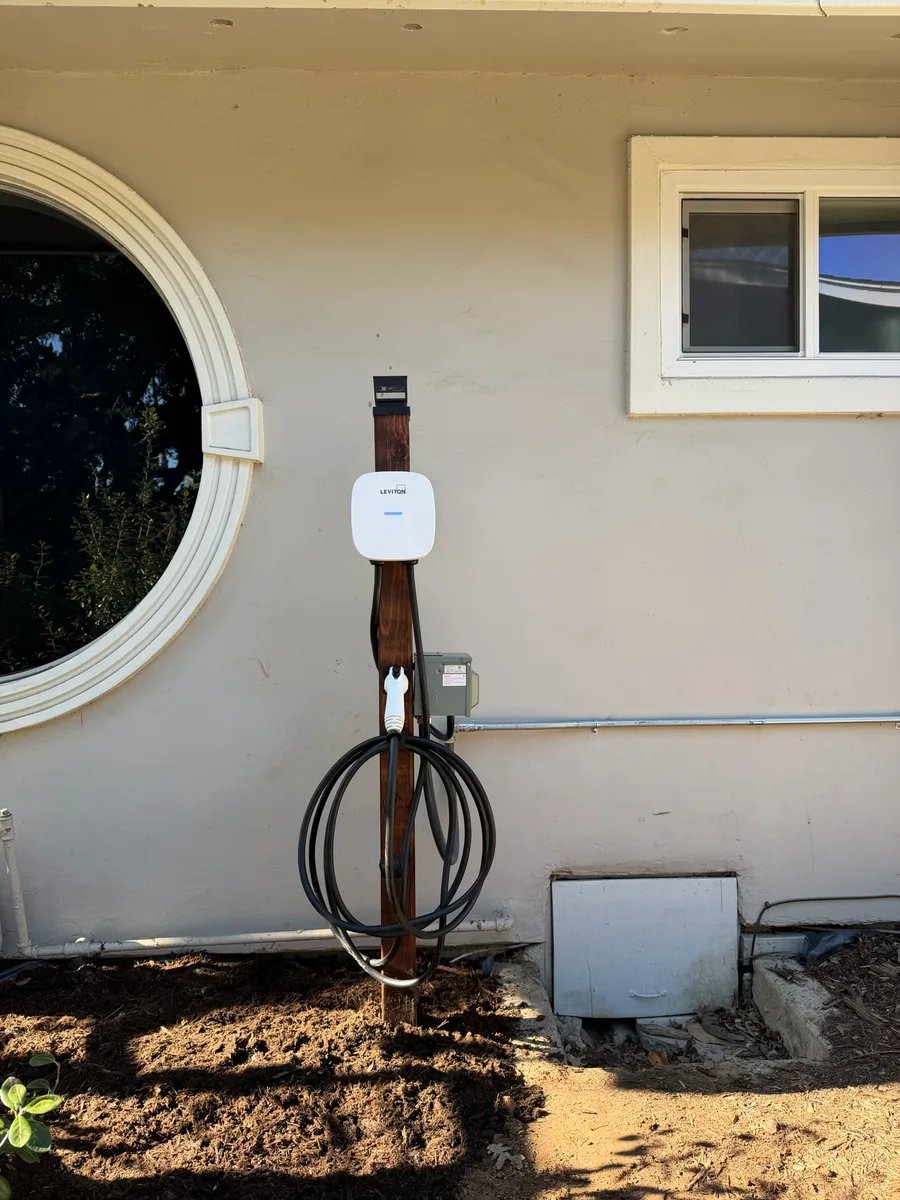
On a home job, the first step is showing up in person. “I normally only do in-person estimates, so I get to meet the customer before any business is done,” he says. Then he tells them what he sees. “I’ll tell them if they do or don’t need something.” The point of that first visit is simple to him. “I always try to keep it pretty honest and transparent for the customer.”
The paperwork that follows gets the same care as the wiring. Perry puts real time into the estimates he sends out, and customers have complimented them. “They’re very detailed, they’re easy to read and understand,” he says.
He sees the company’s veteran ownership as something customers can trust before he ever walks in the door. His customers will also tell you he is early if not on time, which he calls “the byproduct of being in the military for a decade.” The week runs on a plan. “I try to keep certain days for the bigger jobs and certain days for doing the smaller stuff,” he says. The company also keeps a 24-hour line for electrical emergencies and prioritizes urgent calls with same-day service when the schedule allows.
Perry has a clear picture of what he wants the company to stay. He would like it to grow and still remain a small business, never so big that it stops being what it is now, a place where he meets the people he works for. “I like to be able to work with people,” he says. What he wants is something solid and dependable, built to last past him, the same way he builds the wiring behind the walls for whoever opens them next.
“I would like to hand it down,” he says.