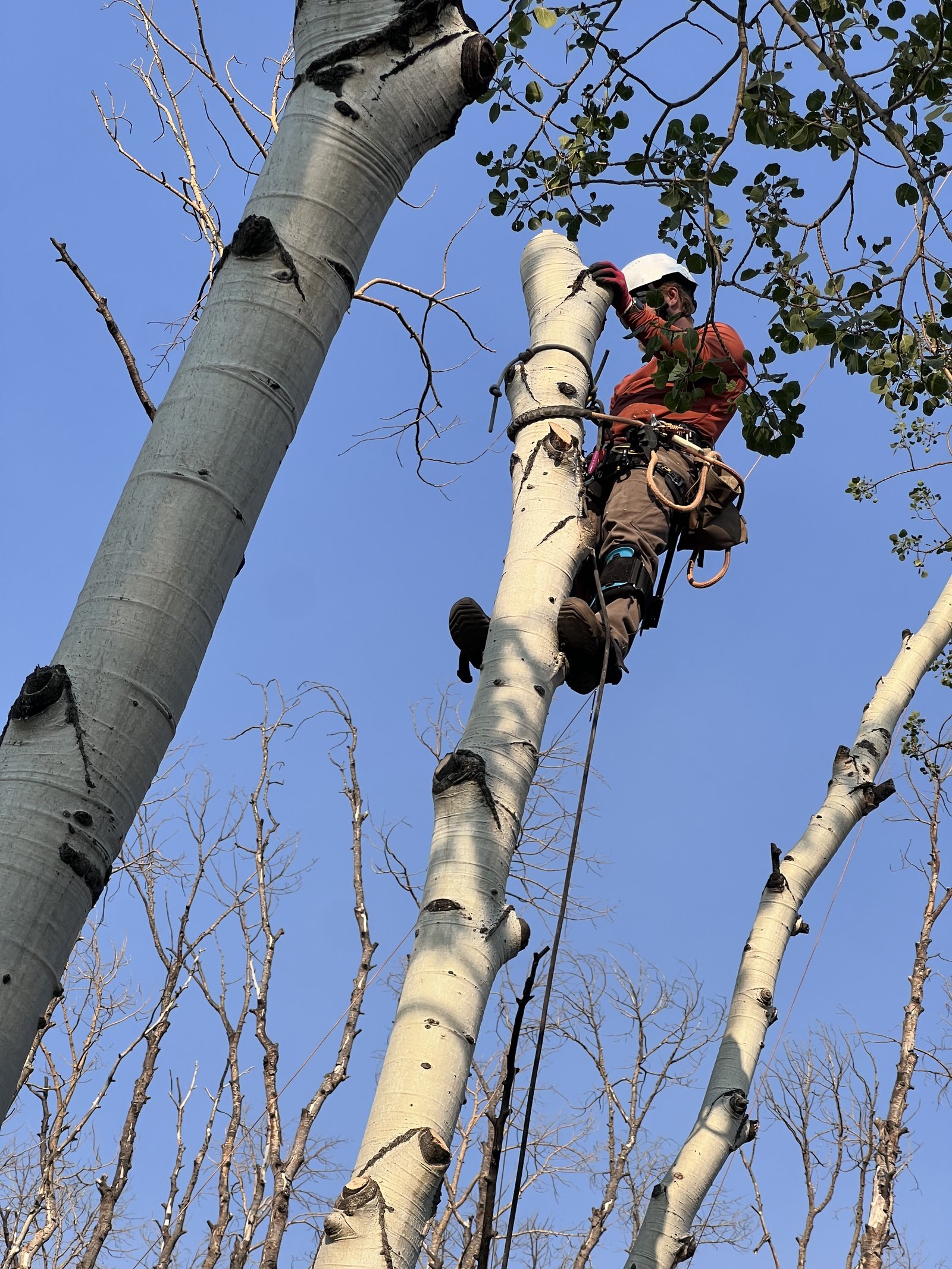
There is always someone with one more tree in mind. Owen, who owns Rocky Mountain Treecraft Trimming and Removal in Heber City, says it happens all the time: a customer has talked it over with his wife, learned that she really hates another tree in the yard, and wants to know if the crew can take that one down too.
By his estimate, some version of that request came up on maybe 60 or 70 percent of his jobs. Each one meant a change order. Back when he had several jobs going at once, those extra trees would throw his schedule off.
So he stopped. His crew now works one job at a time, every time, and stays on that property until the work is finished. He stays, he says, until the job is done and the customer is satisfied. The rule leaves room in the day for the wife’s least favorite tree.
Everyone else waits in a queue. Once a job is wrapped up and the final details are settled, its slot closes, and Owen lets the customers behind it know they have moved up. Each one gets a three-day heads-up before the crew arrives. He won’t take on a job without a contract; in his view, a good contract makes for a good relationship. He works hard at over-communicating, and he would rather have a customer tell him to just call when he’s ready than leave anyone wondering where he is.
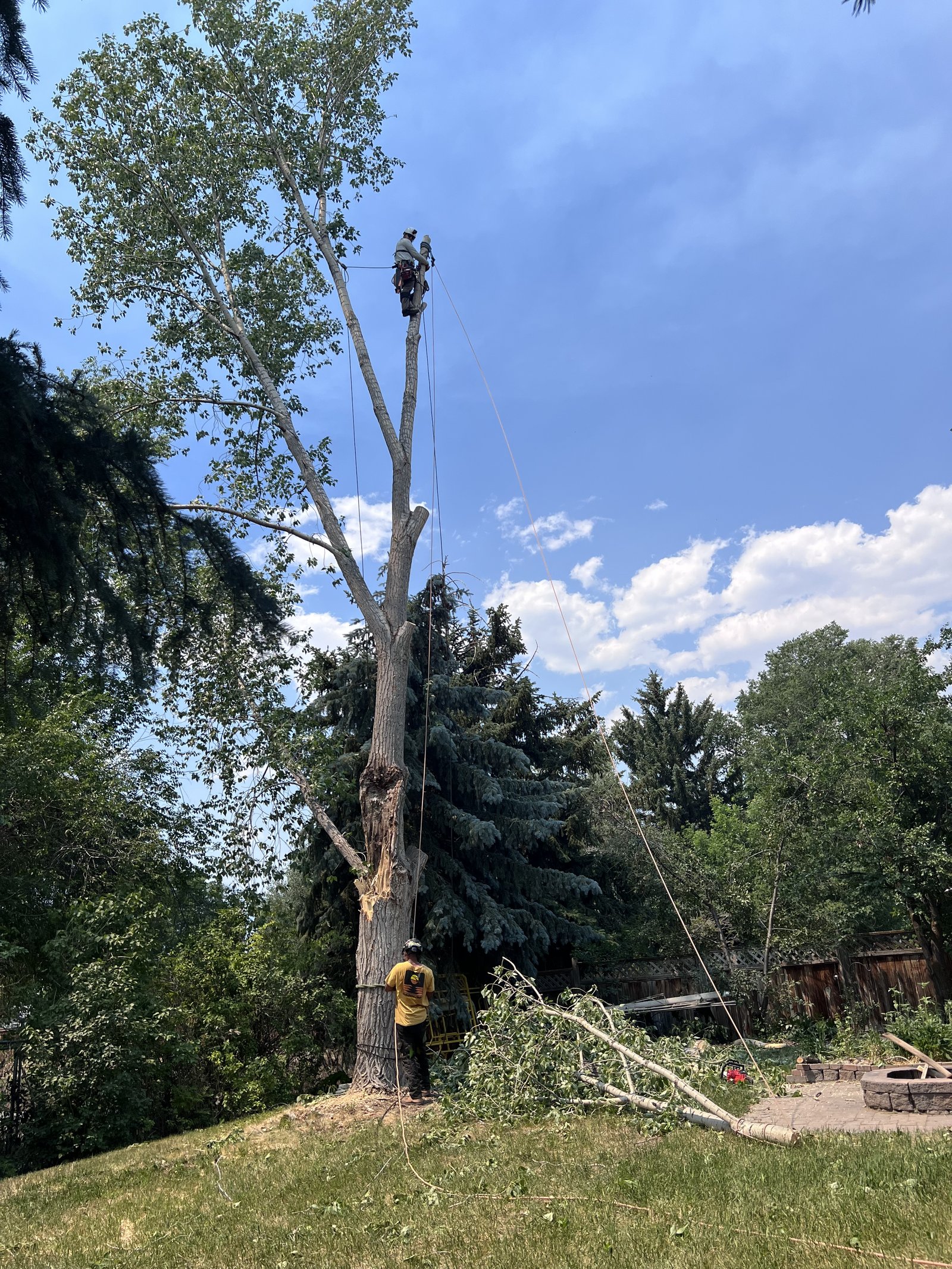
Owen is the sole owner, and the crew is three people besides himself. He started a tree apprenticeship at 17, kept climbing through college for extra cash and made it a business only after he finished school.
Every new hire hears the same rules. Keep the crew’s culture good, because they spend most of the week together, and say what needs saying in time and politely. Do the work right, because fixing a job done wrong takes far more effort than doing it properly in the first place. And take a breath. “Take that extra second, because it could really matter for you and the guy next to you,” he says. He wants the crew to know he is not rushing them and that slowing down is fine when the situation calls for it. The reason is blunt: the mortality rate in tree work, he says, is high compared with most other work.
The trees that reach his schedule tend to be the ones that scare people. Nobody ever calls him for an easy tree, he says. Difficult removals are what he considers his strength, and the crew handles them around Heber City, Midway, Park City, Kamas and the smaller towns nearby. The crew runs battery-powered saws, and one homeowner noticed how quiet it kept things: they barely registered that anyone was working.
Windstorms bring the late calls. Owen recalls a customer phoning at 11 at night because a tree had fallen on their cabin. The latest he has ever been up a tree is 3 a.m., with work lights set up and headlamps on. “It requires a team that knows what they’re doing to be able to operate in those kinds of situations,” he says.
Part of what makes those nights workable is that the crew knows the system and knows how each other will react. The four of them stay connected on an intercom system and talk through the whole day. Even in an extreme situation, Owen says, they keep the same mellow, conversational tone. Nobody has to yell.