Jimmy Terry had sold a homeowner a garage door motor, and the motor turned out to have a bad board. He went back and changed it. The motor carried a warranty, he told her, so there was nothing to pay.
While he was there, he looked over the door. The track had big gaps at the rollers, and two of the rollers had worn out. He had come back for the motor, but he took the time to re-hang the track, put in new rollers and fix the door. When she asked what she owed him, he told her not to worry about it.
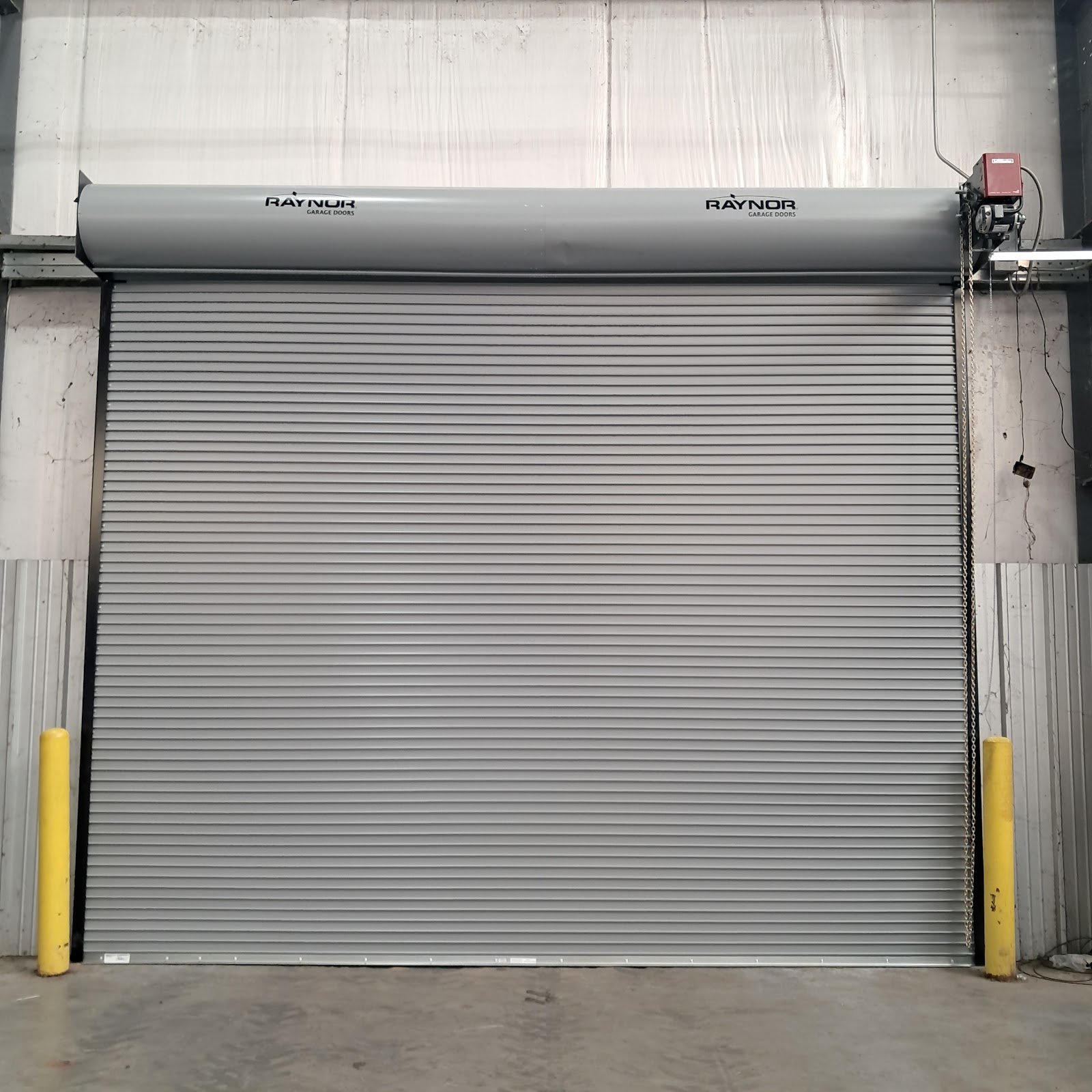
“Even if something we didn’t do, it kills me to see something that’s not right and not to fix it,” says Terry, who owns Open Doors Garage and Docks in Little Rock. The company installs and repairs residential garage doors, commercial overhead doors and loading dock equipment. Commercial work now makes up most of what it does.
He came to doors through welding. Terry was a welder at an oilfield fabrication shop when a door company hired him for that skill. When they asked whether he could weld, his answer was “yeah, I can weld,” he says. He soon found out how small a share of the job it is, maybe 6 to 10 percent by his count.
That share matters most on the dock side. “Whenever you go do pit levelers and EODs and truck restraints and bumpers, you gotta know how to weld,” he says. “You gotta know how to professionally weld.”
The rest of the trade he learned from the crew he joined. The installers there were all close to retiring, with 50 years in, or 35, or 25. “They went through years of figuring out what not to do, and how to do things easier, how to do things faster, how to do things better,” Terry says. “That’s kind of where I learned from.” He stayed about 10 years before going out on his own.
The dock work kept pulling him along. He also spent two years at a forklift company that handled dock and door jobs, the kind of loading-dock work where a welder earns his keep. “I’ve been in this business for 13, 14 years,” he says.
That training shows in how he handles a call. He runs a diagnostic on the door first. If it’s something he can’t fix, he tells the customer how long the parts will take to come in, or whether the door needs replacing. He works roughly 35 to 40 miles out of Little Rock, and when customers call, he says, he can usually get out there “today or tomorrow.”
The attention runs past the part on the work order. One homeowner, describing a new opener Terry put on a 20-year-old door, noted that he also went over all the rollers with lubricant.
No two weeks look the same. “The only thing that’s routine about a door business is you do door work or dock work, and that’s it,” Terry says. Some weeks the work all comes in on a Monday morning and sends him from job to job; other weeks are quiet. A commercial install can keep him at one building for three or four days before he moves on to the next. It was that way when he came into the trade, he says, and he is used to it.
What he picked up from the veterans he now passes on to the people who work for him. “I’ll work with these guys and show them how I do things,” he says. “I try to teach them the way I do it.” The crew puts in the hours. “The guys working with me, they’ll work late and long hours just so we can get everything done,” he says.
When he talks about what the business is for, he talks about them too. “I’m working just to provide for my family, and then the guys working with me, providing for them and their families,” he says.
Running his own company gives him some room. “It’s nice to work for yourself instead of having to work for somebody else,” Terry says. He once took three or four days off and went hunting. It also lets him give a door the time it needs. “I don’t care if it takes me an extra day,” he says. He wants customers to like the finished job, and he treats each one “like it’s mine.”
That was how he saw the door with the worn rollers. When the homeowner asked what she owed, he told her not to worry about it. “I just couldn’t leave here knowing that looked like that,” he says.