
“If something has asbestos or something that we can’t handle, we assess that situation and handle it with the customer right then and there, not just take care of it and then send them a fat bill for it in the end,” says Austin Etherington.
Austin is the sole owner of Limitless Hauling & Junk Removal LLC in Troy, Ohio. Asbestos is his example of what can surface partway through a demolition, and his rule for it is short. The customer hears about it when it happens, not afterward on an invoice.
The rule carries more weight now than when the company started. Austin opened in February 2024, working a nine-to-five and wanting to do his own thing. He says he was scrolling through Instagram when he met a man who taught him about junk removal, and he went from there. The work has since shifted toward tearing things down. “Mostly demolition” is how he describes what the company handles now, and he says that is what a lot of his team likes. The jobs run from small garages and pools to complete houses and commercial buildings.
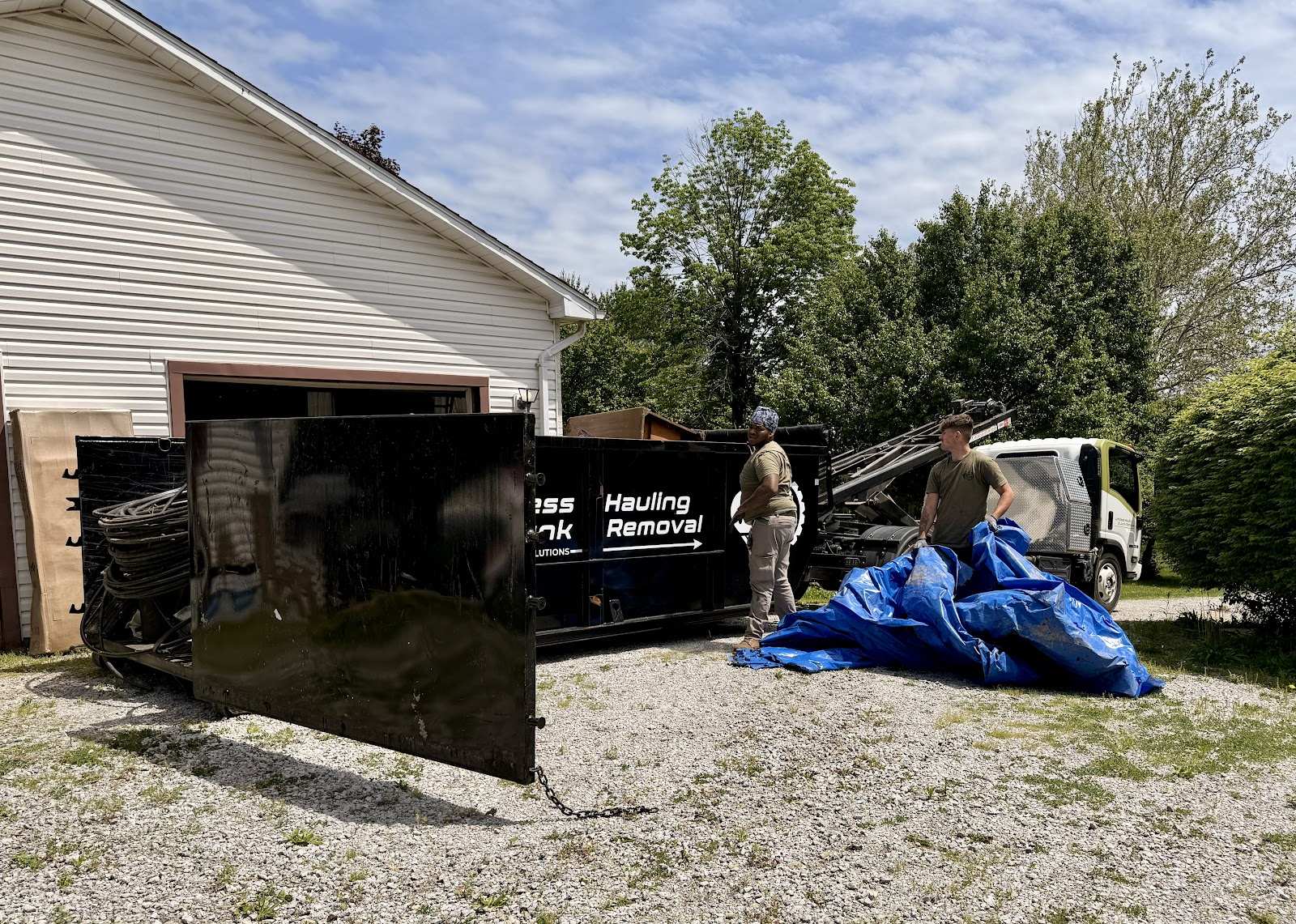
The company’s website points to an interior demolition at a Frisch’s restaurant in Huber Heights and shows house demolitions elsewhere in the Miami Valley. Austin says the crew works within about 30 miles of Troy.
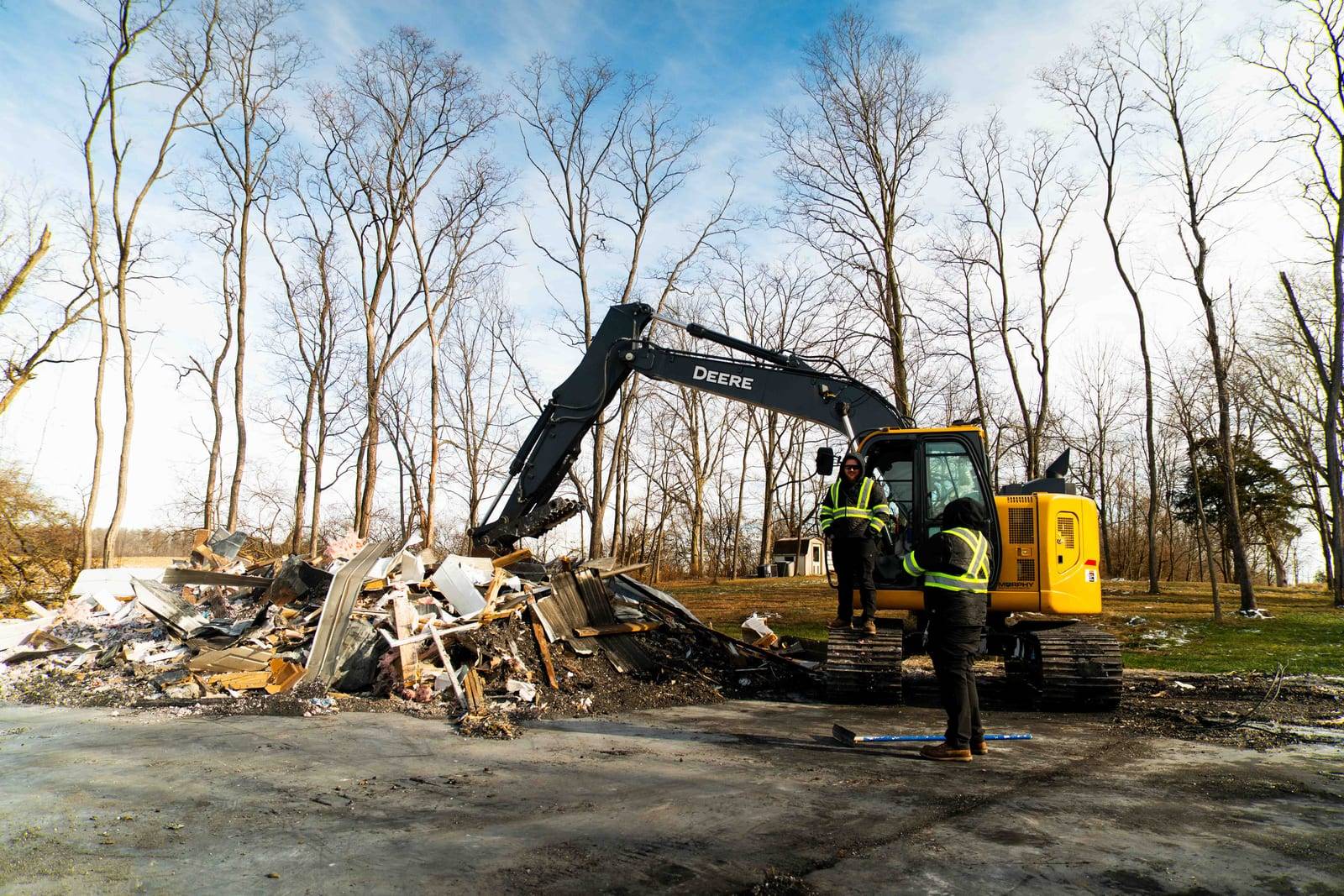
Demolition makes surprises likelier than hauling does, and Austin tries to cut them off at two points. The first is before the work starts. He says the company spells out what a job includes and what it does not, so the customer knows exactly what is being bought and what is being taken away. He wants to head off the customer who comes back saying, “I thought you were going to take this, or I thought you were going to take that.” In his words: “There’s no surprises.”
The second point is when something turns up anyway. Then the crew stops and brings the customer in rather than deciding on its own and billing for it later.
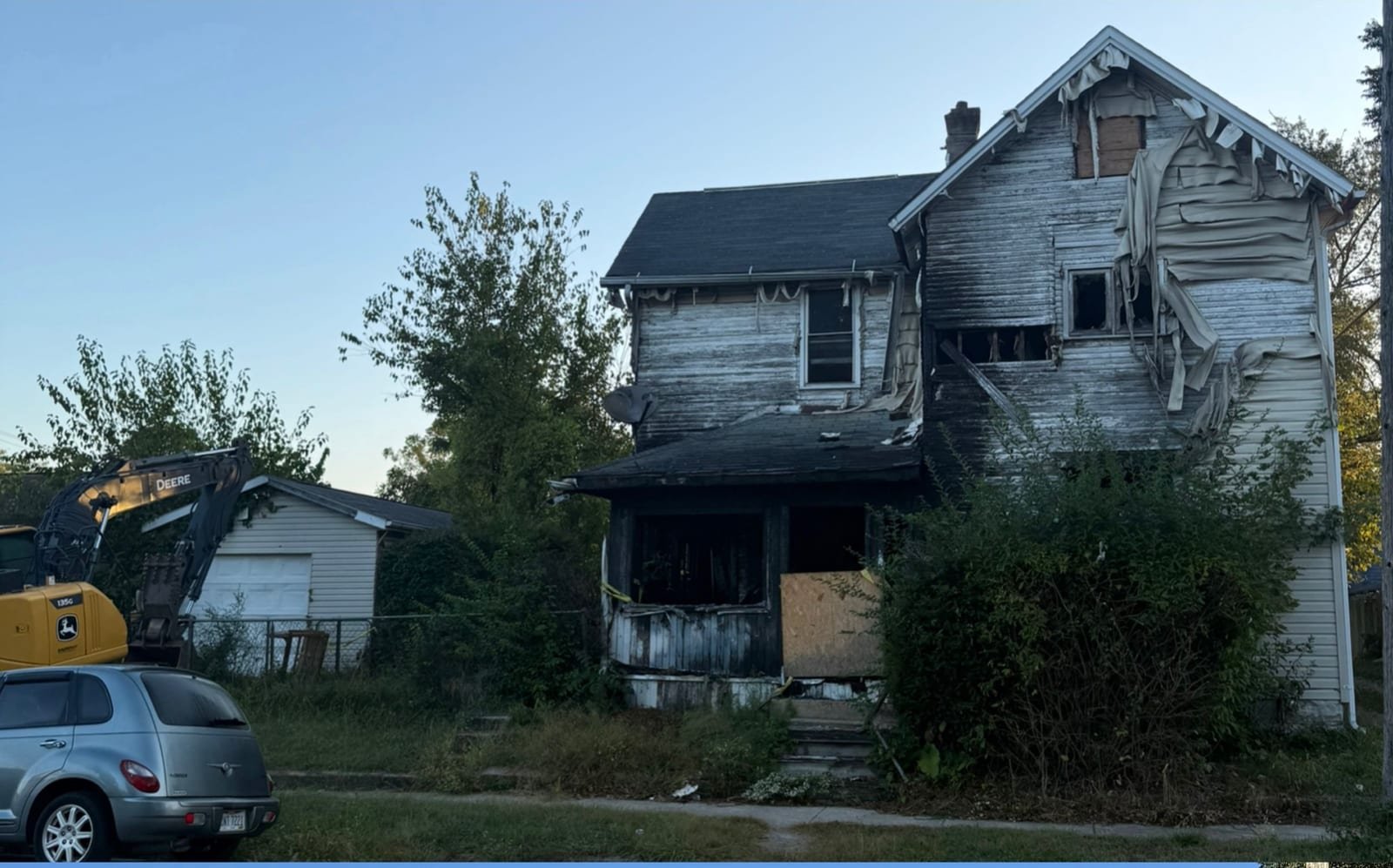
One homeowner who needed a house torn down after a fire laid out how that looked from her side. Austin had visited the property by noon the day after she reached out, the estimate came that evening, the demolition took two days, and the final price matched the quote.
The same thinking shapes how the company handles arrival times. Customers get a two-hour window, and Austin is plain about why. “We never know what’s going to happen on a job,” he says. He puts the effort into communication, so customers know the crew will be there when it says it will.
He no longer spends much time on job sites himself unless a job needs him. “I’m a leader. I’m not a boss,” he says. “I will be in the front lines with the guys doing work if I have to.” Mostly, he says, the crew runs itself, with regular team meetings. Eventually he wants to hand the business down, possibly to the employees themselves, and let it be “an employee-managed company.”