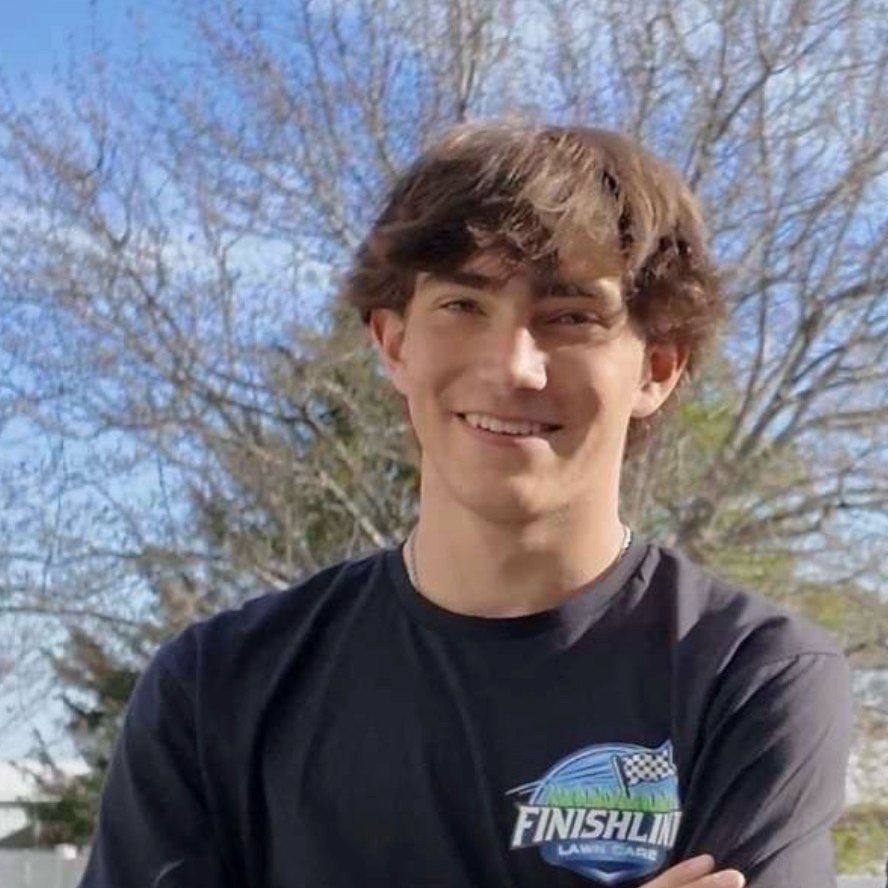
Dietrich was a surname before it was a first name.
“It’s a German family name,” Dietrich Michel says. It began as a last name, he explains, then became a middle name passed down in his family, “and then my parents decided to make it a first name.”
His parents handed him something else: a way of doing business. His dad and his mom have both owned businesses for more than 20 years, he says, and customer service always came first with them. The rule he grew up with was plain. It meant “treating everybody like they’re your biggest best customer.” Respect and communication came with it, and those are still the two things he reaches for first. “If you can communicate, that’s all that matters,” he says.
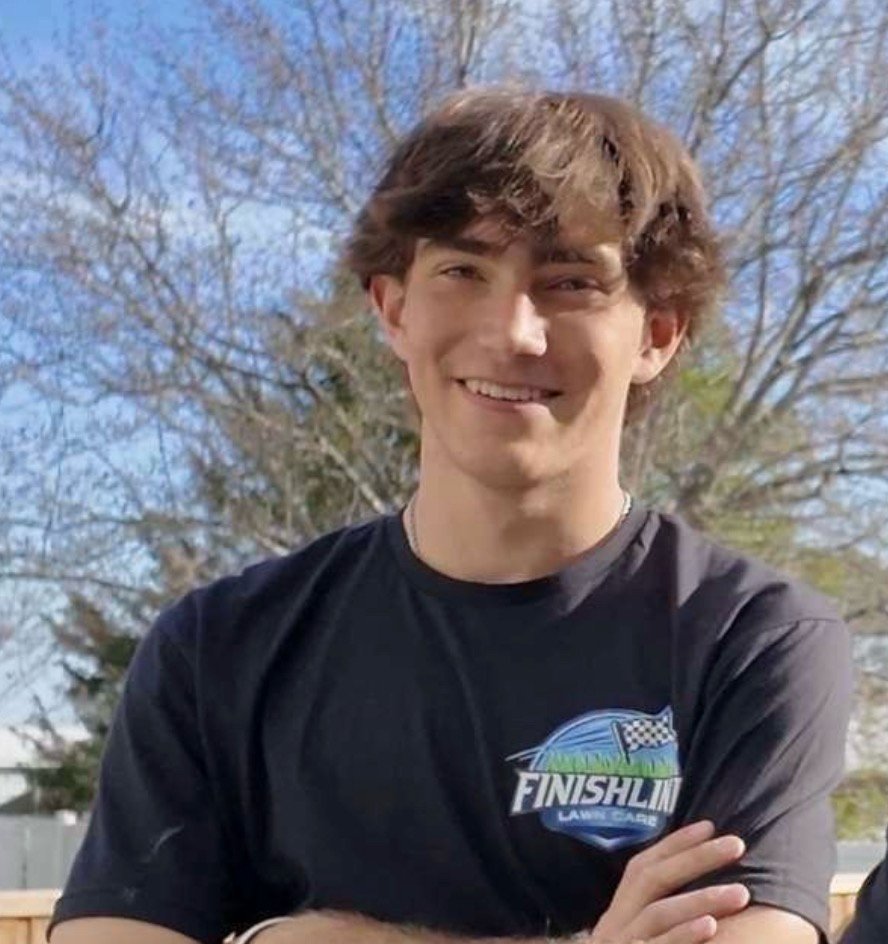
He carried that rule into Finish Line Lawn Care, the company he started at 16. “I just wanted to branch off and try to do something on my own and make something for myself,” he says. The work itself was familiar ground. “I had always enjoyed doing landscaping my whole life,” he says, so he chose that path and took the risk.
The company is based in Fuquay-Varina and works across southern Wake County, out to Holly Springs, Cary, Apex, Garner and Willow Spring. Its crews keep lawns on weekly and every-other-week schedules, lay mulch and pine straw and grind out stumps, and the company also maintains grounds for HOAs, offices, churches and schools on contract.
Michel does not sort those jobs by size. “We treat every yard the same, so whether it’s residential or commercial doesn’t really matter to us,” he says. It is his parents’ rule, applied to grass. A homeowner with a single front lawn and a property manager with a whole campus are making the same choice when they pick Finish Line, he says: they are trusting the company with their yards, and he means to keep every one of them happy.
When he started, he could see the trade was crowded, and he asked himself what would set his company apart. He settled on communication: answering customers, listening to what they want done and showing up when he says he will. He knows a crew cannot control every day. “Stuff happens, and communication is the biggest part of it,” he says. “People understand. Everybody knows things happen. You don’t want to be left in the dark.”
The reason is personal. “I don’t want to be left in the dark with things that I want or services that I need,” he says. So he works from the customer’s side of the conversation. A customer should always know what is happening and when, with both sides clear on the plan, and if plans change, the customer hears it first.
That habit grows out of the part of the job he likes best. “I pride myself on having a relationship with every single one of my customers,” he says, and he enjoys those relationships along with the work itself. One homeowner made a point of it in a review, noting that Michel keeps in touch both before a job and after it.
Keeping that up takes the right people, and Michel has a favorite saying for it: “You’re only as good as your people.” For him, that starts with hiring people who share his goals and his vision and believe in the same things he does. Hiring is only the first half. The second is what he does on the job himself, where he tries to give everything 120 percent. As he likes to say, people follow.
He wants Finish Line to become a company that can “support me, support employees, support other families,” and a healthy place to work, one that people enjoy working for and that clients enjoy having on their property. He would rather get there in steps. “I also believe that growing organically and not just trying to skip all the steps and going from zero to 100 is the best way,” he says. Growing slowly, he adds, helps you really understand everything.
When he pictures the company a few years on, he sees people around the area speaking well of the crew and of everyone who works there. He sees commercial clients saying their grounds have never looked better and that the work makes it easier for them to do their own jobs. And he sees homeowners with their weekends back, the company “giving people more time by not having to deal with their yards.”
The rule at the center of all of it reached him the same way his name did, from the people who came before him. Now his crew is the one watching. “If they see you not doing something, they’re going to assume it’s right to not do it,” he says. “If they see you doing it, then they’re going to do it.”