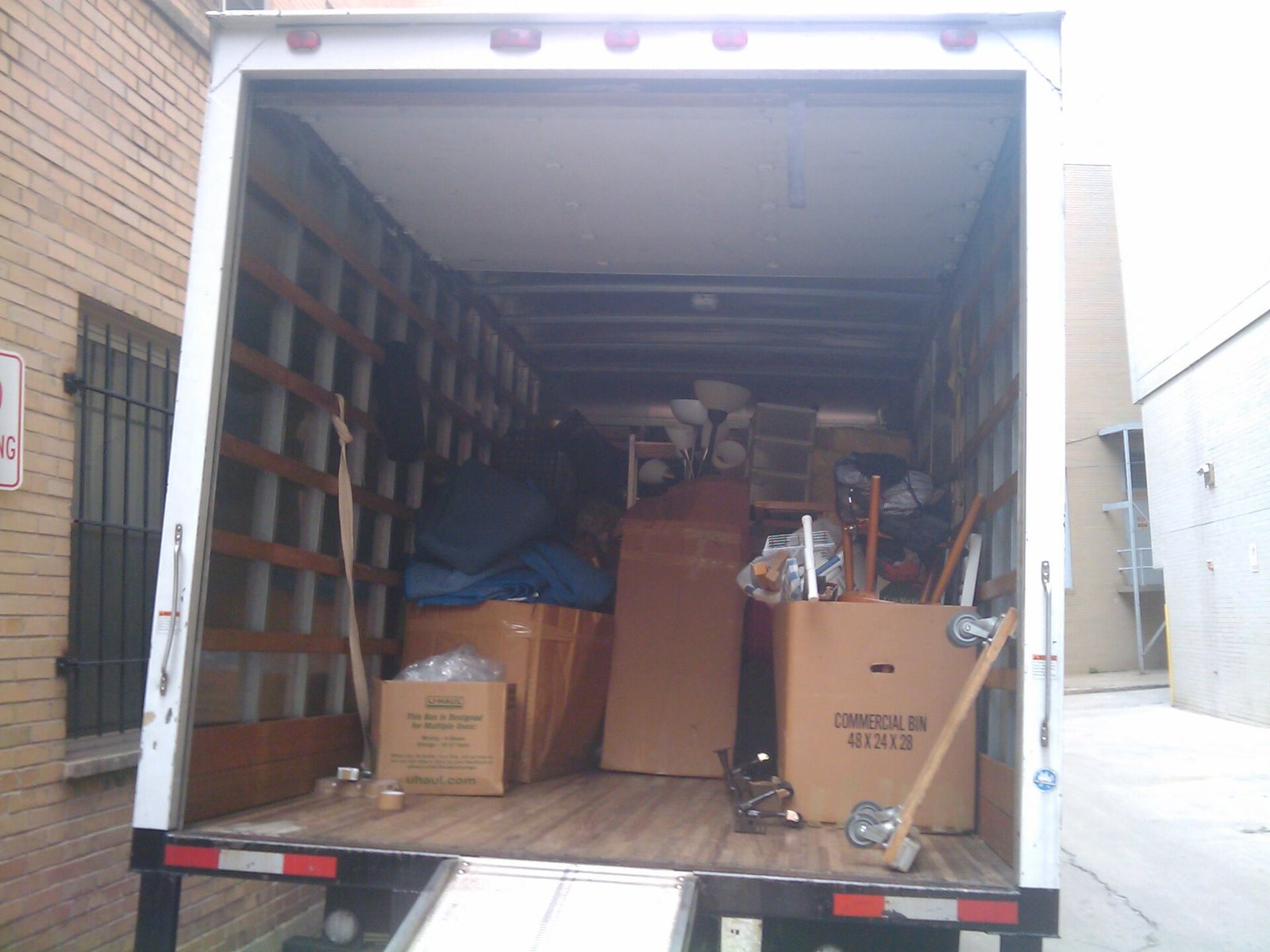
“We’re always looking for sports-minded individuals and competitive and wanting to win,” says one of the people who run Varsity Boys Moving & Hauling Junk in San Antonio. He is describing who gets hired.
The name comes from the same place. “Like our name implies, our guys are athletic and strong,” he says, “so there’s really no junk job out there that we can’t handle. It’s not just light stuff. We do heavy, heavy stuff.”
He talks about the company the way a coach talks about a season. “We’re the varsity team,” he says. “That’s what we’re all about: strength and endurance.” The lifting doesn’t stop when the shift starts, either. “Our guys work out a lot,” he says. “You get to work out on the job. It’s kind of nice.”
A customer who had a piano hauled away described the crew getting it out without damaging the walls.
The competitive streak shows up in scheduling. “When they call us, if they want us right now, we’re going to be there right now,” he says. The company’s site is more measured. It offers same-day and next-day moves when crews are free, and it promises a phone call 30 minutes before a truck pulls up.
The college theme runs through the branding. The tagline puns on higher education, and the company traces its start to the idea of earning a college degree without student loans. Its site presents the business as a way to give its crews, the workers it calls the Varsity Boys, a future. It also describes the moving teams as trained and background-checked.
It is a family business, and Christy is the owner. Varsity Boys has been moving and hauling in San Antonio since at least 2020. Crews handle local moves and moves elsewhere in Texas. They also haul junk, clean out garages and yards, and work by the hour for customers who only need muscle. Moving is still the core of the business, he says, because it is steadier. “You got more people moving.” Junk removal is consistent too, he says, but “not as frequent.”
The roster idea reaches past the city limits. The site carries an invitation to own a franchise, and he describes a plan to let crew members who want it run franchises of their own. He calls them the company’s “star players.”
He has a plain view of what customers are going through when they call. “Let’s face it, moving is like a root canal,” he says. Junk removal is the opposite, a relief. He has a theory about why the work never runs out: “As consumers, Americans buy and consume and it piles up.” Eventually people get tired of looking at it.
“They get that old shed in the back gone,” he says. “It’s like ah, I can see my backyard again.”