
A trail camera caught a mother raccoon carrying one of her young out of its den. Tailor Made Pest and Wildlife shared the image on its social pages along with a short lesson in order of operations. A scent-based eviction fluid encourages a mother raccoon to move her babies to another den, but that is only the start. Then comes the watching. The company monitors activity and confirms that the mother and all of her babies are gone. Only then does it seal the entry points, so another animal can’t move in.
The company’s wildlife work runs on that kind of waiting and checking. It sets trail cameras on its traps and gets an alert when something is caught, which lets a technician respond quickly and cuts the time an animal spends in a trap.
Christian Allan, who owns the Louisville company, runs ordinary pest control the same way. For him, the job is not done when the ants stop showing up. “Once you become pest free, we work really hard to maintain that,” he says, “and also try to be proactive with that.” In practice the company reaches out first instead of waiting for a problem to resurface. “We try to be proactive and check in with them, make sure that they don’t have any issues.”
The follow-up starts well before the problem is solved. “We answer our phones,” he says. “We’ll walk you through step by step and kind of hold your hand through the entire process of becoming pest free.” The company describes its method as beginning with an inspection to identify the pest, gauge how far the infestation has spread and find the entry points, then building a treatment plan around what turns up. A testimonial posted on its site credits Christian with returning a call the same night and showing up the next day.
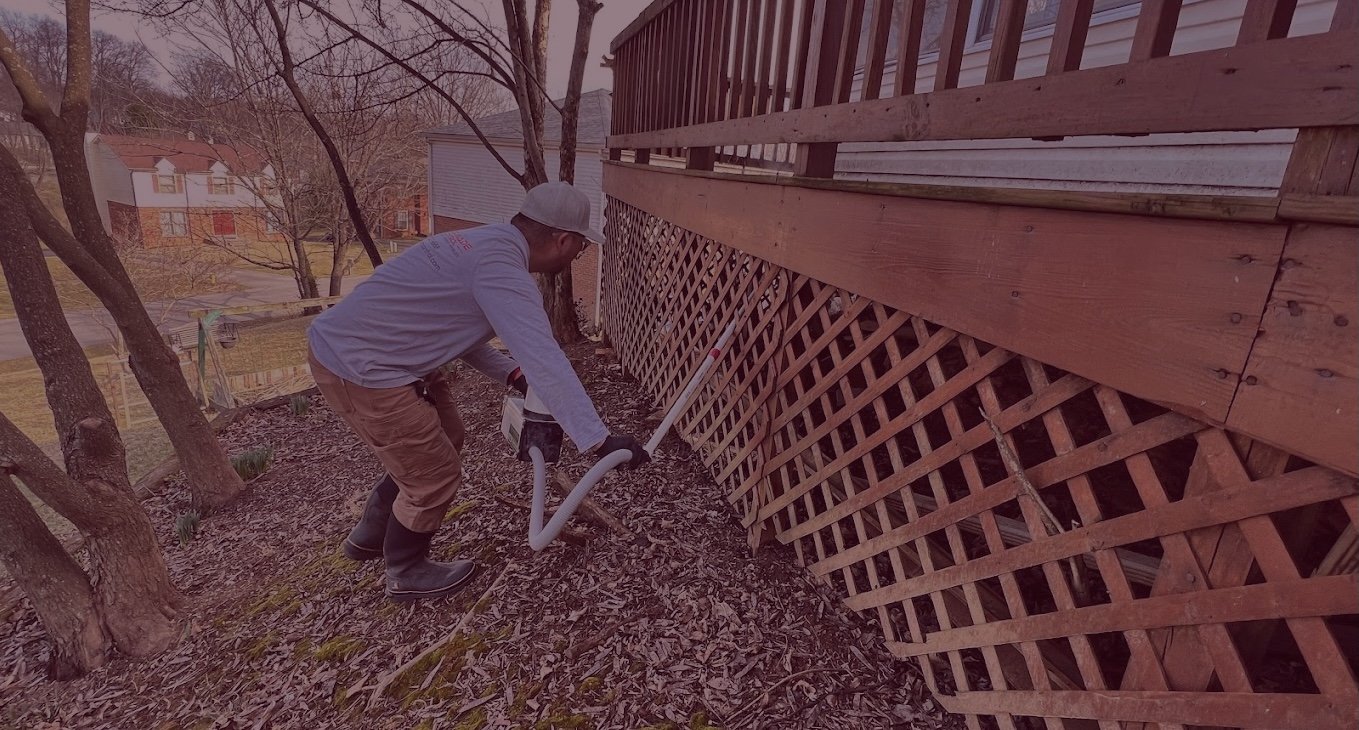
Allan was already working in pest control when he opened his own company in 2021, near the end of the pandemic. The trade stayed busy through those years. “We had no issues of slowdown or shortage of work or anything of that nature,” he says. “So we were happier than clams.”
He started Tailor Made on his own and built a team from there. Most of the work is residential, with some commercial accounts, across Louisville, the towns around it and southern Indiana. “We do very well with residential,” he says, “so that’s kind of our bread and butter.”
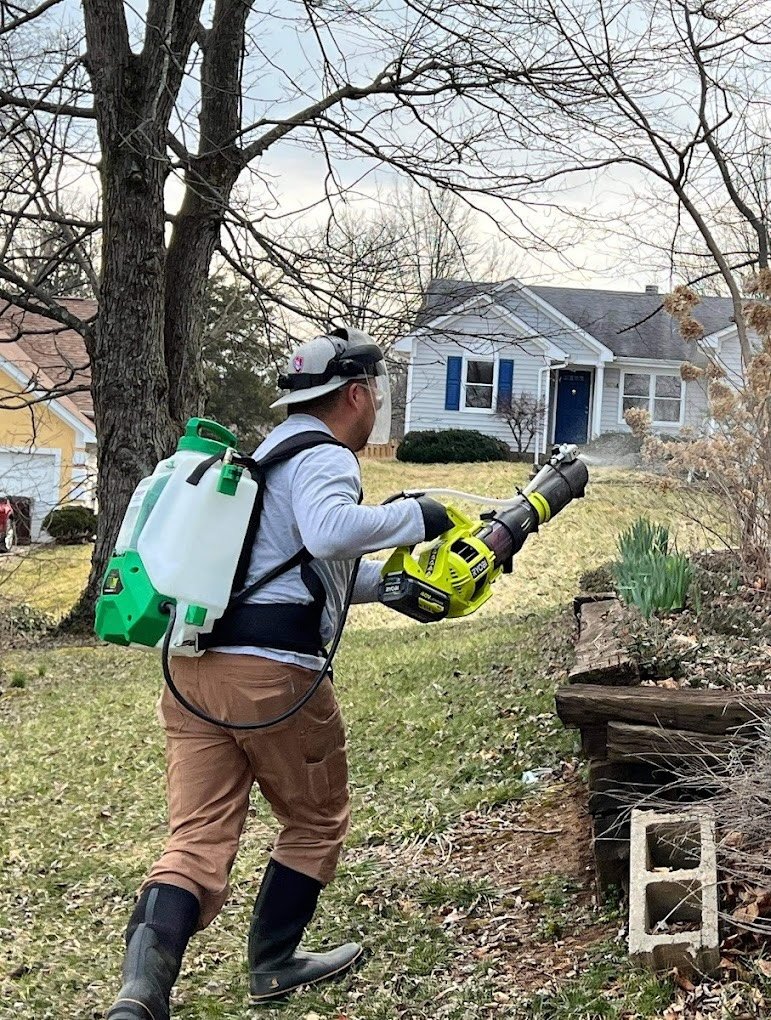
His case for reliability is practical. “We don’t no-show customers,” he says. As he sees it, people stop calling a company that doesn’t do what it said it would. “It’s bad for business not to be trustworthy of your word.”
He tries to hold his crew to the same standard. “I try to lead by example,” he says. He describes being fully transparent with his team and then, in his words, “inspecting what we expect out of everybody.”
The plan is to keep building the company and eventually sell it. “We’re looking to grow it to be as big as possible,” he says, “before it becomes my retirement.”
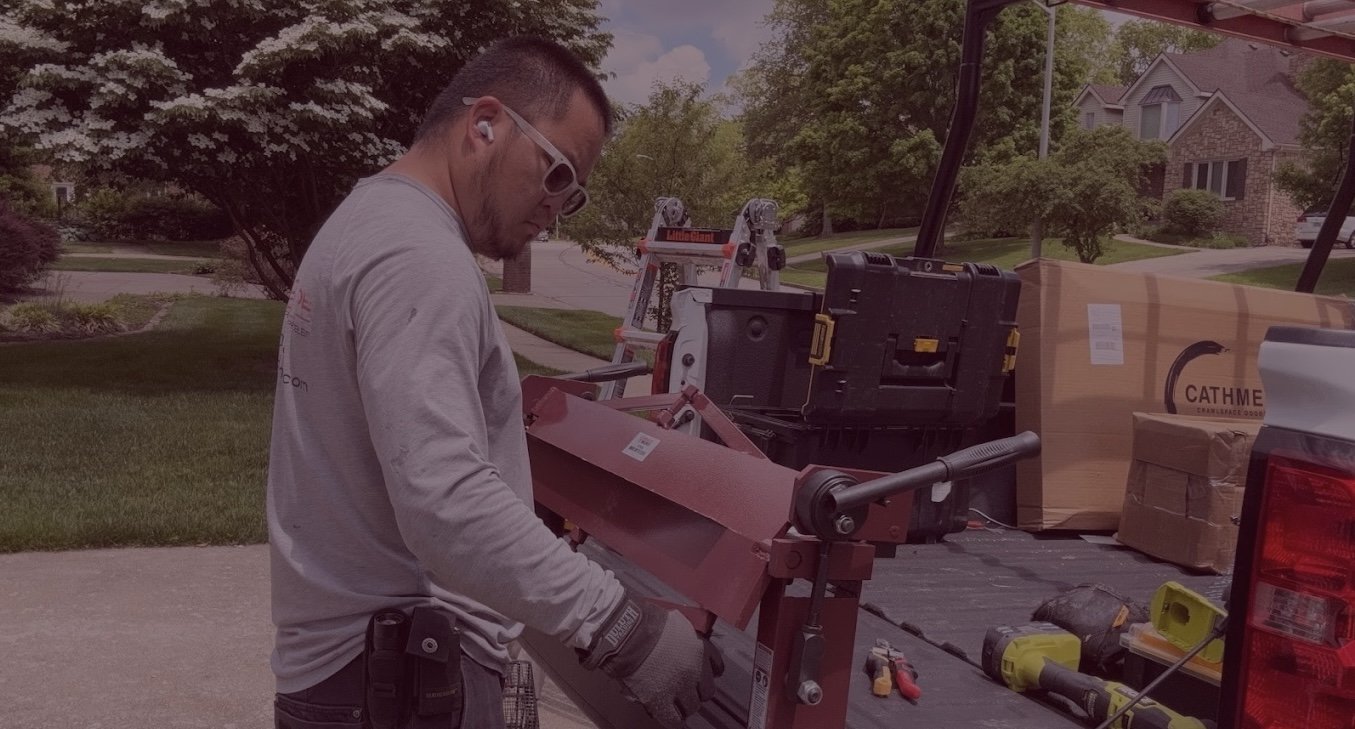
Sealing the hole is often a small repair job of its own. In one the company posted, raccoons had damaged a soffit. The crew measured the opening, fitted and secured sheet metal over it, then painted the patch with paint the customer provided so it would blend into the rest of the house.