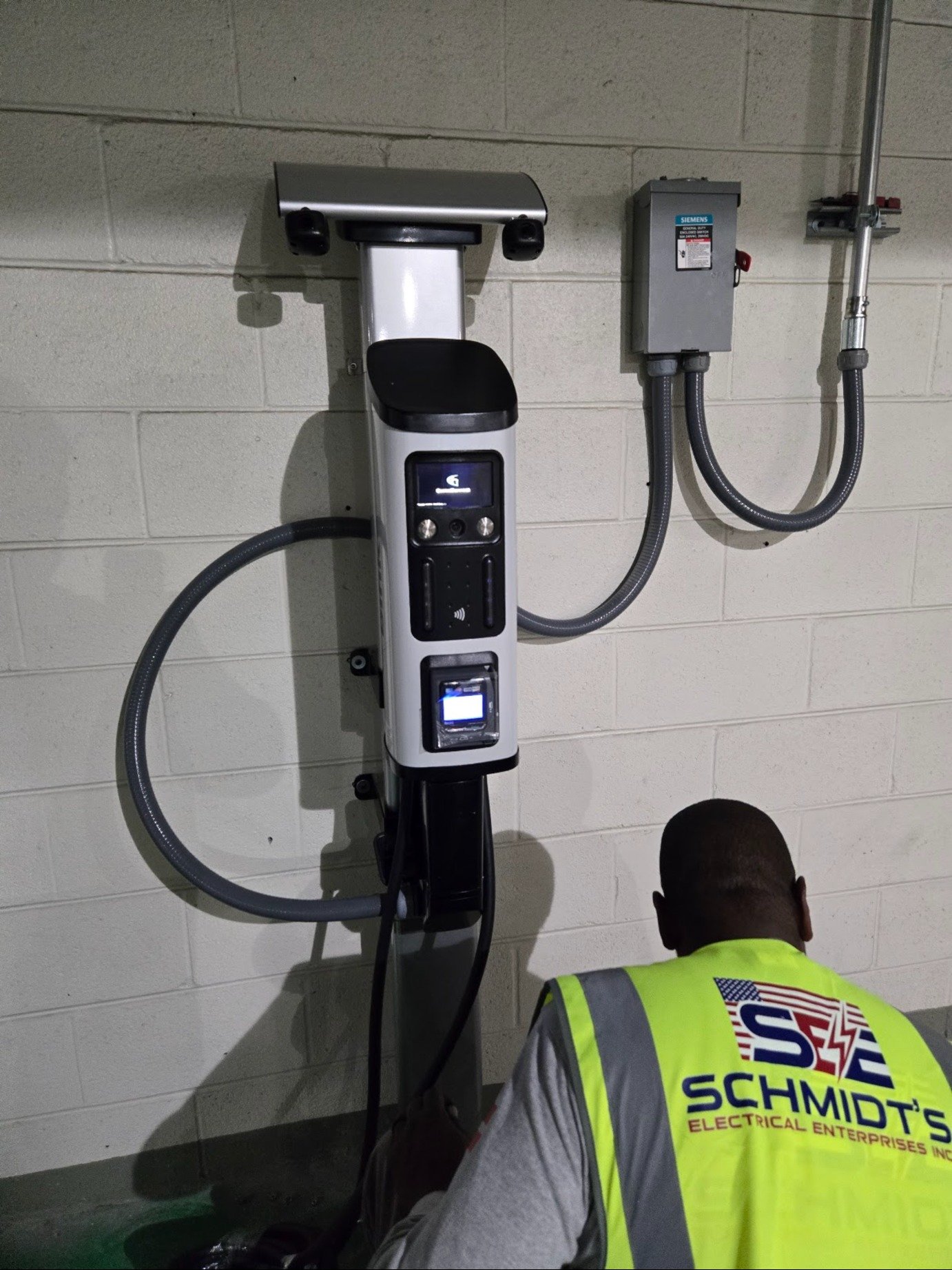
“I wear a uniform like everyone else in my company,” Erik Schmidt says.
The owner of Schmidt’s Electrical Enterprise does not set himself apart from the electricians who work for him, and he gives the reason in one sentence. “I just try my hardest to understand it’s not about me.”
That idea goes back to the start. Schmidt founded the company in Southeast Washington in 2023, and when he explains why, he talks about other people. “I just wanted to create opportunities for others,” he says.
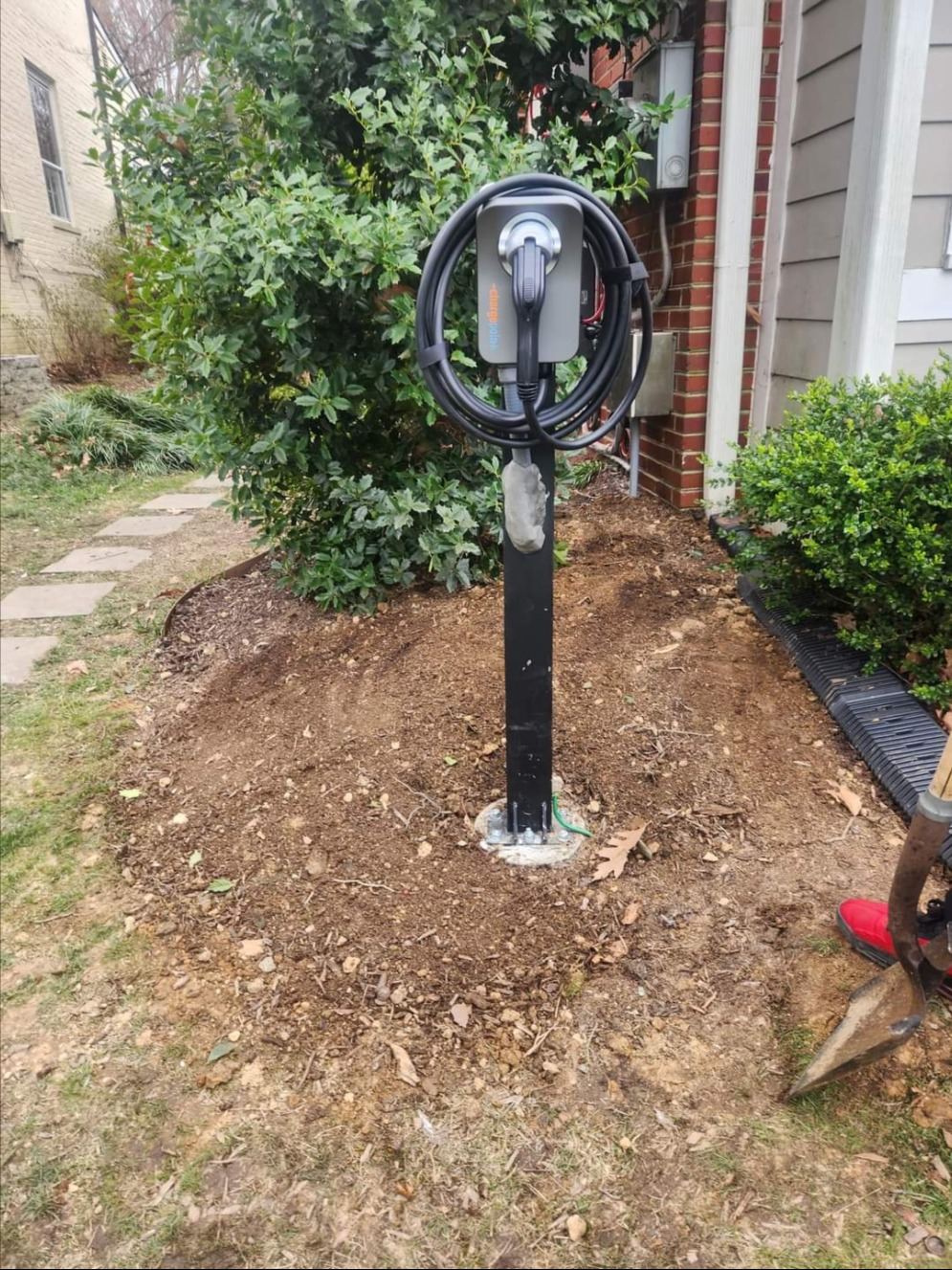
He had been in the trade a long time by then. “I’ve been doing this since I was 18,” he says, which by his count makes 23 or 24 years. Those years gave him a whole trade to draw on, and the company built on one piece of it first. It found its footing in generators, and he says that work is how it moved up the ladder. “We started with generators, and then as time progressed we started getting more into the market.” Today it takes on residential, commercial and solar work across the District, Maryland and Northern Virginia.
Schmidt is from DC, and he did his growing up there in the 1990s and early 2000s. Asked where his habits come from, he credits his parents. “I think my mom and dad did a good job on me,” he says. He knows the city he came up in has changed. “I grew up in the ’90s, so it’s a little different than what you see today.” Then he adds a point he wants taken seriously: “You never stop growing up.”
That sense of still learning runs through how he talks about the job itself. Much of an electrical project, as he describes it, happens away from the wiring. “Sometimes we gotta deal with the government, municipalities, all different types of jurisdictions, get things approved with utility companies,” he says. A homeowner sees the panel or the new circuit. Behind it sit approvals from offices that run on their own clocks.
He handles that on paper and in conversation. “You make sure you put provisions in your contracts, and you make sure that you are transparent with your customer,” he says. “You let them know everything along the way.” He has found the payoff is simple: “That makes things easier.”
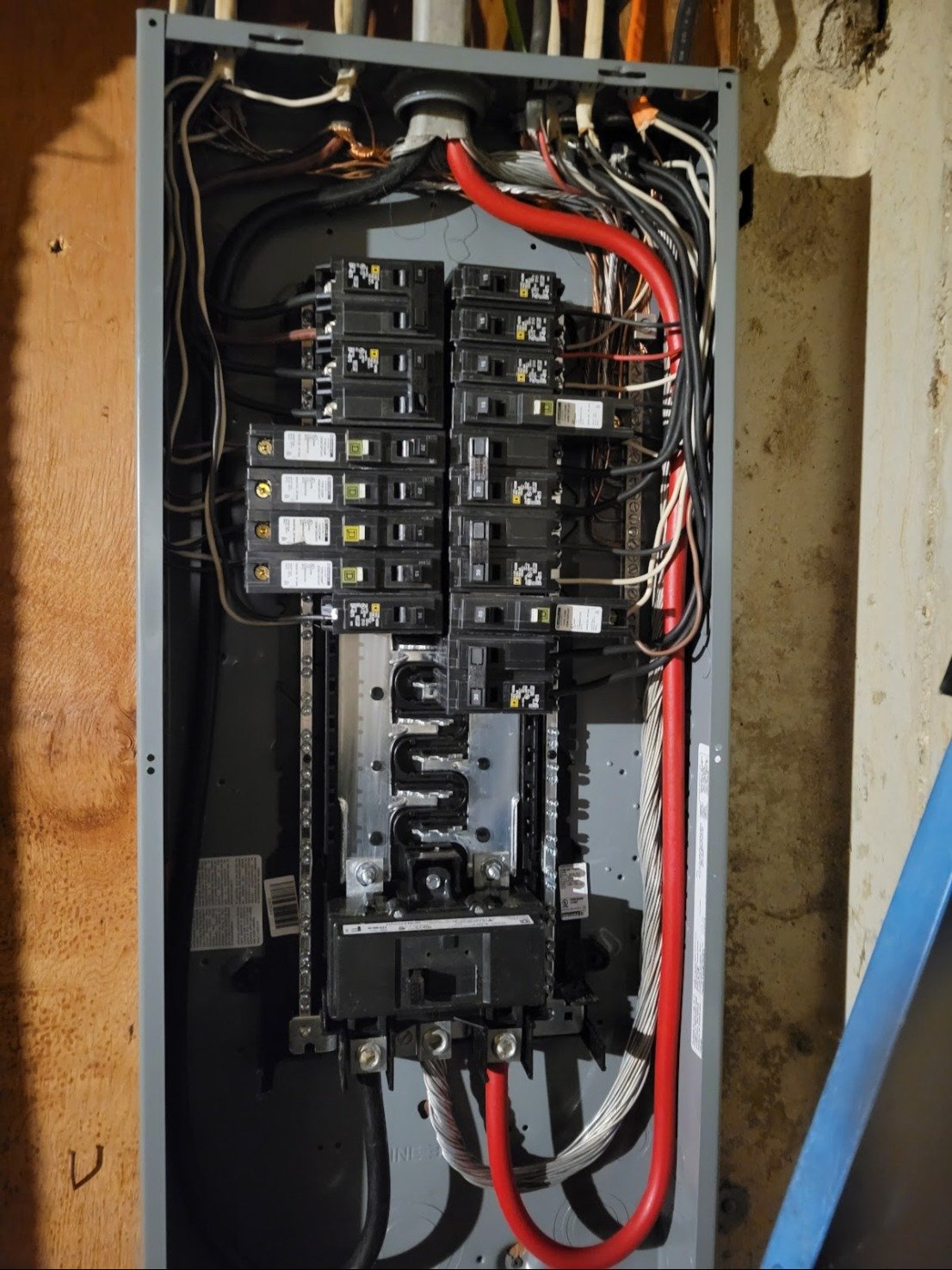
Some calls do not wait for paperwork. A condo board member in Washington described one in a review: a unit had a small fire in its electrical panel, and once the fire department had stabilized things, the board needed an electrician around 8:30 at night. The company’s emergency line picked up right away, and an electrician arrived about an hour and a half later. He traced the problem to a 30-amp breaker on a circuit wired for only 20 amps, got power back to the units temporarily and said the panel needed to be replaced.
The crew behind calls like that runs anywhere from 10 to 26 people, Schmidt says, depending on the project. He holds them to the same standard he keeps himself. “I make sure I show up on time,” he says. “I expect everyone else most times early.” The uniform is part of the same idea. If the owner is dressed like the crew and on site before the start time, nobody has to wonder what the rule is.
The company also describes an apprentice program that trains new electricians in the DC area, which brings him back to why he started. The opportunities he talks about are jobs, and a growing crew means more of them. When a project calls for more hands than he has, he says, he can bring in people from around the country. That reach did not come from a single hire. “Growing is just now, at this point, about relationships,” he says.
He hopes to put more people to work. “Hopefully some more employees, maybe 10 trucks,” he says. “I should be about 50 guys in the next five years.” He lets the number run a little further: “If I can get 500, I do 500.” Then he reins it in. “It just takes time. One baby step at a time.” He talks about growth as something learned along the way: taking his time, being punctual and staying at it.
With customers, he keeps it plain. “I’m just personable,” he says. “I’m sincere.” He calls himself a down-to-earth guy, and he does not put himself above the people who hire him. “I don’t think I’m above anyone, and I really take care of my customers.” Without them, he says, there would be no him.
What he wants them to remember is the tech who shows up in that uniform, ready to work and easy to deal with. He puts it in his own words: “Good service, a smile on the face of the tech.” And when the job is done, he wants the customer smiling too.