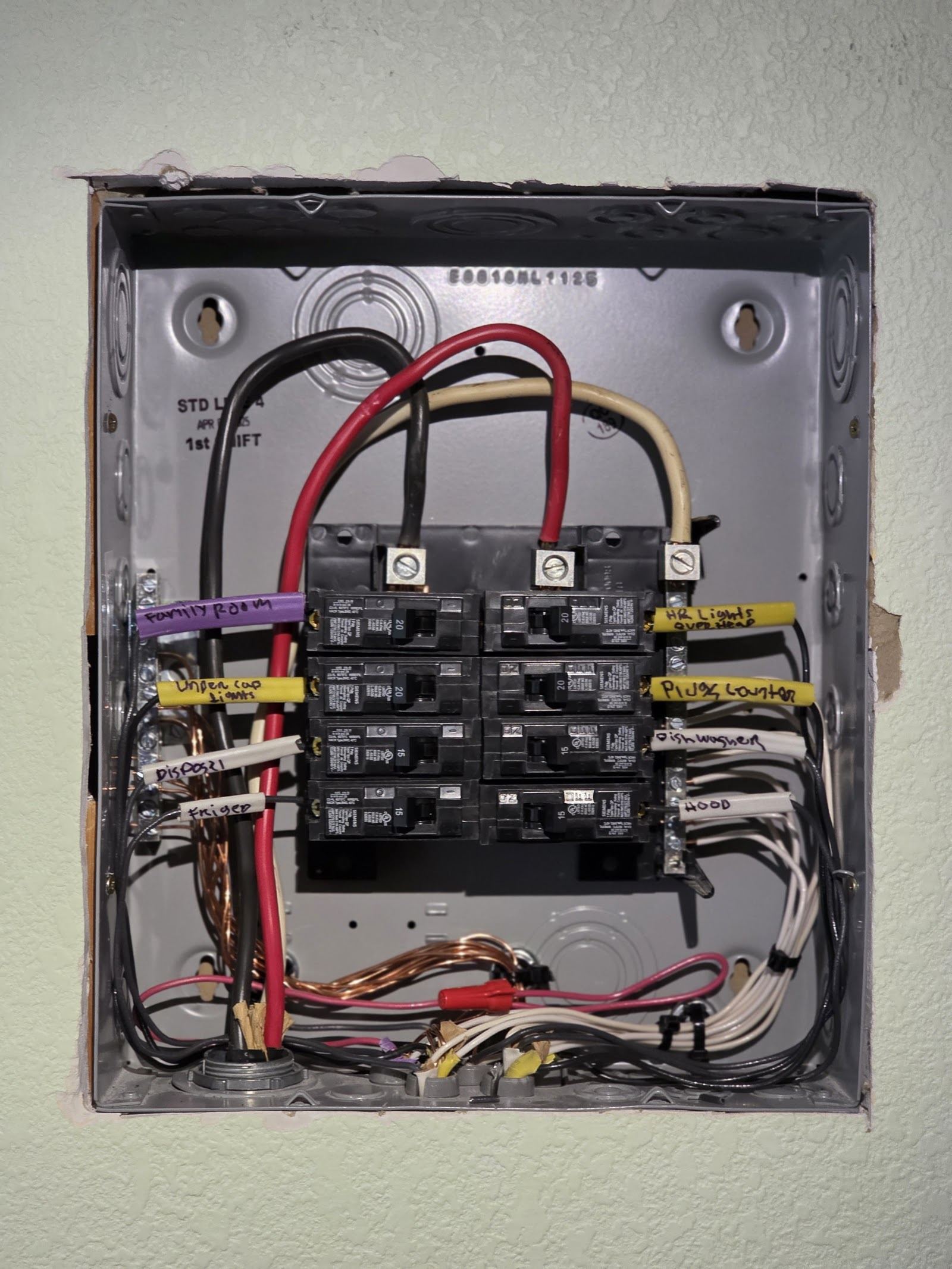
“We have to be right,” says Luis Ruiz. “Because if I tell you the craftsmanship on this is lifetime guaranteed and it fails the next day, we’re going to be coming back.”
Ruiz co-owns San Fran Electric with his wife, Lizette, who holds the majority share. The company offers a lifetime warranty on its workmanship. He backs it, he says, because “that’s how confident I am in my abilities and the abilities of our guys in the field.”
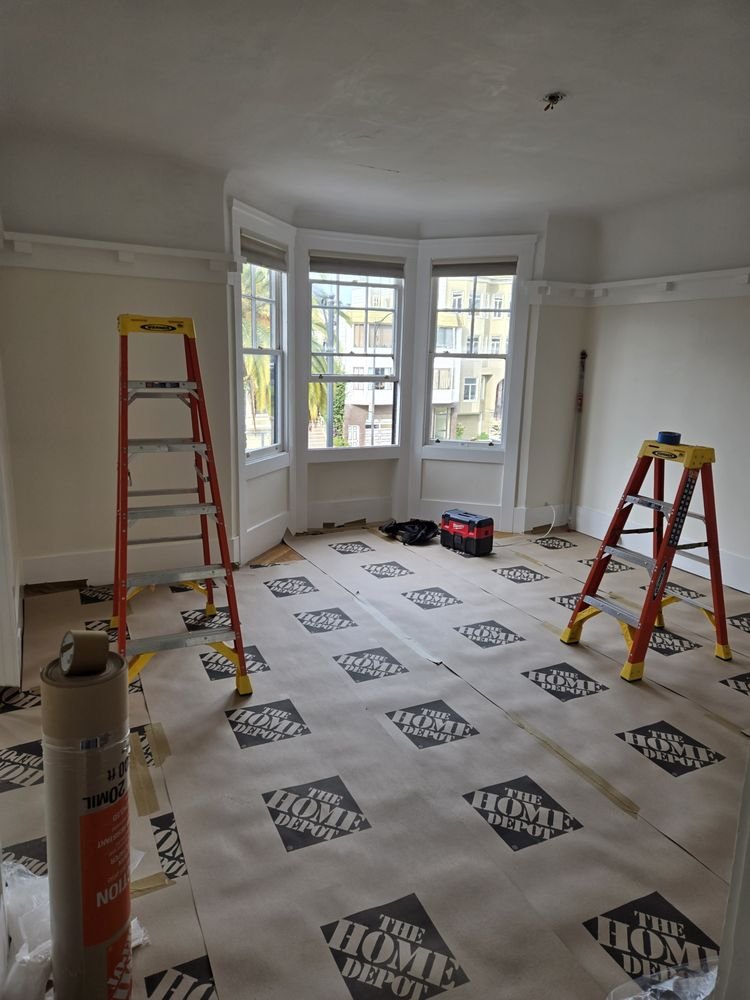
That confidence rests on who does the work. His electricians go through formal training and the curriculum California sets for anyone who wants to be a licensed electrician, which is why, he says, “we know that any of our installations are going to be 100% code compliant.” The company does not take someone off the street and call him an electrician for the day. It trains him, and it pays. Some go through a local community college. Others go through programs certified at the state and federal level. “We’re going to pay for the whole education for our guys if they’re good guys,” he says.
Ruiz came up through the same kind of schooling. Before he spent 15 years as an electrician, he went through a formal five-year apprenticeship that put him on everything from wastewater plants to buildings, including a job at San Jose State University for the company he worked for then. He saw the trade big and small. Eventually he was a foreman, running work for a company, and he got tired of doing it for someone else. San Fran Electric started in 2023.
He built the crew from people he trusted. The first hire was an electrician Ruiz had worked with at another company. Ruiz laid out the principles and the culture he wanted and asked what it would take to bring him over. That electrician then trained the next hire, an apprentice, to the standard the two of them had talked through. In construction, Ruiz says, “the good guys are working and the bad guys are sitting at home.” He went after one who was working.
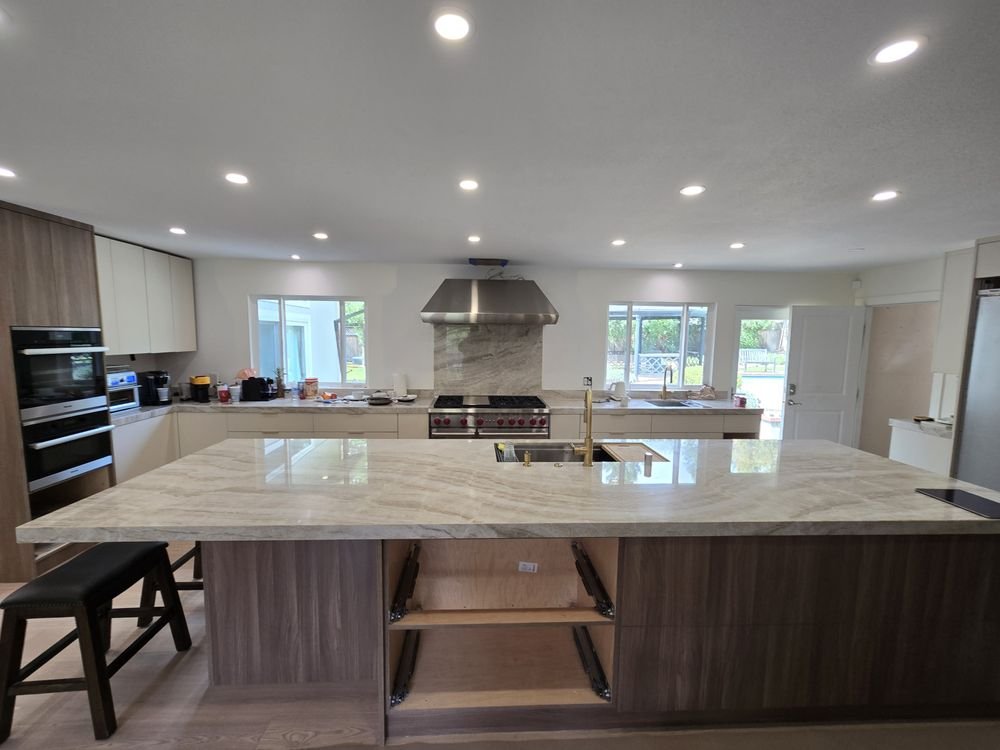
The pride behind the warranty goes back to his years on other people’s job sites. Someone would look at a finished installation and ask who did it. Luis did. Who does Luis work for? Such-and-such electrical contractor. Now the answer is shorter. “Well, now Luis from San Fran Electric installed that,” he says. “We’re standing behind our product.”
About 80 percent of the company’s work is in San Francisco, and most of it is in homes. A lot of the calls are for rewiring, including replacing knob-and-tube wiring. Houses in the city built between about 1880 and 1955 have older wiring systems, and Ruiz says insurers are pushing owners to replace them, sometimes refusing to cover a newly purchased house until the job is done. One homeowner whose insurer required the old wiring and a fuse panel to go credited Lizette with handling the back-and-forth with PG&E and the city. She runs the administrative side, from taxes to payroll, so Ruiz can stay in the field.
The commercial work is smaller and stranger. One call came from a warehouse where a company was building a robot meant to take over a dangerous job, and it needed power run to a crane that would hold the machine during testing. Another came from a food-delivery company testing drones. More often it is an office moving in or a commercial kitchen adding equipment and needing new circuits. At homes it is an outlet, a light, an EV charger. The company usually works within about 30 miles of its San Francisco base.
None of it, Ruiz says, comes from a template. A rewire can take a week and a half to two weeks per house. One condominium took the crew a full month because of the way the building was put together. San Francisco has its own added rules, and so does nearly every city in the Bay Area. Rewire apartments in a building over a certain height, he says, and the code calls for a different type of wire. “It’s not just your average wire that you buy at Home Depot.”
He thinks of each job as a clean canvas. “We can’t approach every single home the same way we just approached the home we did the week before,” he says.