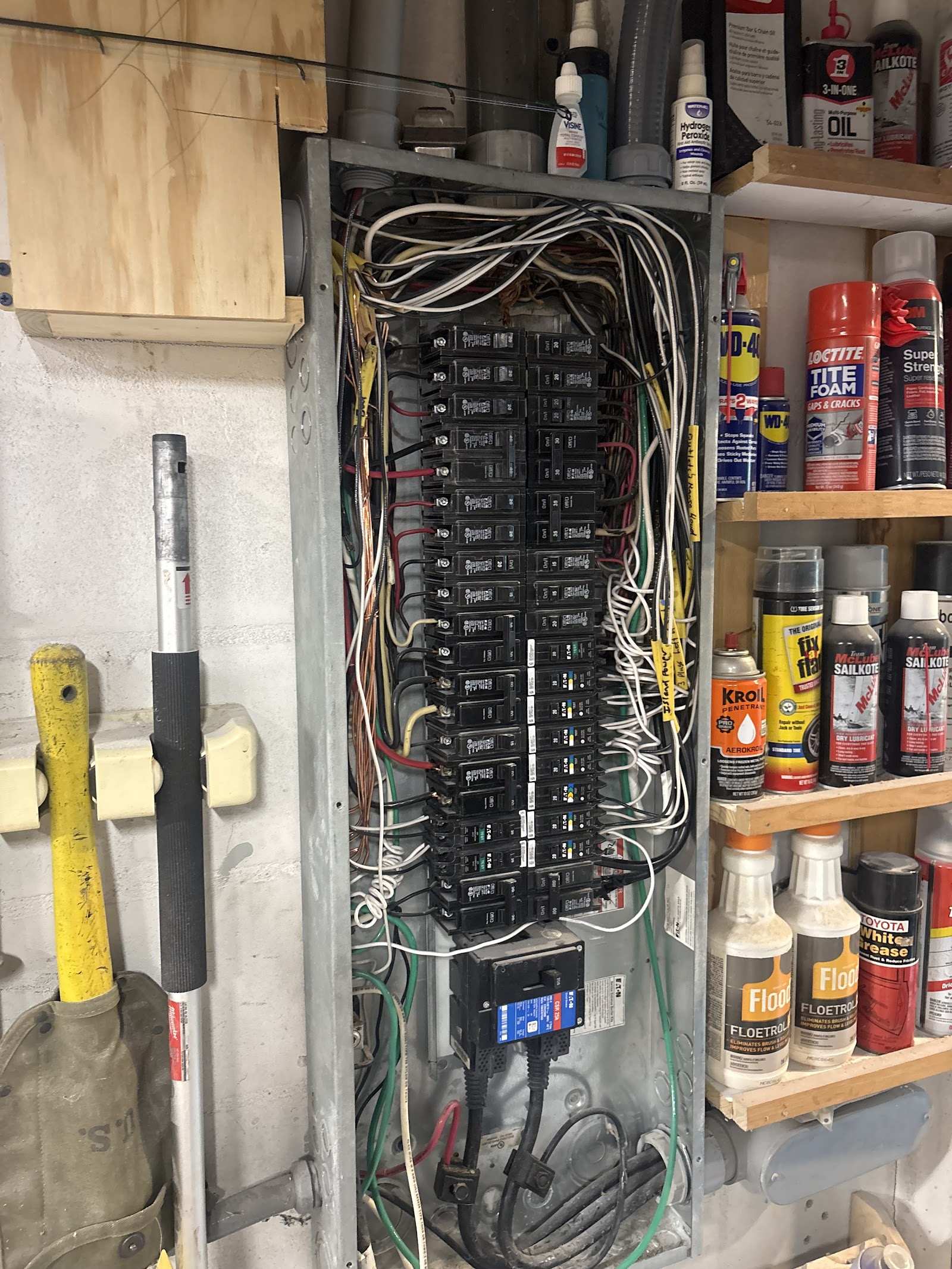
“I’m not coming from Hillsborough or Polk or Orlando in order to do work in Saint Pete,” says Mark Schley, who owns Saltside Electric.
Schley keeps all of his customers in Pinellas County, and he says that is what lets him pick up when a job can’t wait. “I can be there for them late at night, early in the morning,” he says. The other way, as he describes it, is to dispatch a worker from another county and wait out a two-hour drive. “By staying local I’m more available as someone who’s reliable.”
One customer’s account bears that out. Schley answered his phone at 6:30 on a weekend morning and was at the house by 10.
Schley has worked as an electrician in Pinellas since 1992. He apprenticed in his father’s company, stayed on as a supervisor and earned his master’s license before forming Saltside in 2017. His father ran an electrical company, he says, and so did his grandfather. Saltside calls itself a fourth-generation family business, names Schley as owner, master electrician and on-site lead technician, and says it prefers the southern end of the county, where it can reach people quickly.
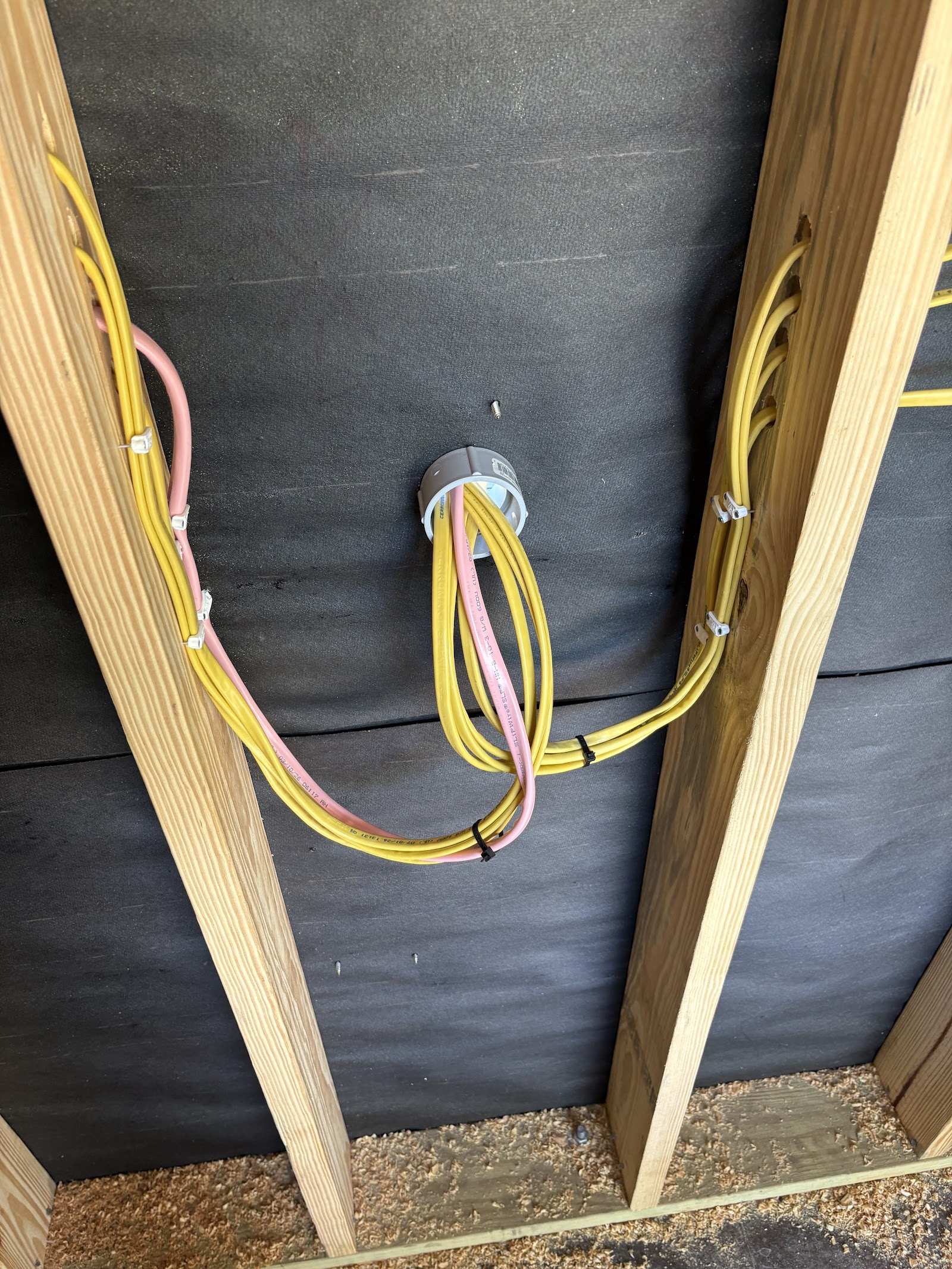
About 80 percent of the work is residential. The rest is commercial, with some light industrial. If he could pick one thing for the company to be known for, he says, it would be residential service work in Pinellas County. The specialties the company lists lean toward the water: dock and deck wiring and hot tub power, along with condo panel replacements and the removal of knob-and-tube, aluminum and cloth-wrapped wiring.
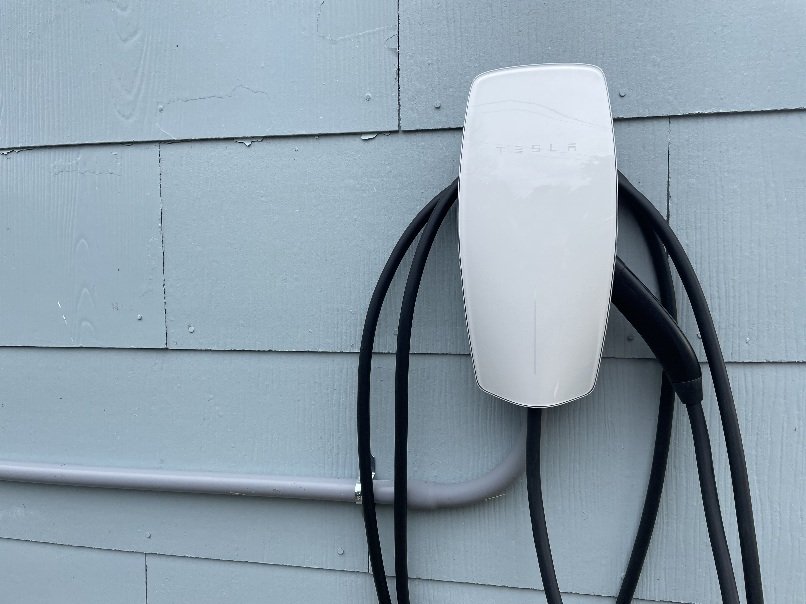
He talks about the trade in terms of risk. “Electrical work is integrated with fire safety, so to make sure people are safe,” he says. He credits the standard to his upbringing as a third-generation electrician and to the area he grew up in. “I just want to do what’s best for my community,” he says. The years help too. “I’ve been doing this since 1992,” he says, and that experience lets him troubleshoot faster and finish more efficiently.
Saltside is an LLC, and his wife is his partner in it, which makes the company 50 percent women-owned. Schley says that status has led to a few federal jobs, though it usually isn’t why people hire him. “It’s something that allows more opportunities.”
The working crew is Schley and his son, who grew up around his father’s way of doing things. On a project, Schley takes the lead.
“It’s me that’s doing it,” he says. “He’s kind of assistant, but I could leave him on, he could do the entire job himself.”