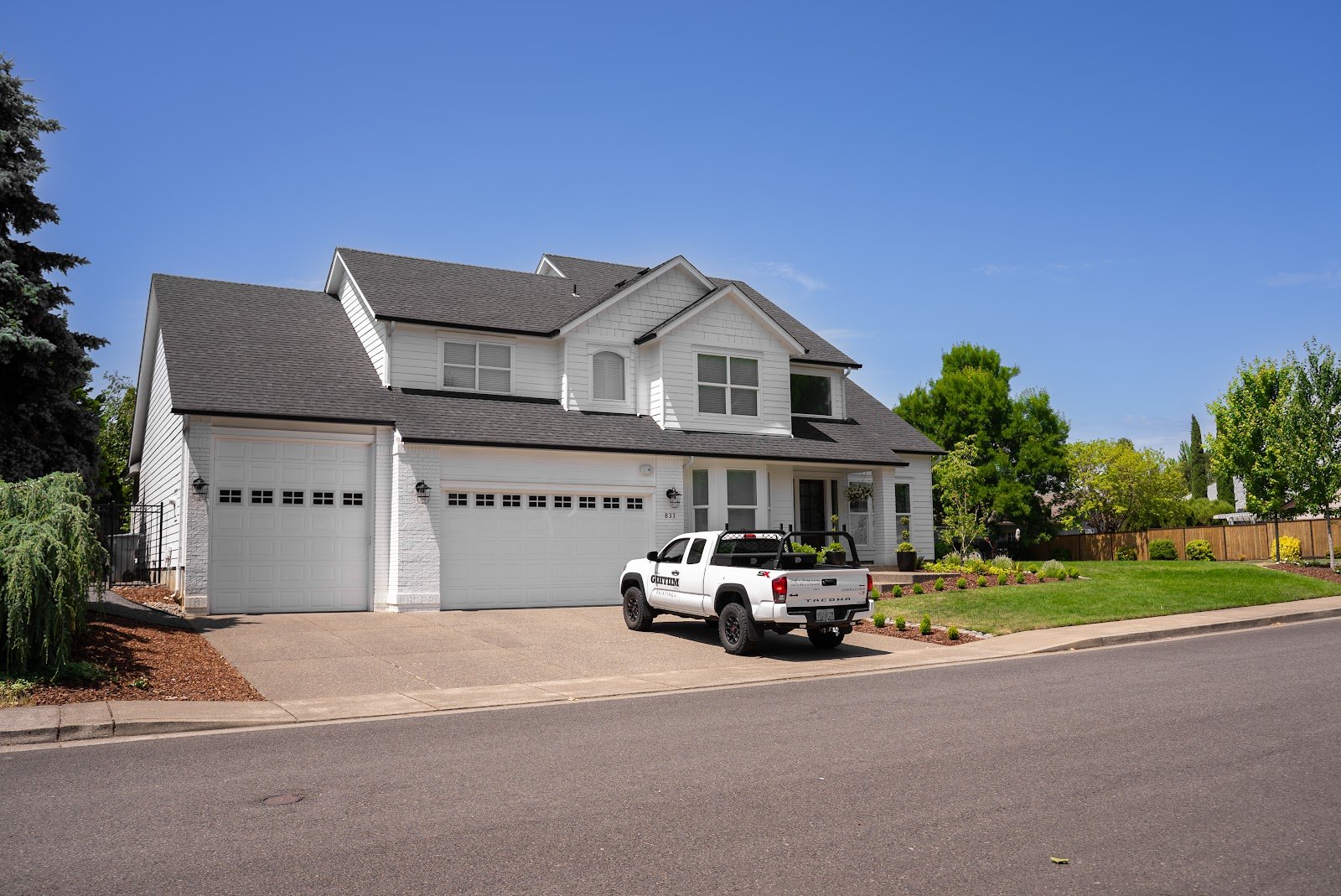
“I kind of have rules and procedures that work against me, in a sense, to get to that finish line,” says Armando, who owns GIHTIIM Painting Co. in Keizer, Oregon.
The main rule is about payment. A customer pays half to get on the schedule. The other half waits until the job is done and the two of them have walked through it together. “I don’t get the last check till we do a final walk-through,” Armando says. He thinks homeowners like the arrangement. Partway through a repaint, he notes, people look at a wall and wonder what is going on, and the answer is that the work is still in process. The walk-through is where it stops being in process.
He started the company around 2020 and for a while ran it alone. “I was doing whole projects by myself,” he says. A single house could take him 100 hours or more. A misunderstanding with a client in those first years changed how he talks to customers. “I just made it my mission to be overly communicative, almost to the point of annoying,” he says, “just letting people know everything.” Painting, he points out, depends on the right conditions and the right materials, and there is a lot of it a homeowner never sees.
He works now with a small crew, and he steers toward the long jobs. “I’d rather do a 10-day job rather than a four-hour job,” he says. That means whole-house repaints, inside and out, along with refinishing. He calls himself “a real painter, not a handyman.”
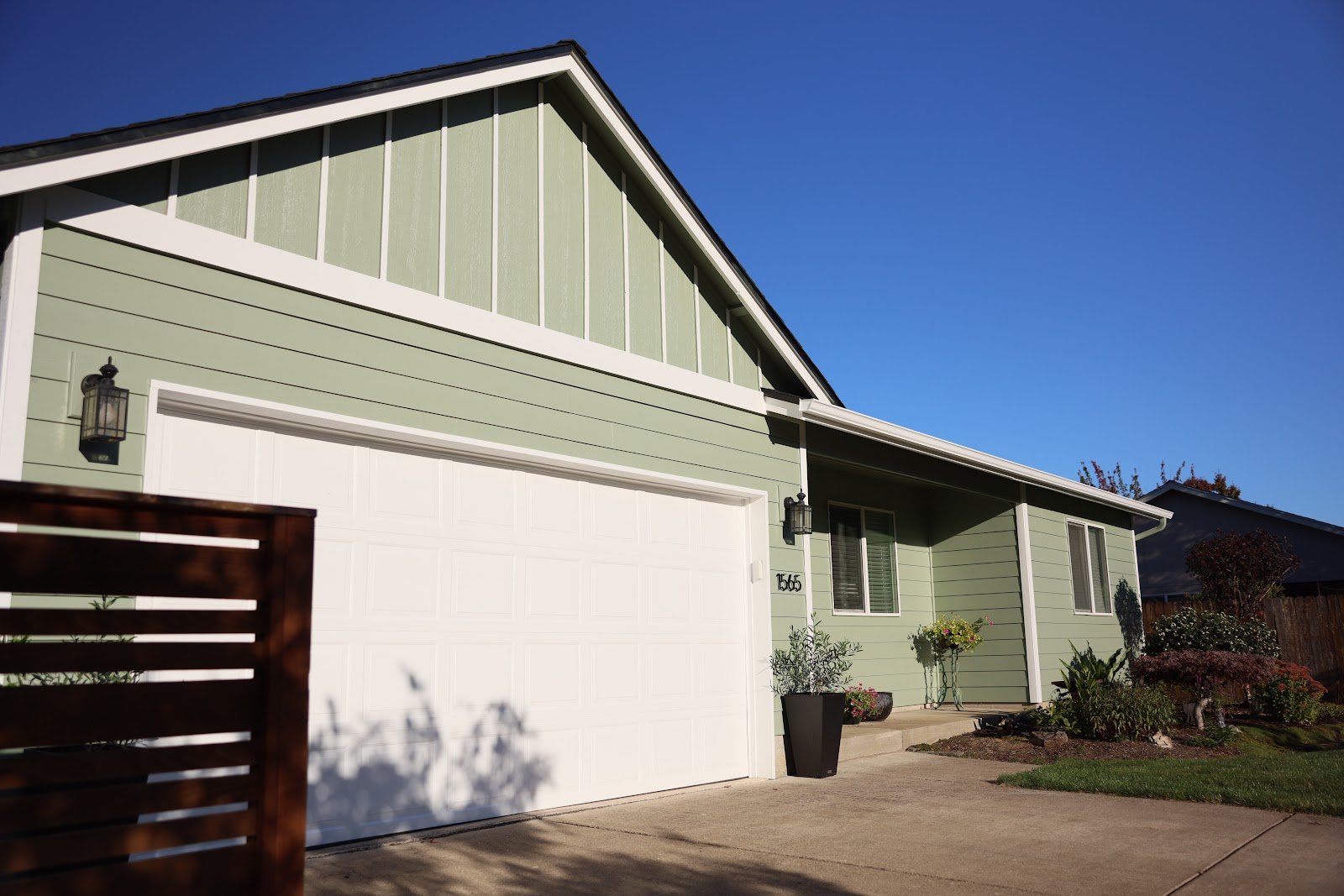
Much of what he means by the finish line is settled before a can of paint is opened. The company lays out its exterior steps in its own materials: pressure washing, scraping and sanding, priming bare wood, caulking every window and door, then back-brushing as well as rolling. Houses built before 1979 get different handling. Pressure washing can blast lead paint chips across a yard and into the soil, so on those homes the crew hand-washes and wipes down surfaces instead.
The owner of a 1942 cedar-shake house later described sitting in a home office while about six people worked on the exterior, and recalled Armando saying the crew went through something like 28 cans of caulk.
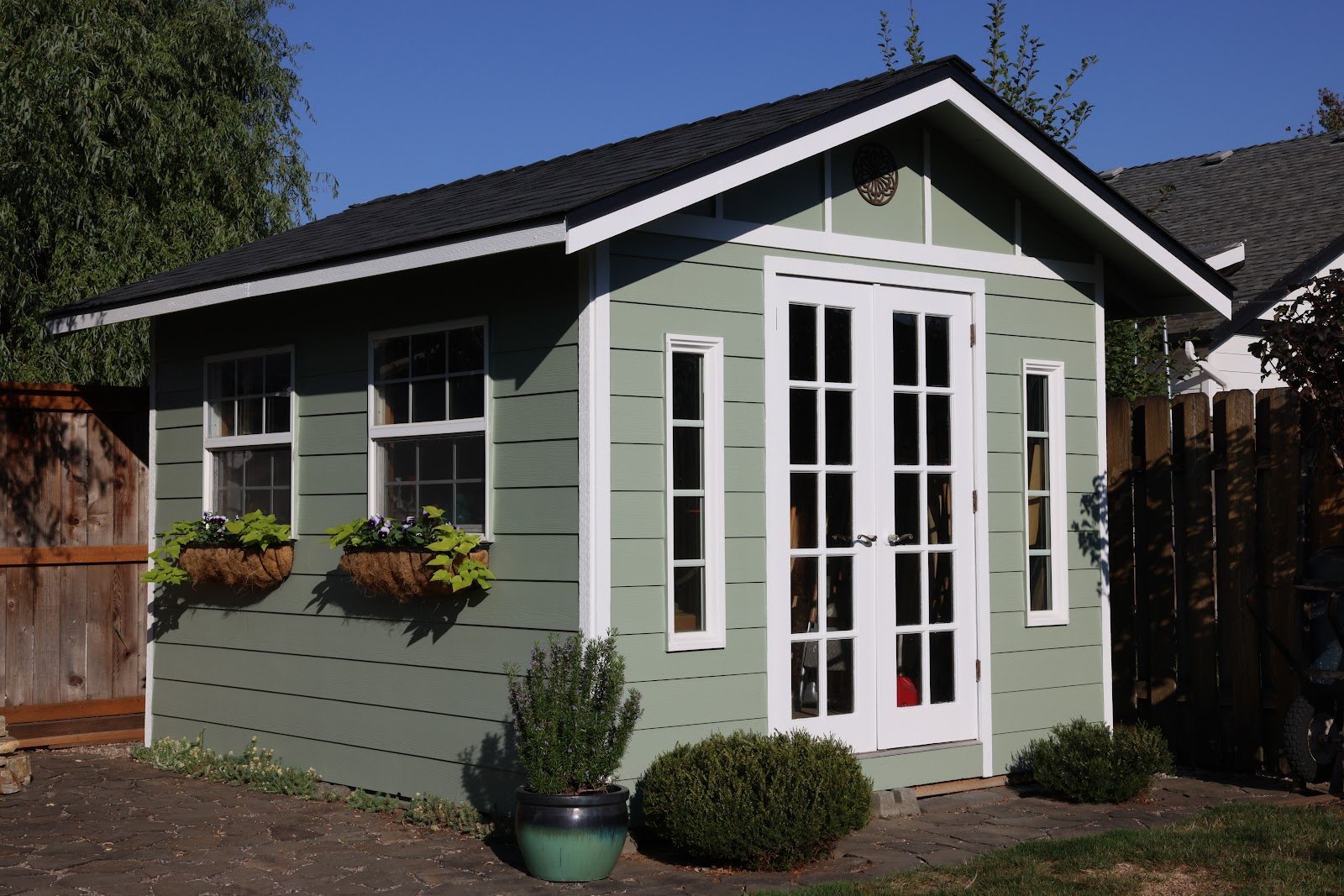
Armando says the climate is the reason for all of it. “The Oregon weather is hard on them, with the rain, and then the sun will scorch, like a magnifying glass on walls,” he says. He would rather sell warrantied work with premium materials, because he has confidence in them. Every job carries the company’s two-year workmanship warranty on completed work. Some customers want a paint job that lasts 10 years, and he calls that quite a promise: it means being around for the decade after to keep the house looking good.
What he wants most from a homeowner is trust. “I’m there with their wives, with their kids, with the things that people work really hard for,” he says. He has no sales pitch to offer. He treats customers like friends and looks at every project like an assignment.
Faith runs through how the company describes itself, and Armando puts it first. He wants to grow the business and, he says, “share the gospel with the world.” He draws the line between knowing and doing in his own trade’s terms. “I can apply paint all day,” he says, “but when it comes to scripture, that’s really my number one MO.”
He has an office on the Willamette River, and he wants it to serve the crew, so the day is more than loading trucks outside and driving to the next job. He pictures “a space for them to come in, use the bathroom, take a break, change, shower.” Running a place like that is unfamiliar ground. “It’s all new to me,” he says.
On a job, big projects get broken into small tasks, and the crew works through them together until the whole thing comes together. He sees his own life the same way, and he has not settled on where the company goes from here.
“If my life was a painting job,” Armando says, “I feel like I’m still in the beginning stages, where I’m just prepping.”