
Carmen was writing a safety data sheet for a pesticide when it crossed her mind that she could make a difference in the industry. She held two bachelor’s degrees, one in chemistry and one in toxicology, and her job was documenting the hazards of chemicals, pharmaceuticals and pesticides. The pesticide work was the part she took to. “I fell in love,” she says.
She founded Environmina Pest Control in Middlesex, New Jersey, in 2015. It is a family- and woman-owned company, licensed by the New Jersey Department of Environmental Protection, and she is a state-certified pest control technician through the same agency. She does not dress up what the work involves. “I’m not claiming that pesticide application is safe, no,” she says. “It’s not, obviously, because we are using poison, but we are trying to use the least hazardous material as much as we can.” She says the way a product is applied depends on the type of pest and how bad the infestation is.
Before a treatment, she says, she runs a risk assessment on the chemicals she could use and picks the safest ones she can. Her training is why she thinks she can do that well. “We understand the chemistry and the toxicological part,” she says, “so we try to gear toward minimal risk chemicals as much as we can and how to combine them to get the best results.”
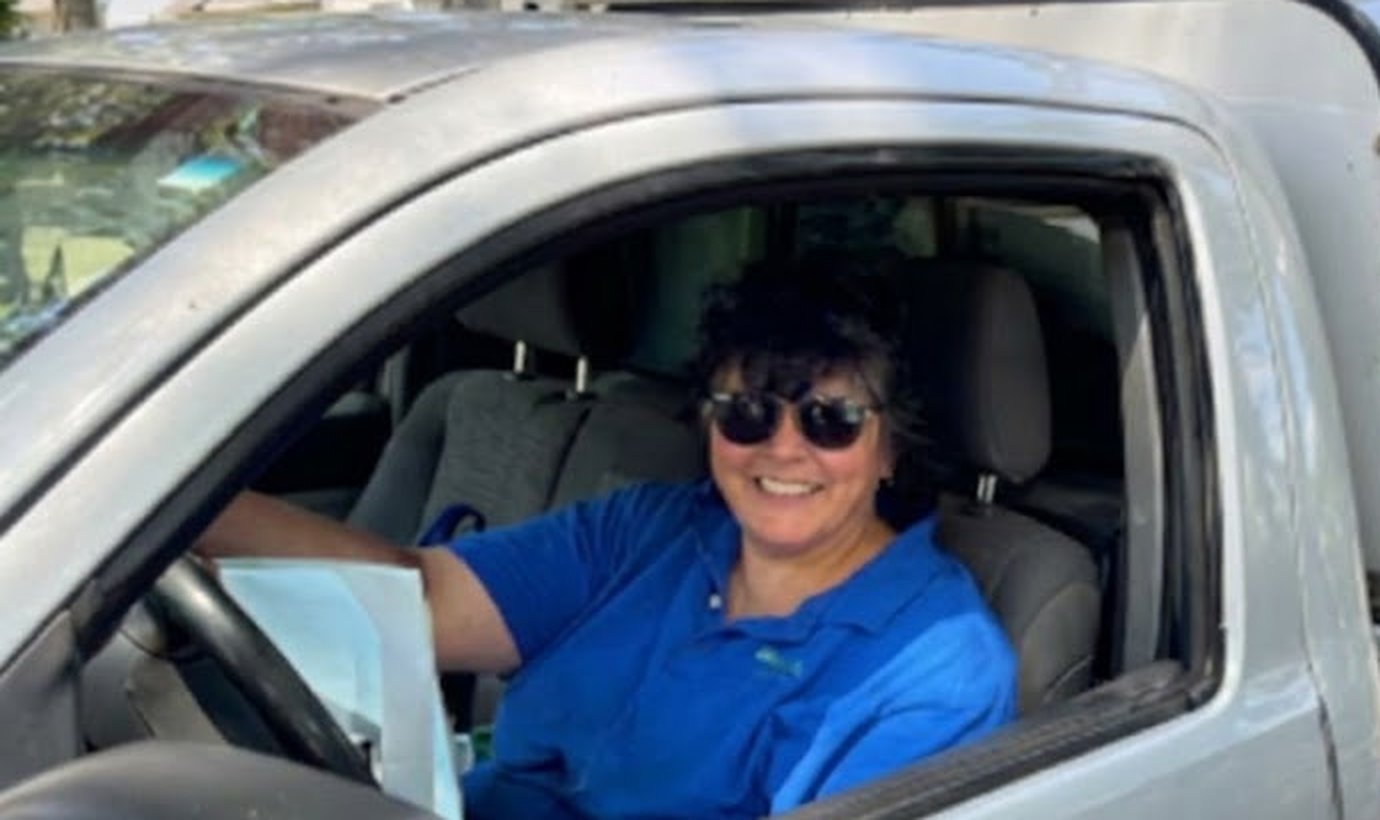
The company lays out the order of a job on its site: a free inspection, then a treatment plan Carmen writes for the particular pest, property and household, then follow-up visits. For bed bugs, the options listed include steam and a fungal-spore treatment alongside conventional insecticides.
The paperwork carries traces of her old career. One homeowner who called her about a wasp nest described a job that was done in about an hour, after which she sent the paperwork electronically, including a list of what she had applied. For commercial clients, the company says it keeps safety data sheets and integrated pest management logs ready for health inspectors.
Those commercial clients are a steady part of the business, though she says residential work gets more of her attention. She treats warehouses, nursing homes, stores, pizzerias and restaurants. Across all of it, she says, the aim is to use “green and sound” integrated pest management methods.
She still works the jobs herself. “I get asked all the time why are you always in the field,” she says. “It’s because I have to lead by example.” New hires, she says, are trained to her standard first. “It’s important to grow the right way so we don’t let the quality of our work slip away,” she says. “Anytime we feel like the quality of our work is slipping, we stop, take a deep breath and then continue.”
She has been at it long enough that the first household she ever treated is still on her list. “I still have the first customer that I did pest control for years ago,” she says.