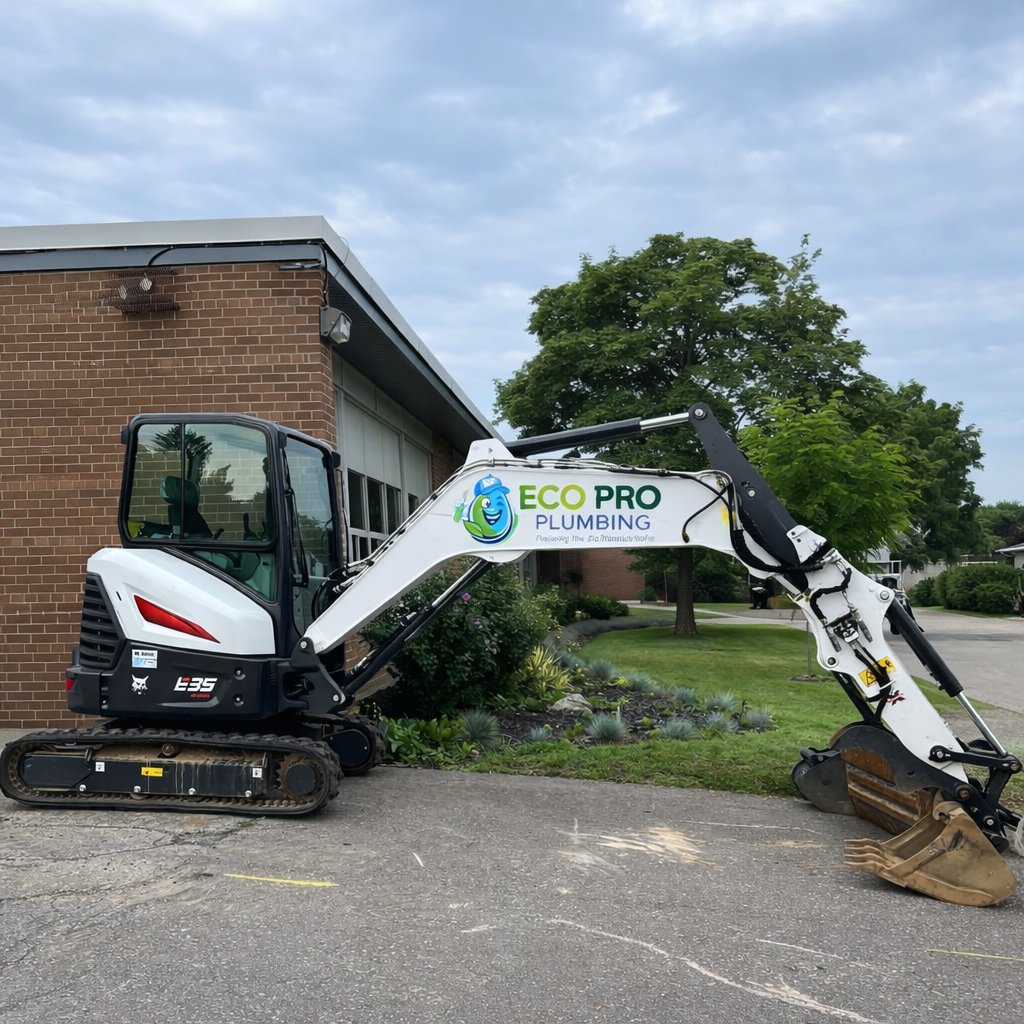
Growing up, Ali watched people call his father upset. His father was a plumber, and the people on the other end of the line were frantic over what Ali calls “catastrophic problems.” Then his father would show up and handle it. “By the time he was done,” Ali says, “they were happy tears of joy hugging him.”
That is why Ali went into plumbing. He did not choose the trade for the pay, and he did not pick it because he saw a good business in it. He says he chose it because “it was the ultimate way I could see how I could help people.” He has worked as a plumber for about 30 years, and the question he says he has carried since the first day has not changed: “How can I help this person that’s in a situation?”
His father supplied a second rule, which Ali puts under everything else. “As a man, all you have is your word,” he says. “So nothing else really matters.” At Eco Pro Plumbing, the Clearwater company he now runs, that rule comes down to ownership of the job. Once a customer calls, he says, “You’re in with us, we own it.”
He was born and raised in New York City and later moved to Canada, where he started the company. By his account he had been made a manager at every company he worked for, and he kept trying to fix how they ran until he decided he could “just build my own correctly.” He built the Canadian operation up and brought in his brother, also a plumber. Then he came to Florida to start a second location, the one in Clearwater. “We’ve got quite a story,” he says. “I’m going to write a book one of these good days.”
The Canadian years also taught him what a crew can carry. Through the pandemic, he says, the jobs kept coming, and he hired a number of people who needed work. “We turned a bad time in history into a really, really beautiful thing,” he says, and the business grew through it.
He does not believe good technicians are out there waiting to be found. “You can make them,” he says. “That’s why we invest so much time into it.” He and his brother lead by example. Ali calls his brother “a really, really good sharp kid,” and says he has learned a lot.
The making happens every morning. Each tech goes through a 10-minute training program before the day starts. “The guys have to do this training,” Ali says. It is billed as sales training, but he says it reaches well past selling, into keeping your word and being transparent and honest. “It teaches you how to be a decent human being, straight up,” he says.
He says the program changed how the crew acts. “The guys started operating like owners,” he says. He counts that as the sign of a company working properly, when the technicians behave like owners. “That’s called responsibility.” He holds himself to the same habit of learning. “I literally study, read a lot of books,” he says. “I constantly try to keep myself updated and learning.”
The work itself starts with a question about cause. Ali wants a technician to find out why something went wrong, not just swap the part that broke. “I’m more interested in the source of the problem,” he says. “Why did this happen? And that’s what we train our guys to look for.” He puts the aim bluntly: “We want to be the solution. We don’t want to be the band-aid.”
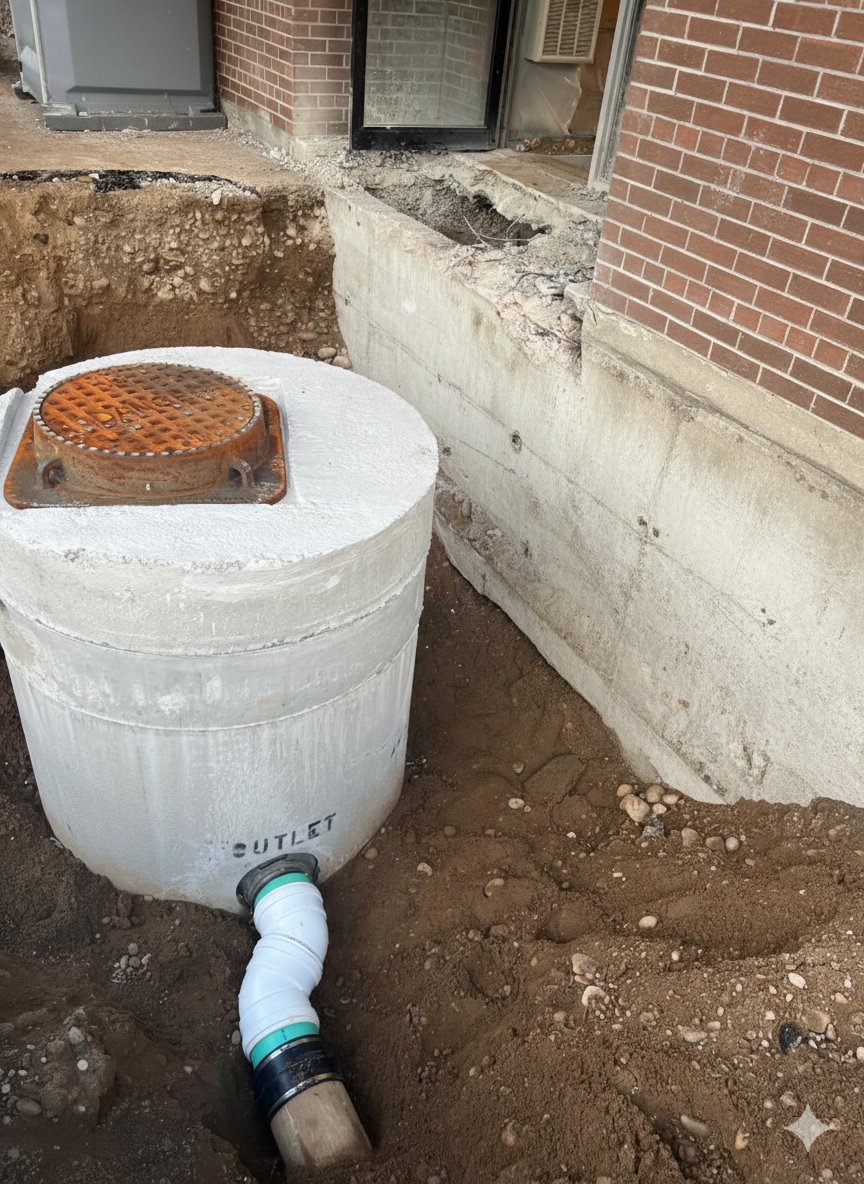
That habit was formed on big systems. The company works on homes and on high-rise buildings, meaning condos and rental buildings, and Ali traces that specialty to where he began. “We originally started from buildings in New York City, so that’s kind of our forte,” he says. Personally, he likes the commercial side best. “It’s challenging. It’s a niche. You have to have a high aptitude. You have to know what you’re doing.”
In a house, the same standard shows in how a visit looks. Ali says the trucks are new and well equipped, and the technicians arrive in uniforms and shoe covers, carrying iPads. The company’s service area runs through the Clearwater area, from Dunedin and Palm Harbor down to Largo. It shows in the finished pipework, too. A homeowner who had Ali install a water softener came out to find copper piping aligned and mounted so evenly that, she said afterward, it looked like art.
He says the point reaches past the customers. “I’m not just helping the customers. I’m helping my employees have better lives,” he says. He wants plumbers paid well and treated well, and he wants that to spread well beyond his own shop. He is working toward franchising the company, writing down its procedures so they can be repeated elsewhere. “We’re looking at it from a franchise perspective and building out all the SOPs,” he says.
All of it traces back to the house calls he watched growing up, and the rule he has given every technician is short. “When you go there,” Ali says, “you treat that house like it’s your mother’s house.”