Sometimes a roof Champion has installed gets solar panels added later, and then a leak shows up. Alonzo Esparza knows how those calls tend to go. The blame drifts toward the roofer. He goes out before anyone argues about it.
“I’ll still get out there first,” he says. His crew runs a water test to show where the water is getting in. If it points to the panels, the solar company comes out next.
Some of his roofers would rather skip that step, he says. They already think they know where the leak is coming from. His answer: “Let’s just go do the water test.” He wants the homeowner to see Champion show up, whoever turns out to be at fault.
Esparza puts that habit at the center of how he runs the company. Much of what he talks about happens after the roof is on. “I keep the same energy after we close the deal,” he says. When a homeowner calls with a warranty problem, he picks up and gets a crew on the schedule. He picks up for other callers too, including ones he has already turned down.
“If I pick up my phone for scammers and salespeople that just can’t take no for an answer,” he says, “you better believe I pick up my phone for my homeowners.”
Esparza started Champion in 2017, filing the paperwork with the state of Texas and setting it up as an LLC. The road there ran through several other jobs. Out of college he worked as a construction manager for a homebuilder, then moved to a multifamily construction company in Houston. Then he stepped away from the trade.
He went home to South Texas, leased land and built an RV park for oil field workers, with underground electric, plumbing, sewer and internet. In 2015 he went back to construction, this time for roofing only. He figured a roof comes down to about six major components, or about 12 line items with accessories. “I can handle that all day,” he says. He went to work for a roofing company and learned hail and wind claims.
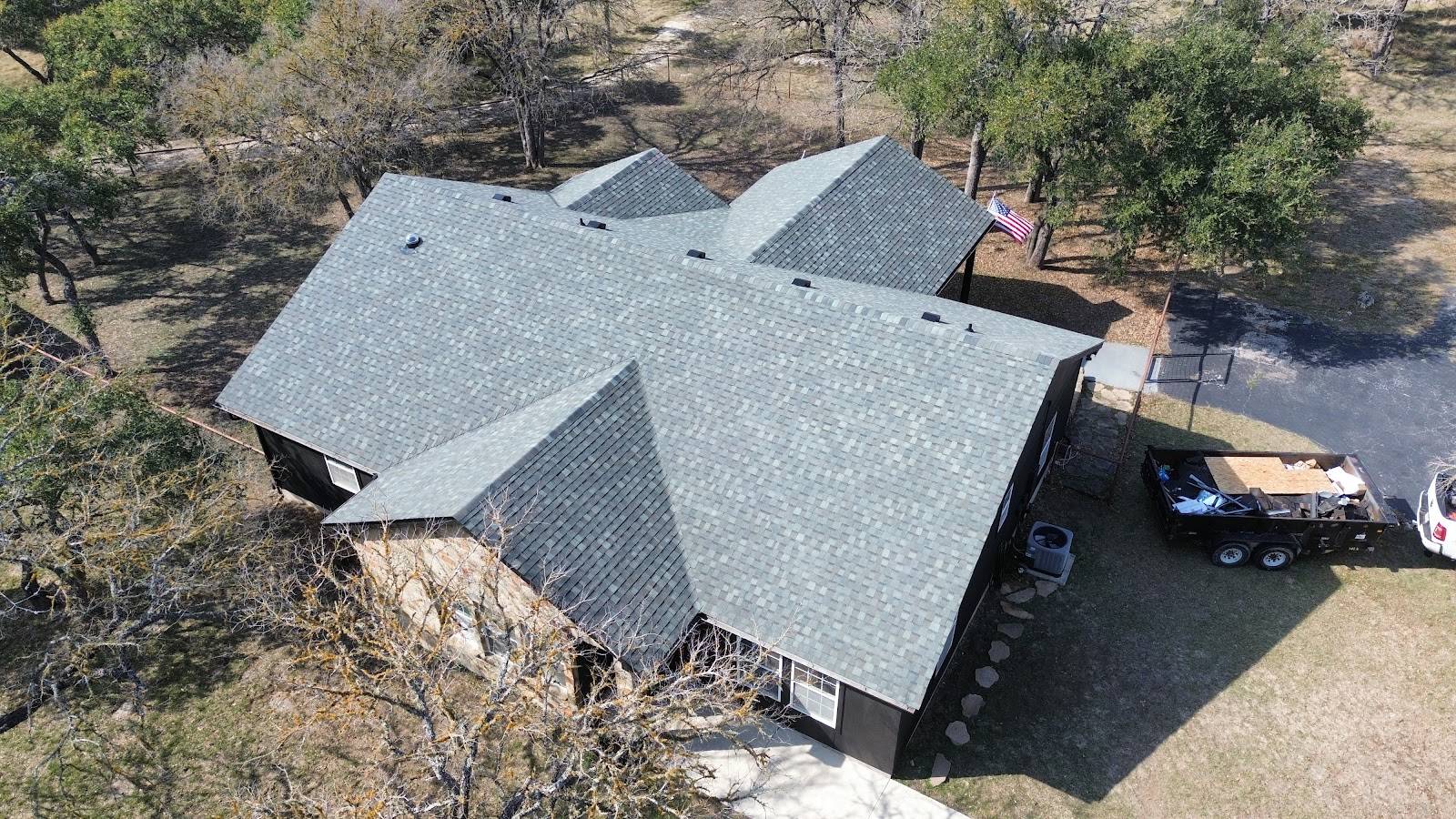
Today he is the sole owner. Sales staff go out and close deals, and about 20 subcontractors work for him. Three main installers have been with him since the beginning.
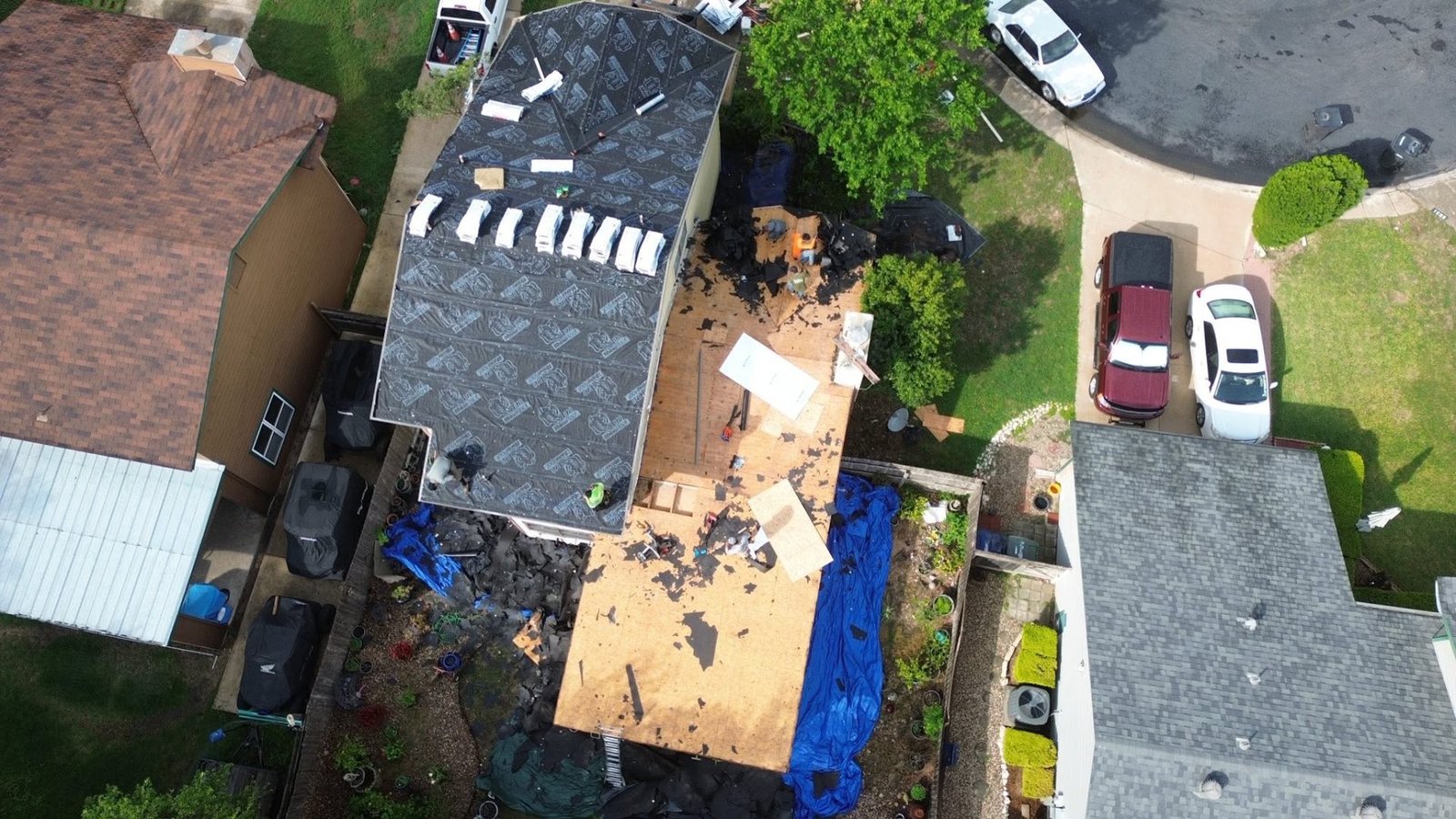
A typical roof takes about a day, depending on size, and the crew starts early. Cleanup is where Esparza gets particular. Tarps still go down. But when a homeowner keeps a yard in good shape, he says, the crew tries not to drop much roof debris on it. They find another spot, such as a rougher patch of yard out back, and haul the debris there. “We’ll have to double carry,” he says.