The carpet was brand new. Omar could see it as soon as he finished his inspection. It was early in his years as a carpet cleaner, long before he started Atlas Carpet Cleaning Pro. He was the lead on the job, with a helper beside him, at a house where a woman had booked a cleaning. There was nothing to clean.
“Ma’am, can I ask you a question, if you don’t mind?” he recalls saying. Steam on a carpet that new would only make it worse, he told her. She answered by offering to make them tea.
He accepted. Then he turned to his helper and told him to forget about the job. “I know what’s going on here,” he says.
The woman wanted someone to visit. She asked how long a cleaning would take if the carpet were dirty, and he told her about two hours. She asked whether they could spend those two hours with her. “Okay, we will spend these two hours here,” he remembers answering. They stayed.
Omar now runs Atlas out of Clifton, and that house is still how he explains the way he works. Some customers tell you what they need, he says. Others never say a word, and he learned in that living room that you can often tell anyway.
He has worked in cleaning since 2017. Born and raised in southeast Morocco, he started on carpets, moved on to duct and exhaust cleaning, and bought equipment piece by piece until his own van was ready to take jobs. He worked as a subcontractor before building Atlas under his own name.
The attention he learned in that first house starts before he books anything. “Sometimes I would like to know the story of the carpet before I book the job,” he says. He asks why the customer is calling. Is the carpet just dirty, or is someone in the house allergic or sick? Does anything call for biohazard cleaning? He asks about kids and pets, how old the carpet is, how often it gets cleaned, and whether anyone is living in the house or it sits empty. The answers shape the products he brings. “Make sure you use organic products as much as you can, try to avoid chemicals,” he says.
At the door, he does not start by asking where the carpet is. He talks first. “I try to know the customer,” he says. Often he has read part of the story from the curb. “I can see the house from outside. I know already what’s going on inside.” That same reading is why he wants Atlas to stay within reach of the people who call it. “I want to make it an affordable carpet cleaning business,” he says. “You don’t know what’s going on in their life. Just give a reasonable price.”
The work itself follows a plain order. He pre-vacuums, sprays the shampoo, gives it time to work, and then steams. He says a six-room house takes two hours at most. He gives free estimates on site and can sometimes start the same day, and he has driven as far as New Brunswick for a job.
Some customers wonder why a carpet cleaner wants to know so much, so he explains. Carpet is fixed to the floor, so the materials in it and under it matter, and older styles need care. The water matters most. “You might flood someone’s house,” he says, and moisture left behind can surface later as mold. When customers hear that, he says, they understand and tell him to go ahead.
He is just as plain about what a carpet can take. “There is carpet that cannot be saved anymore,” he says, and with that kind of carpet he would rather “just tell the truth to people.” When a basement smells of mildew, he tells the homeowner to have an air sample test done to check for mold. That eye for water and what it leaves behind is where he wants Atlas to grow, adding services such as water damage restoration, “when I know that I can handle that,” he says.
He stays with a job after the machine is off. If a customer calls about a stain, he will redo the cleaning for free, and he will come back to check that the carpet has dried. “Sometimes I go and check the carpet and make sure everything is dry.” A customer who asked him to give a single stain another try later posted that he went over it five more times. When the phone rings, Omar answers it himself.
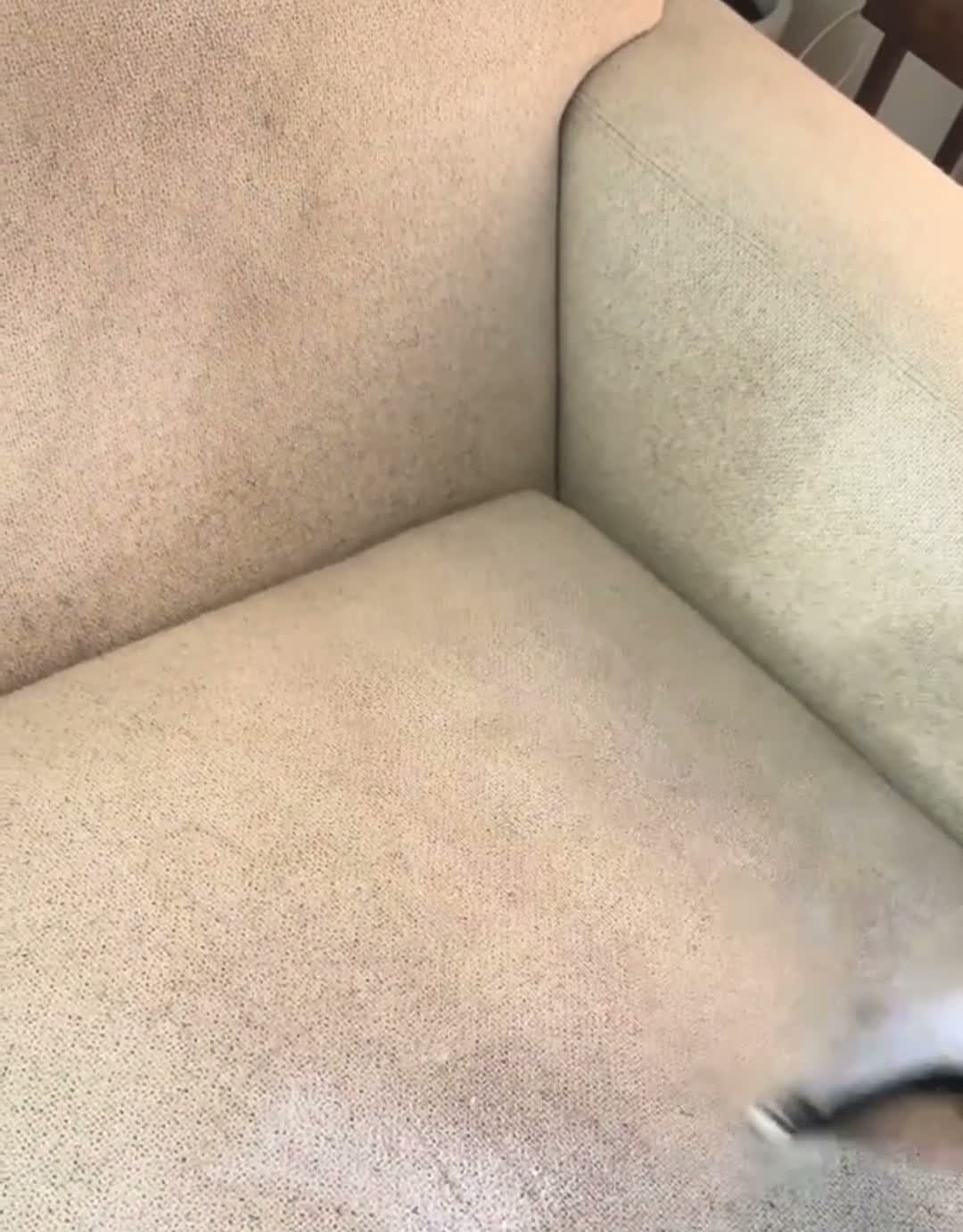
The two hours in that first house still set his pace. When he senses a customer wants company, he lets the work run long, even if it scrambles the rest of his day. He says he can tell the difference between the way a customer opens the door and the way they say goodbye. “This couch is going to take me an hour,” he says. “I’m going to make it one hour and a half, just to be here.”